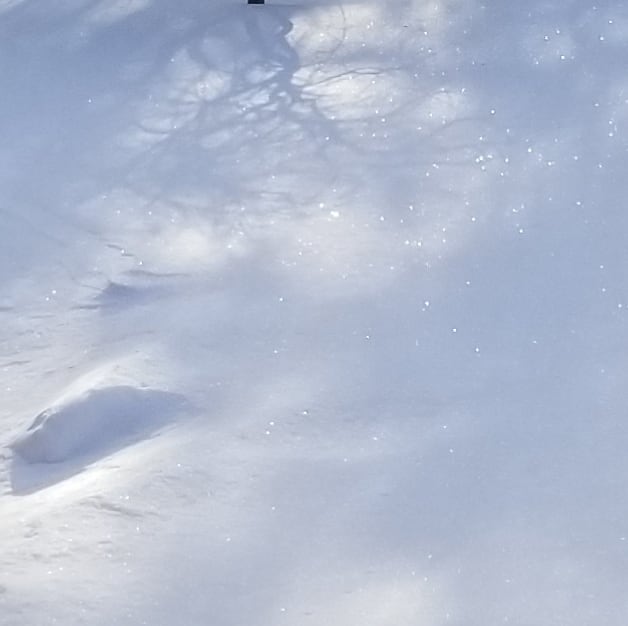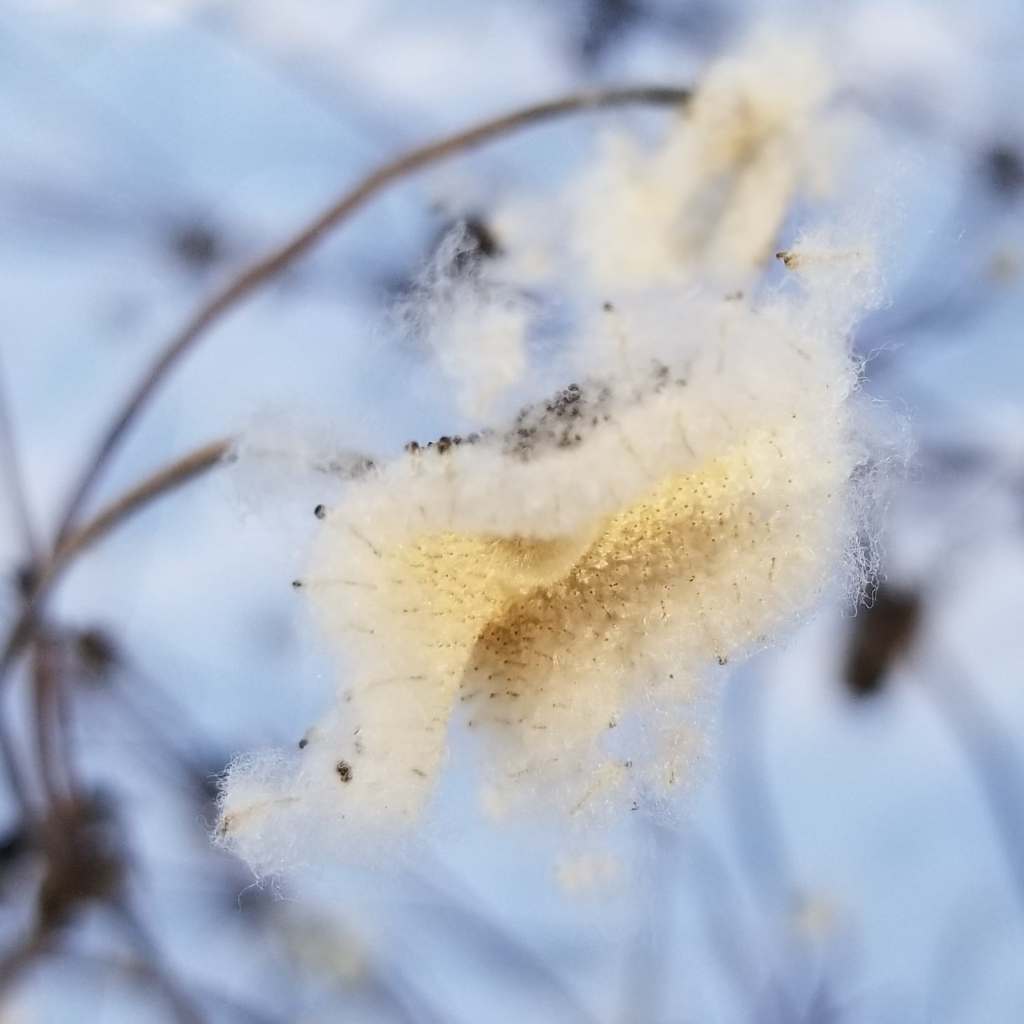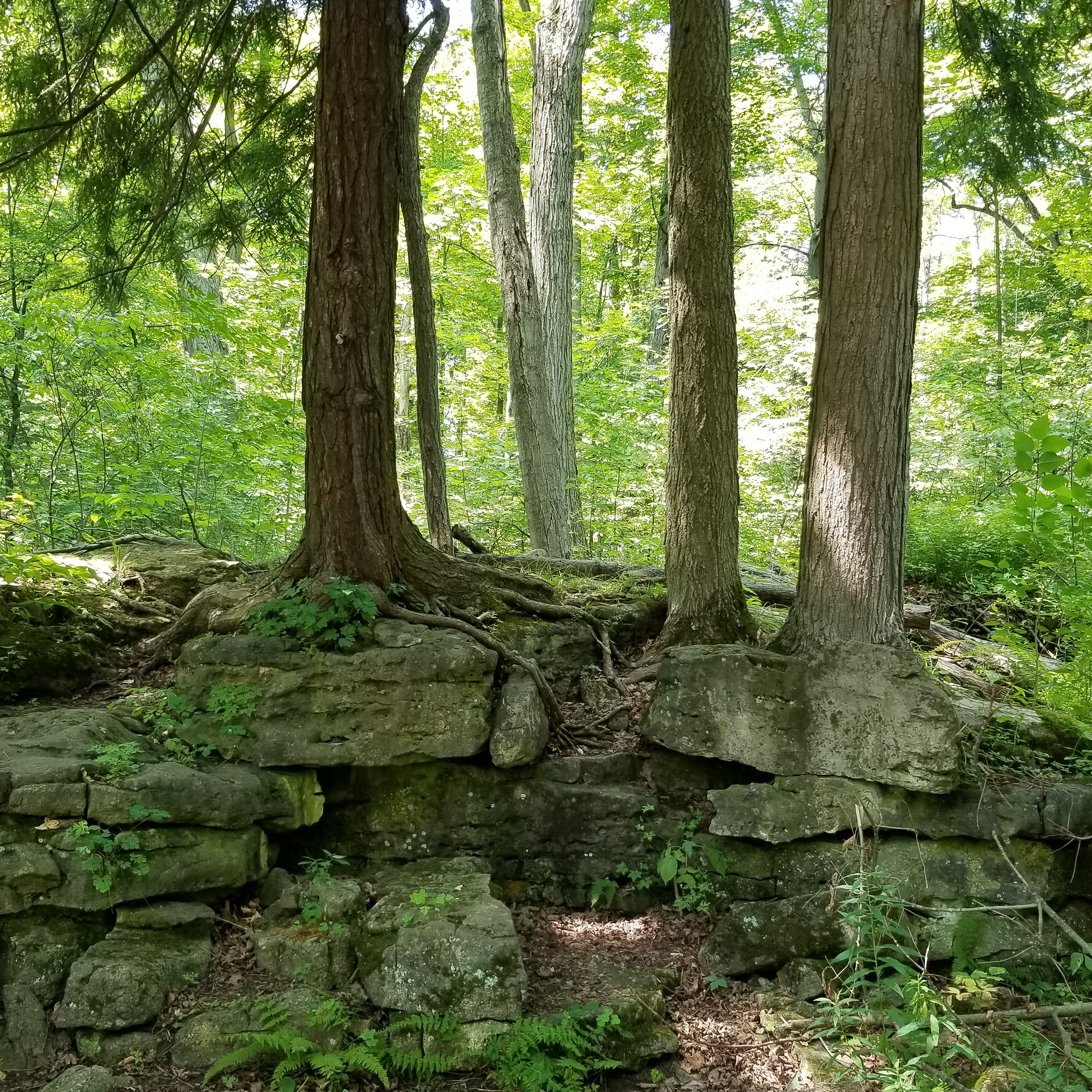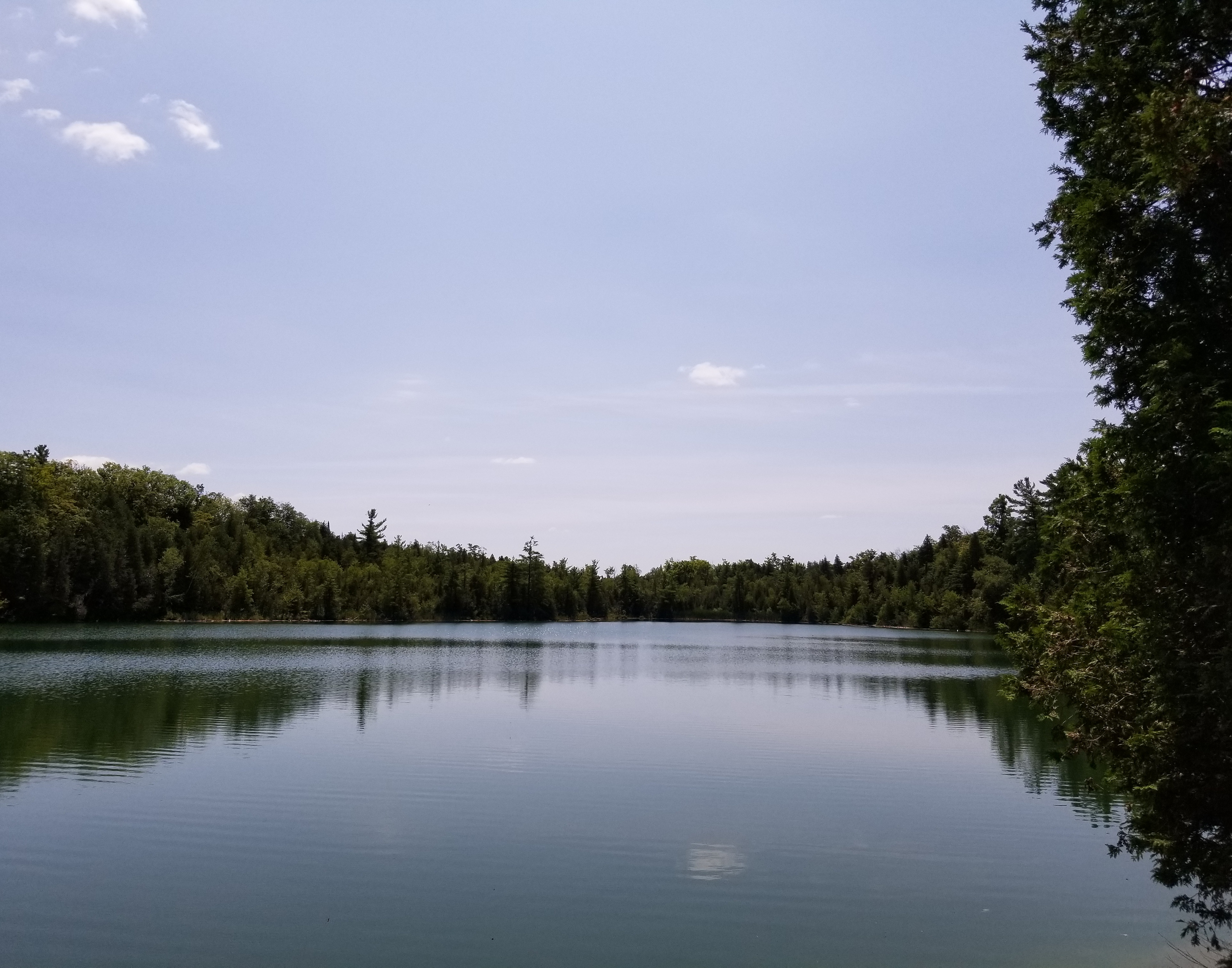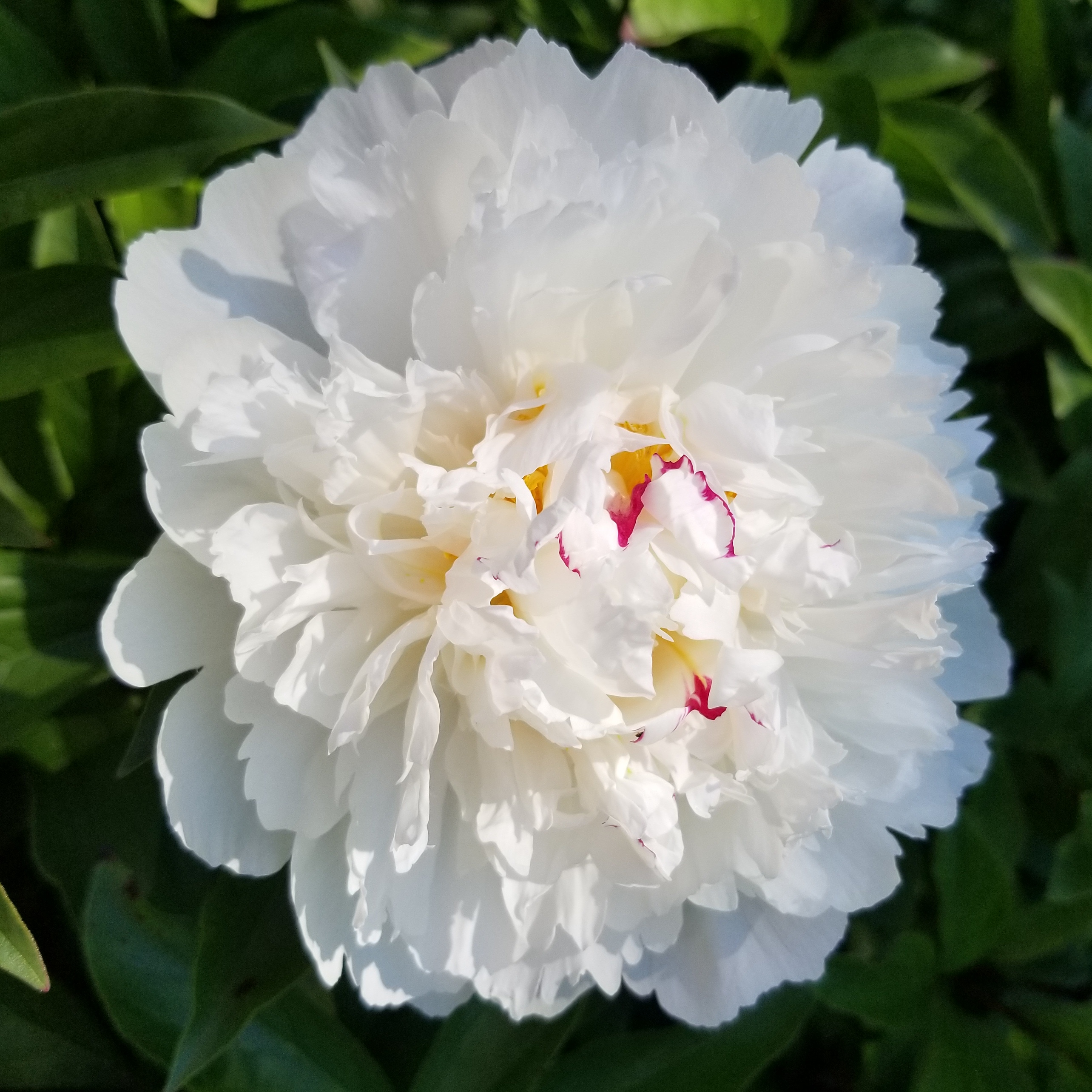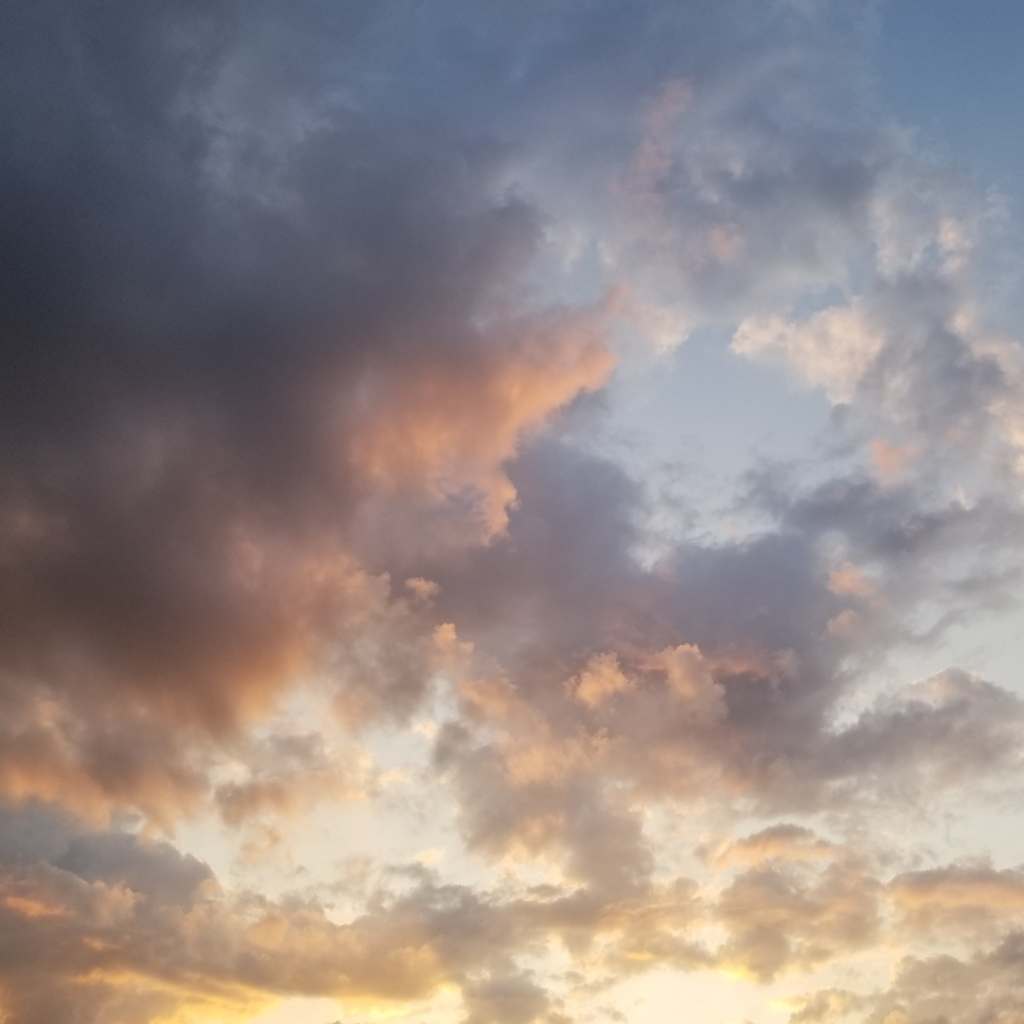
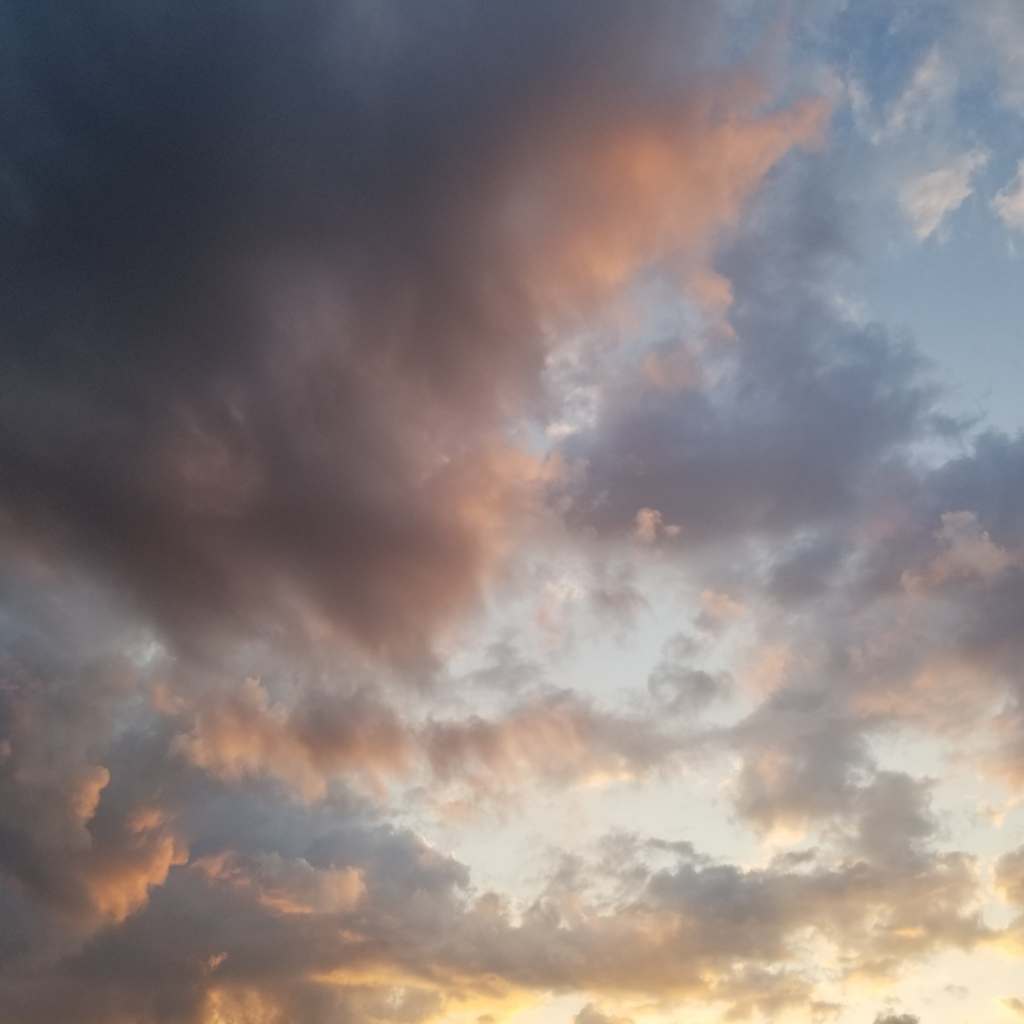
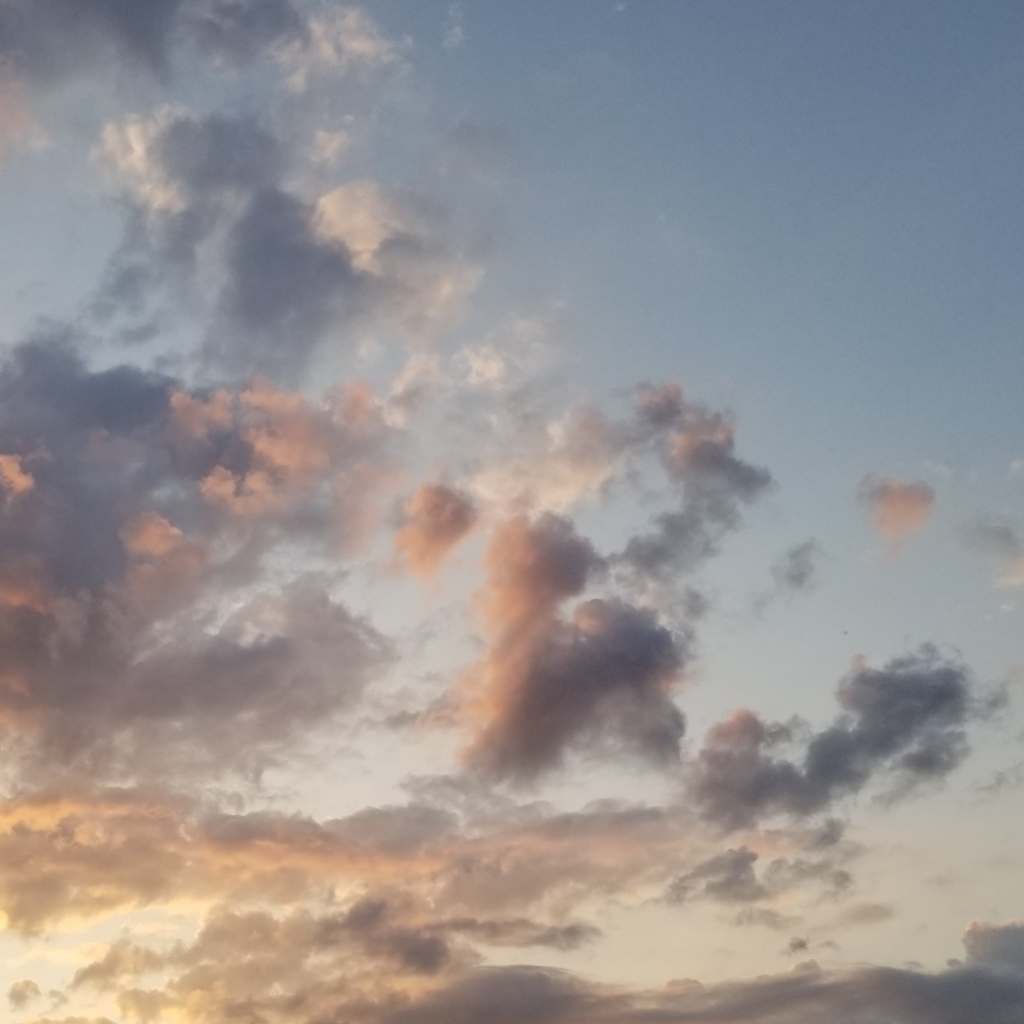
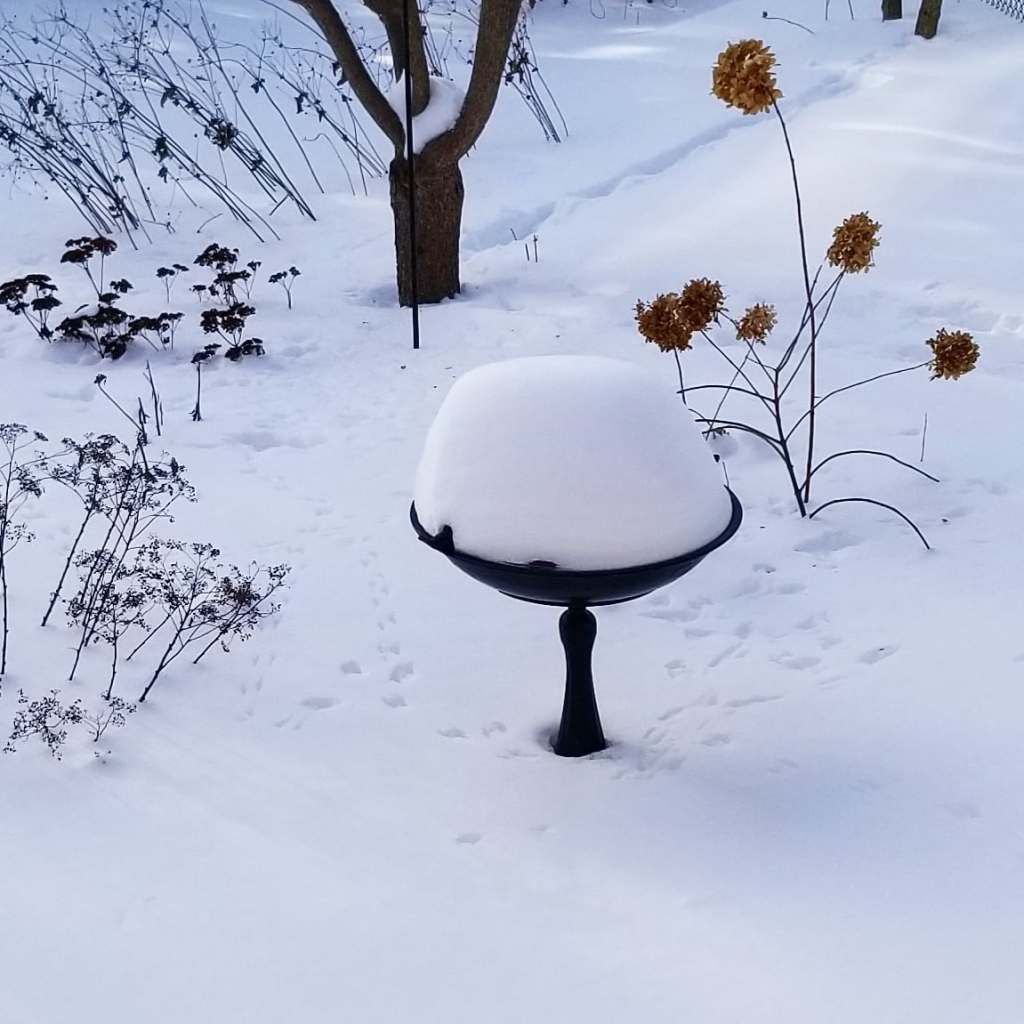
Junco footprints, shadows and sparkles.


Junco footprints, shadows and sparkles.


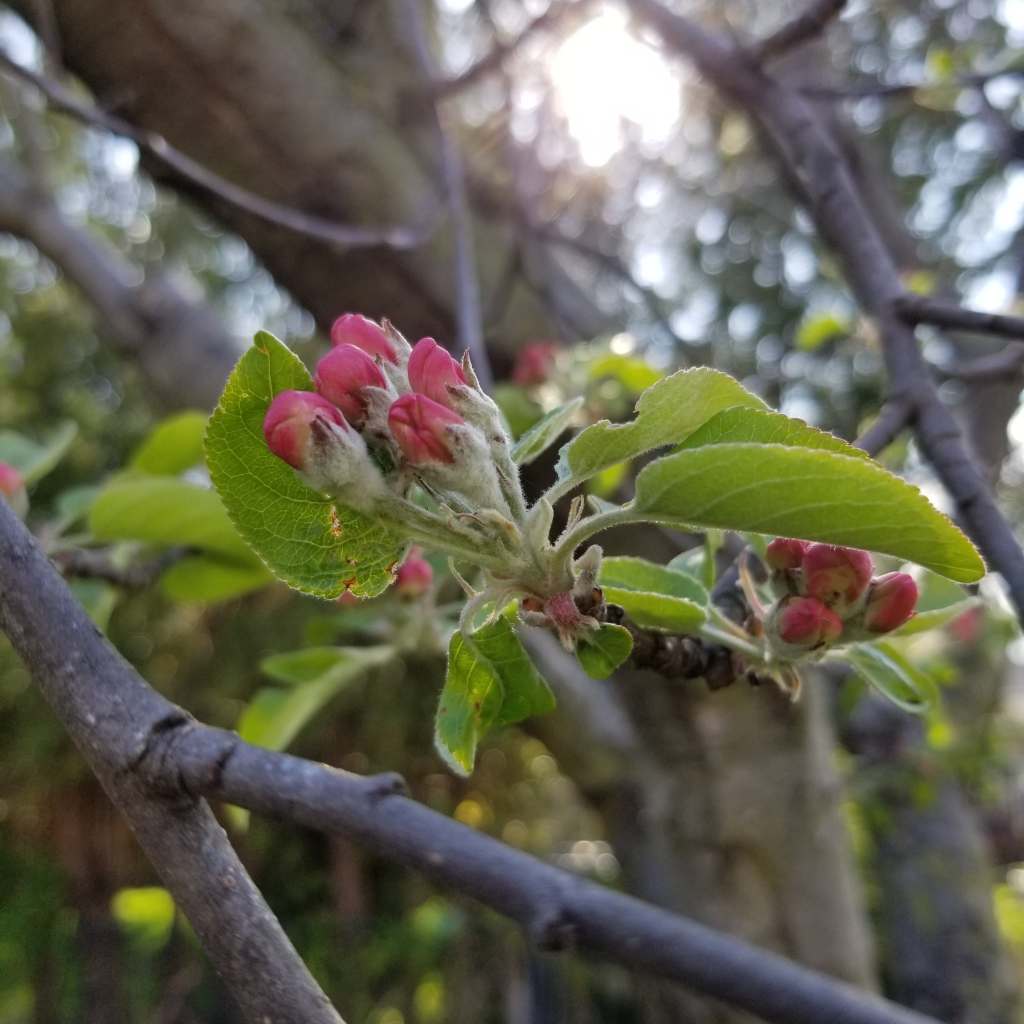
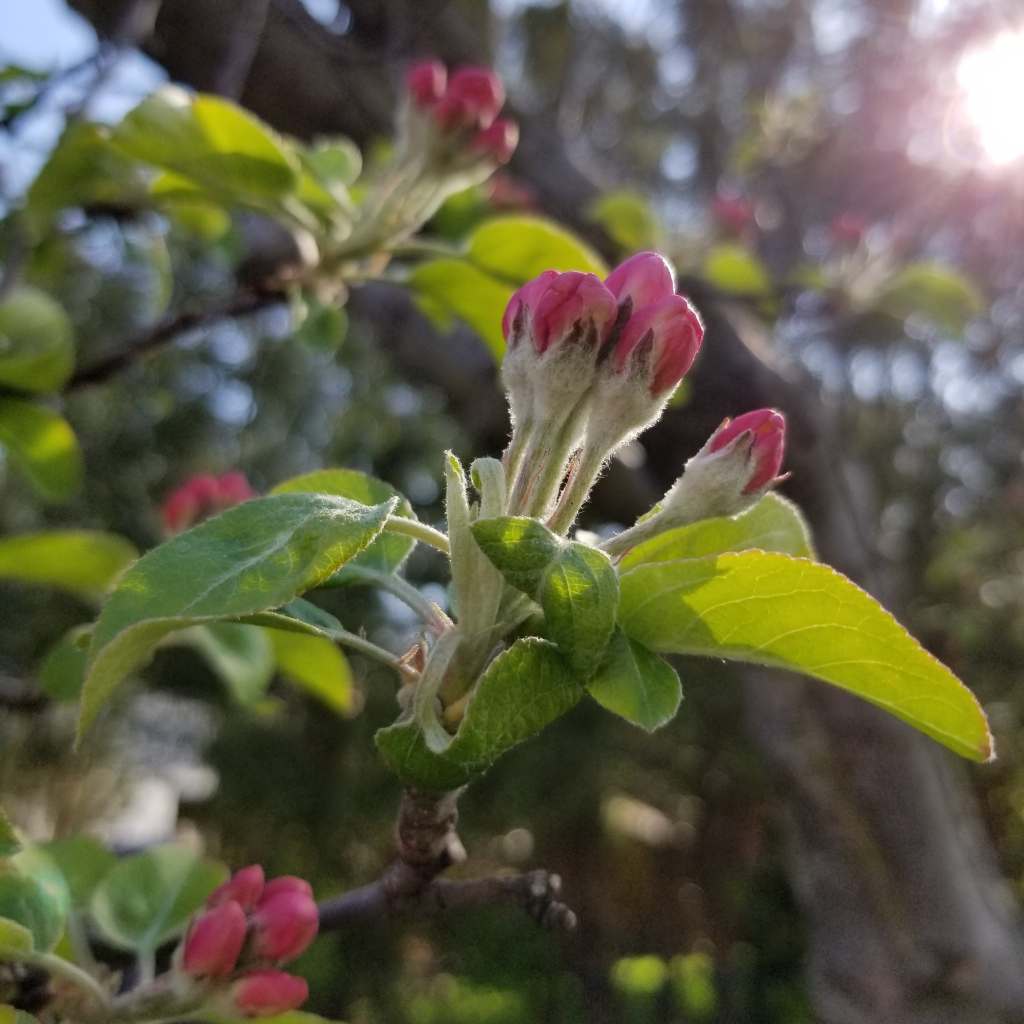
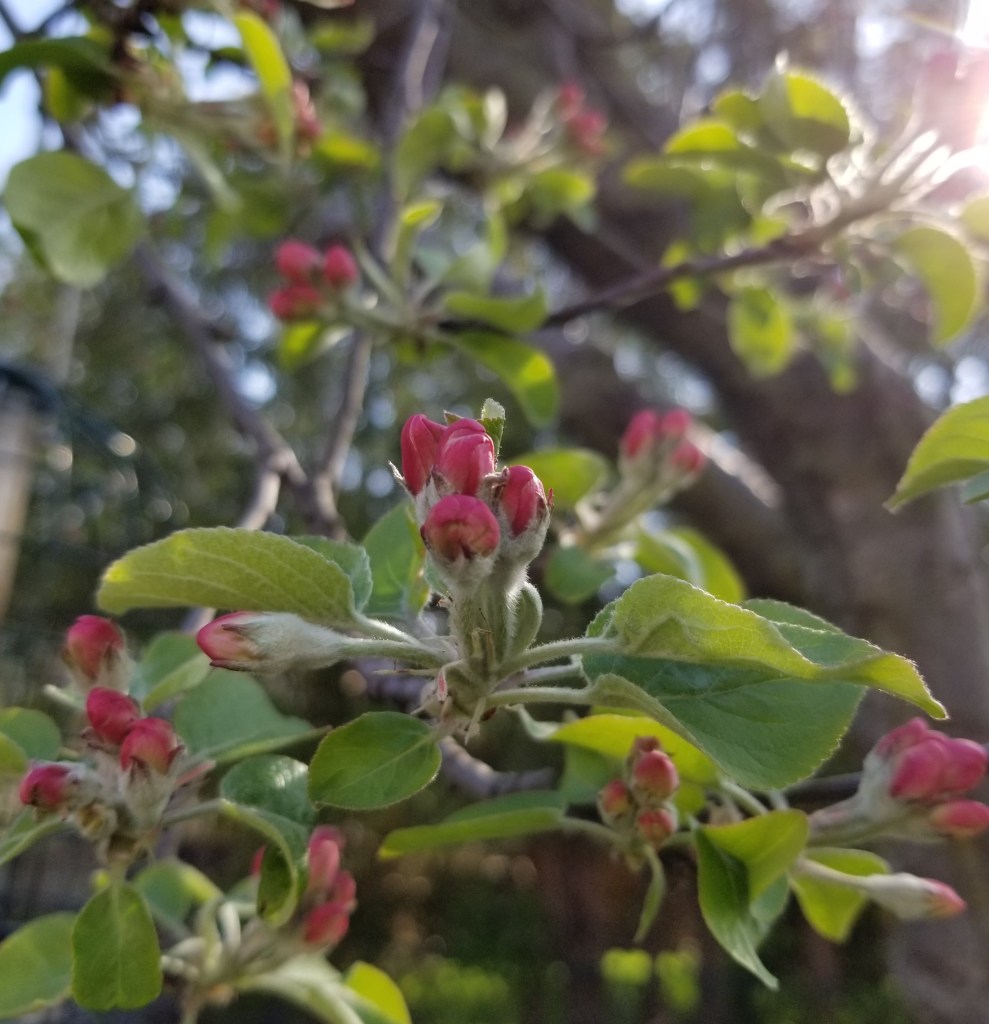
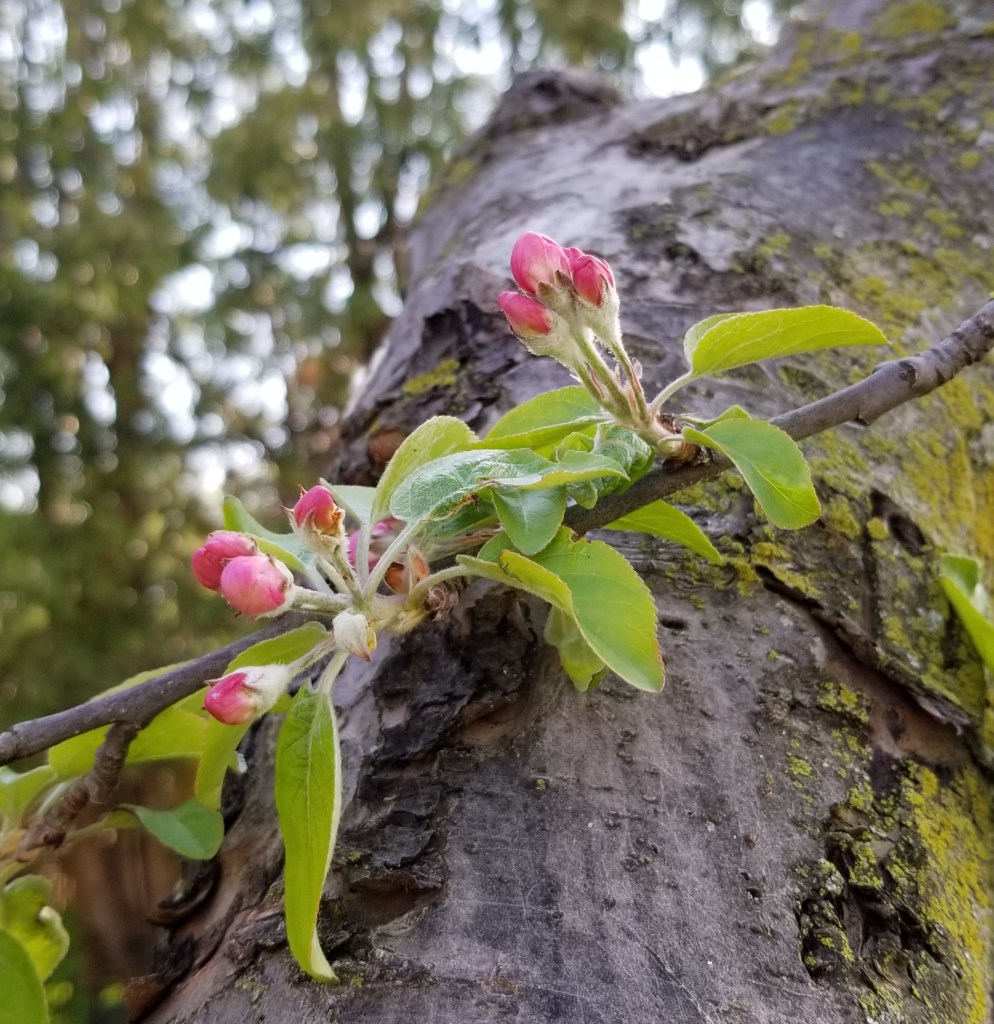
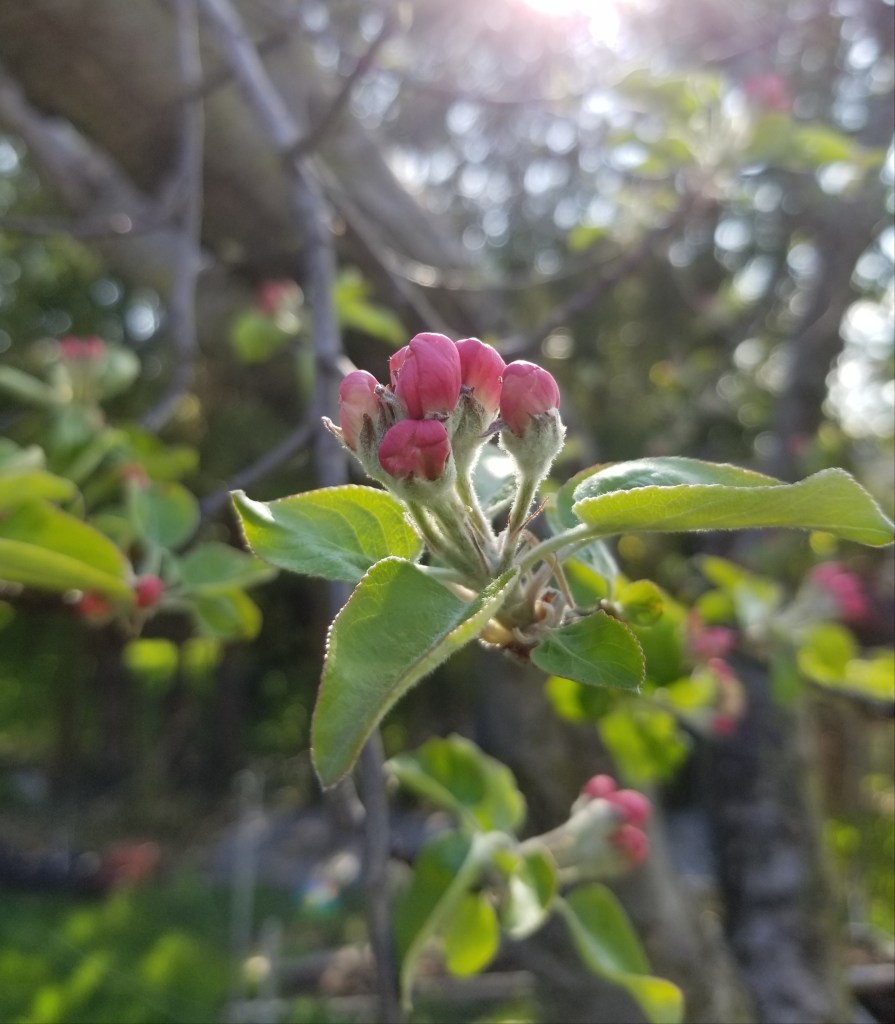
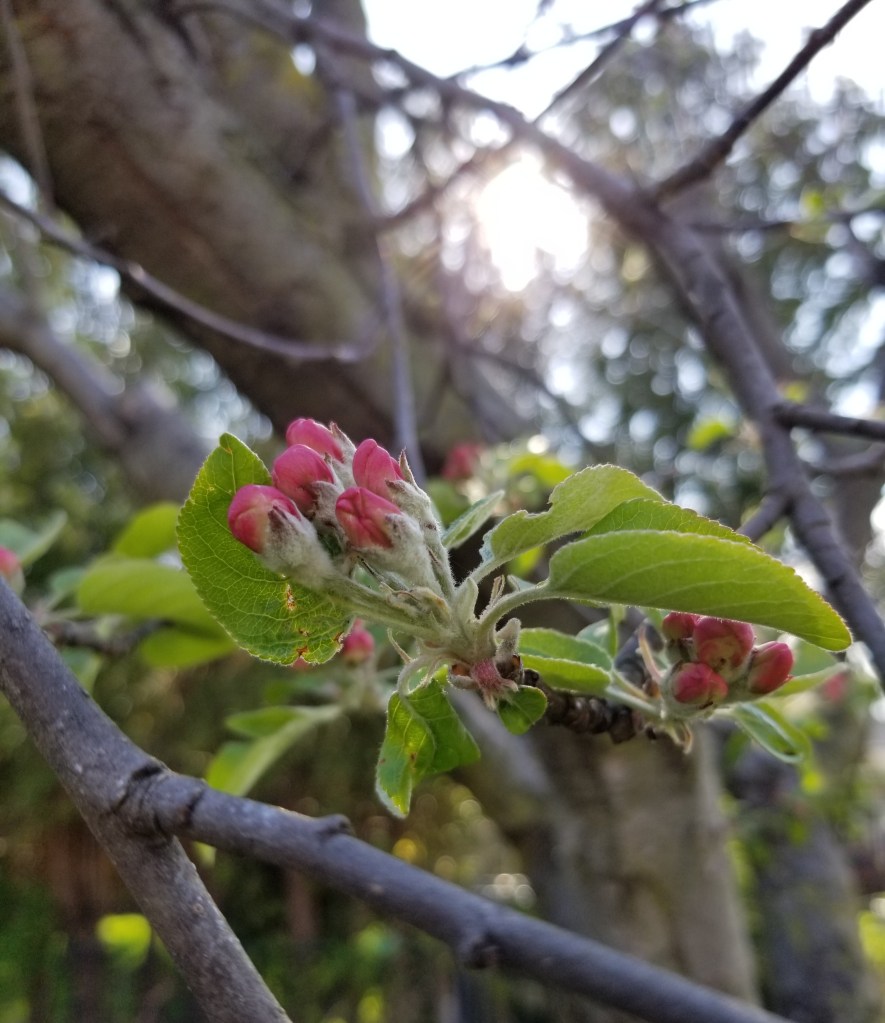
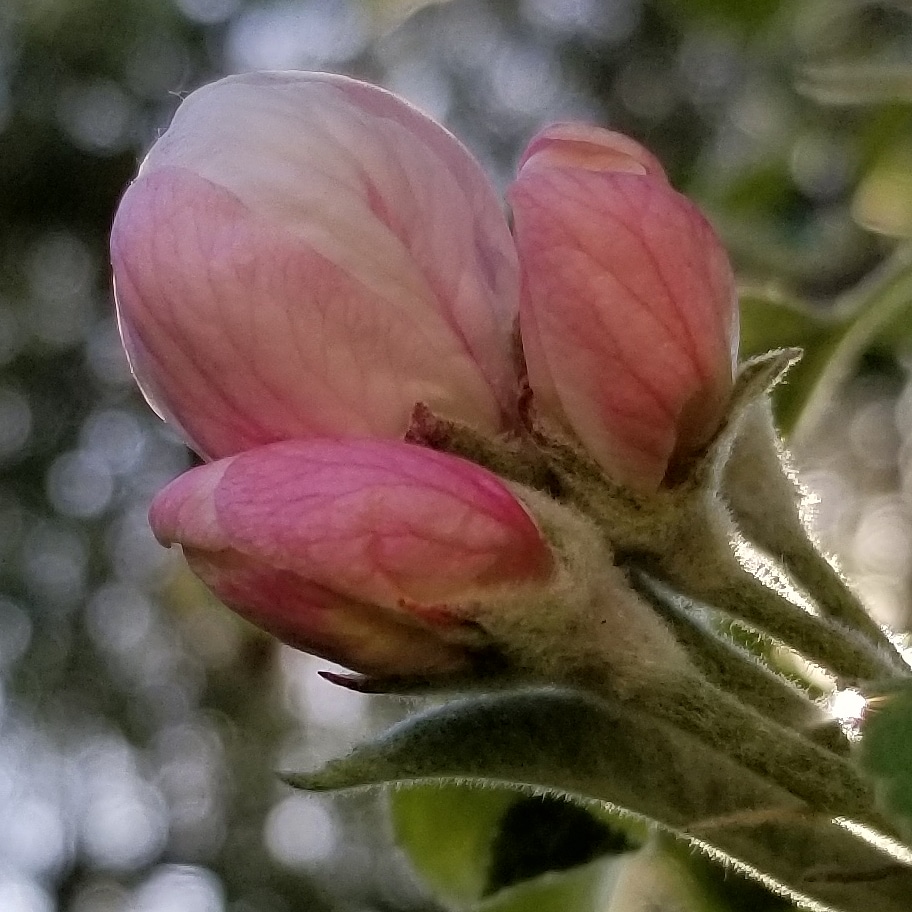
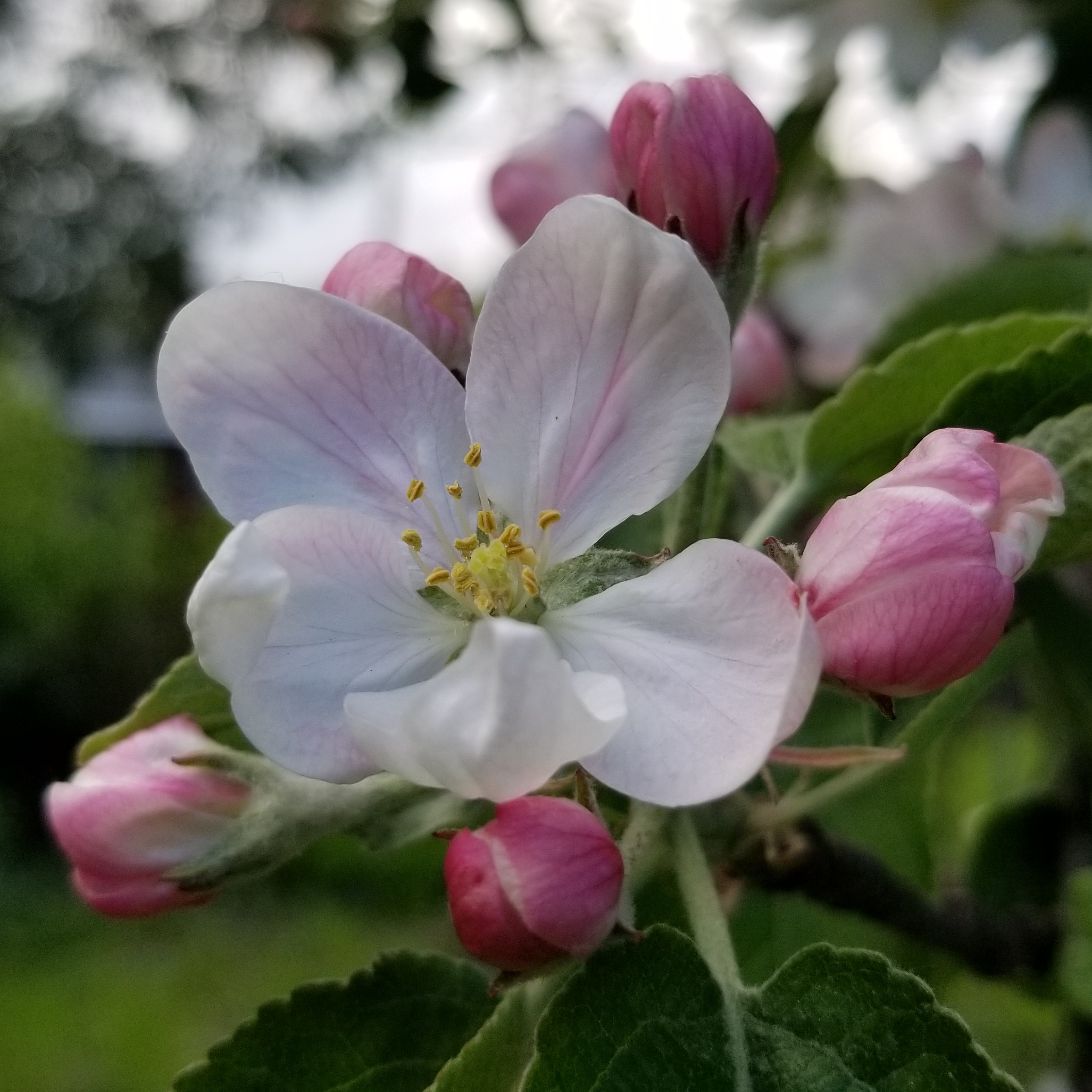
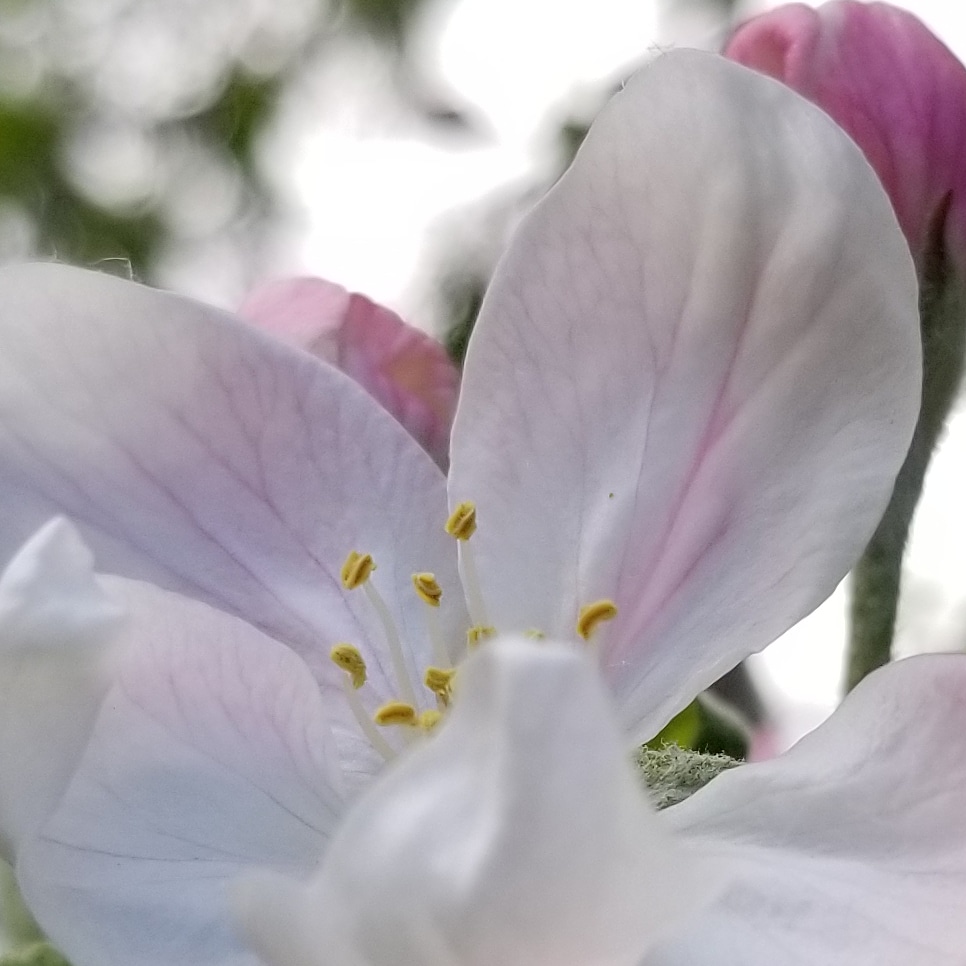
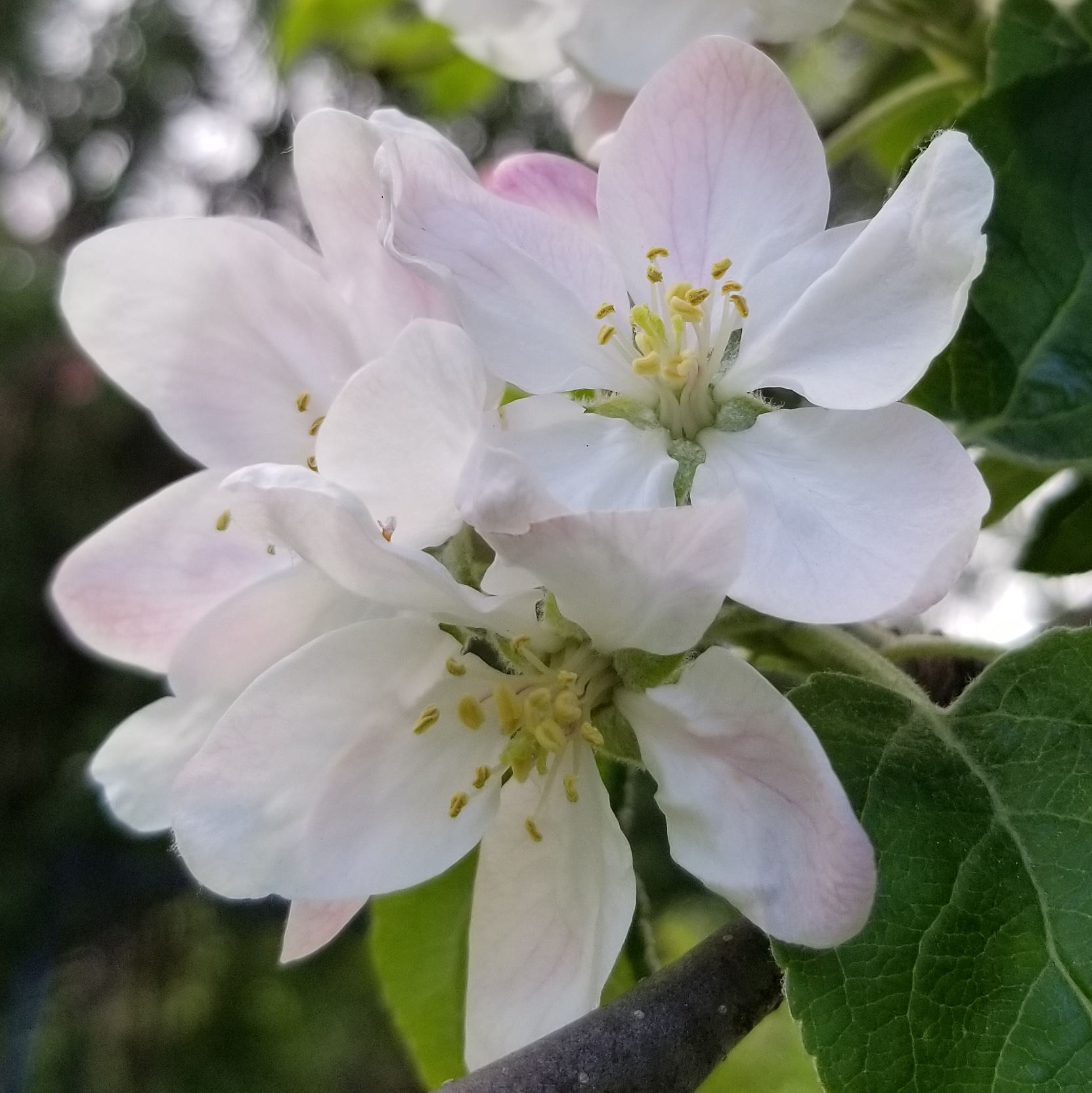
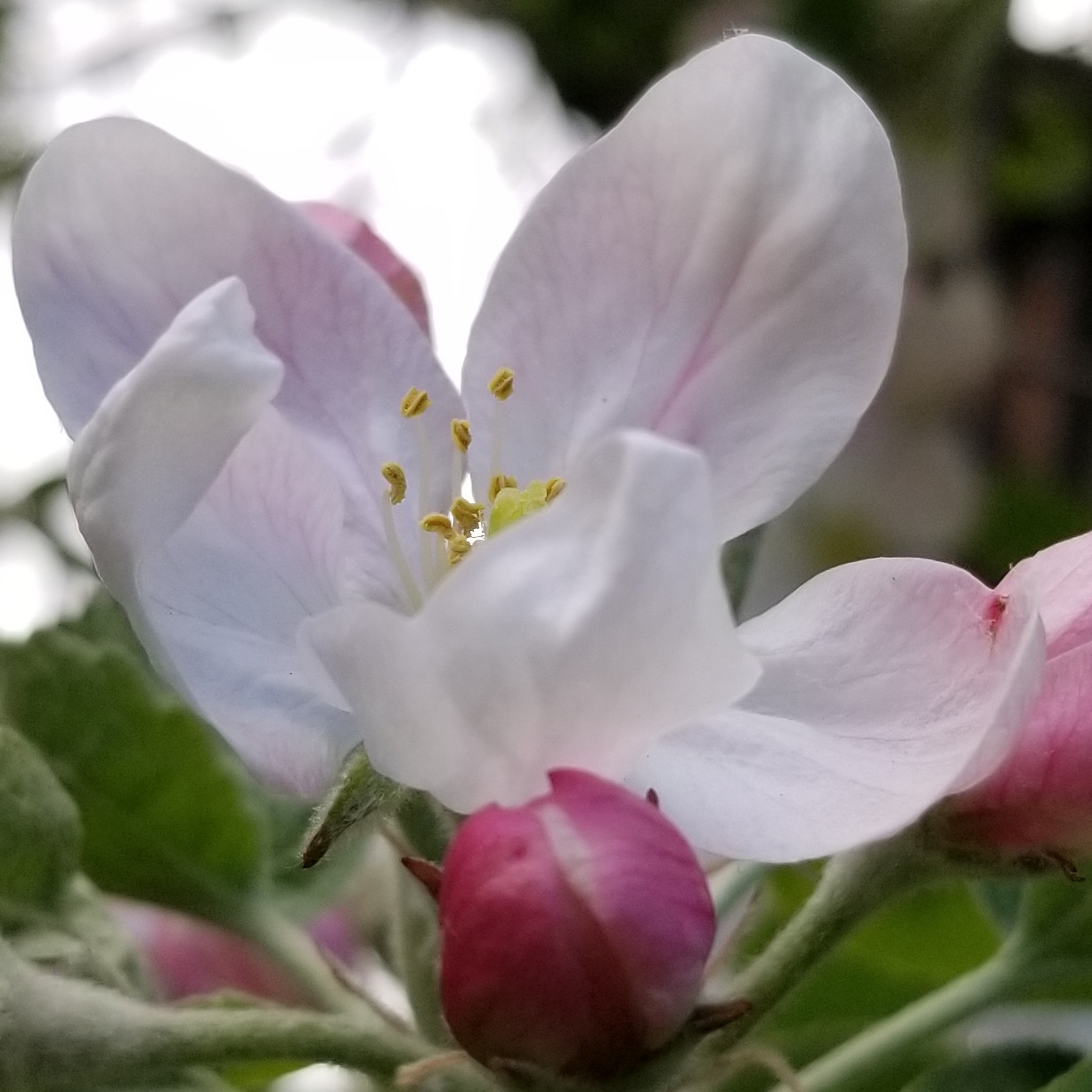
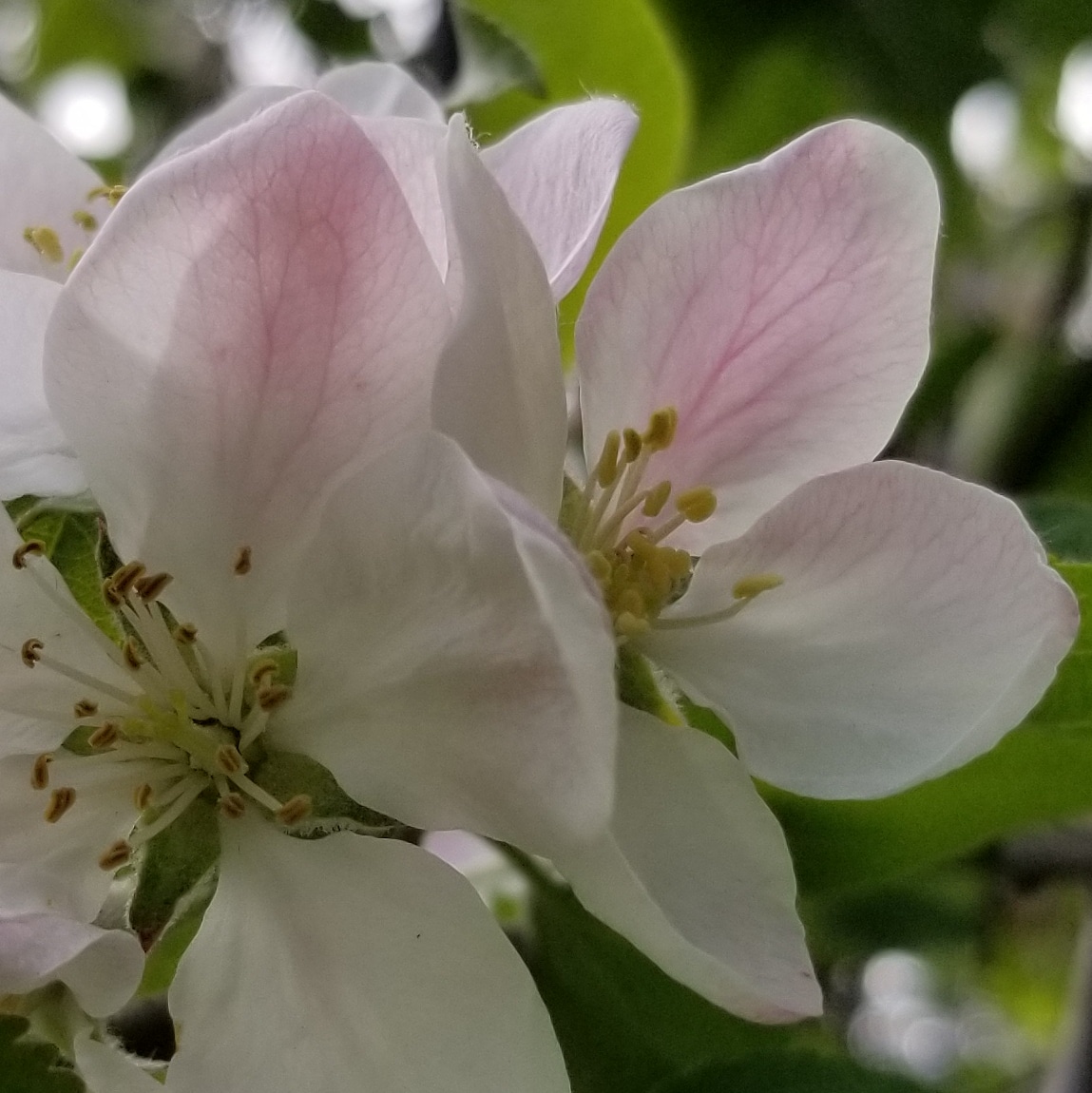
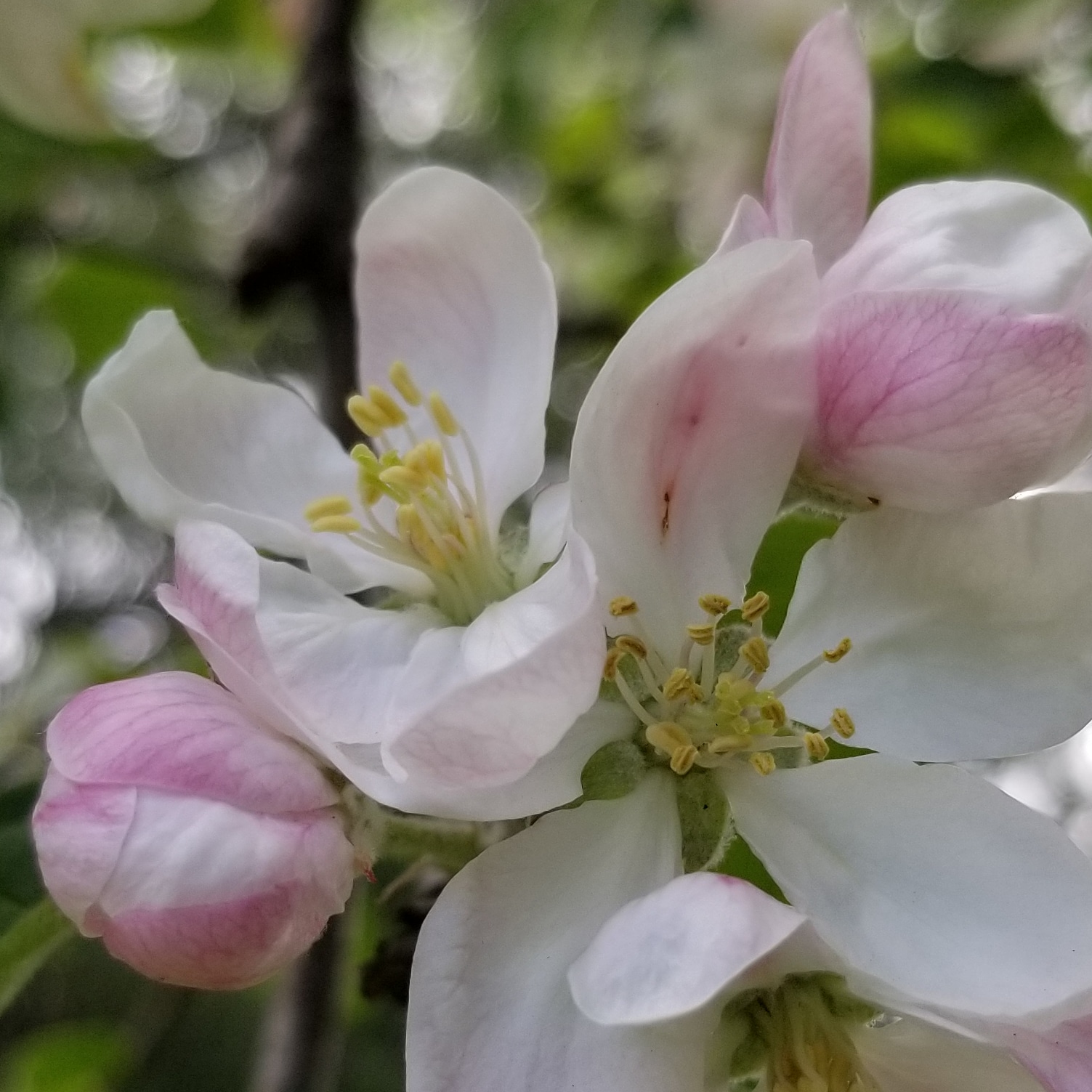
Apple blossoms in spring. Glorious!



There are many splendid architectural creations in Toronto. Here is a small sample of some of my favourites…I think it’s clear that I’m a proud University of Toronto alumna!
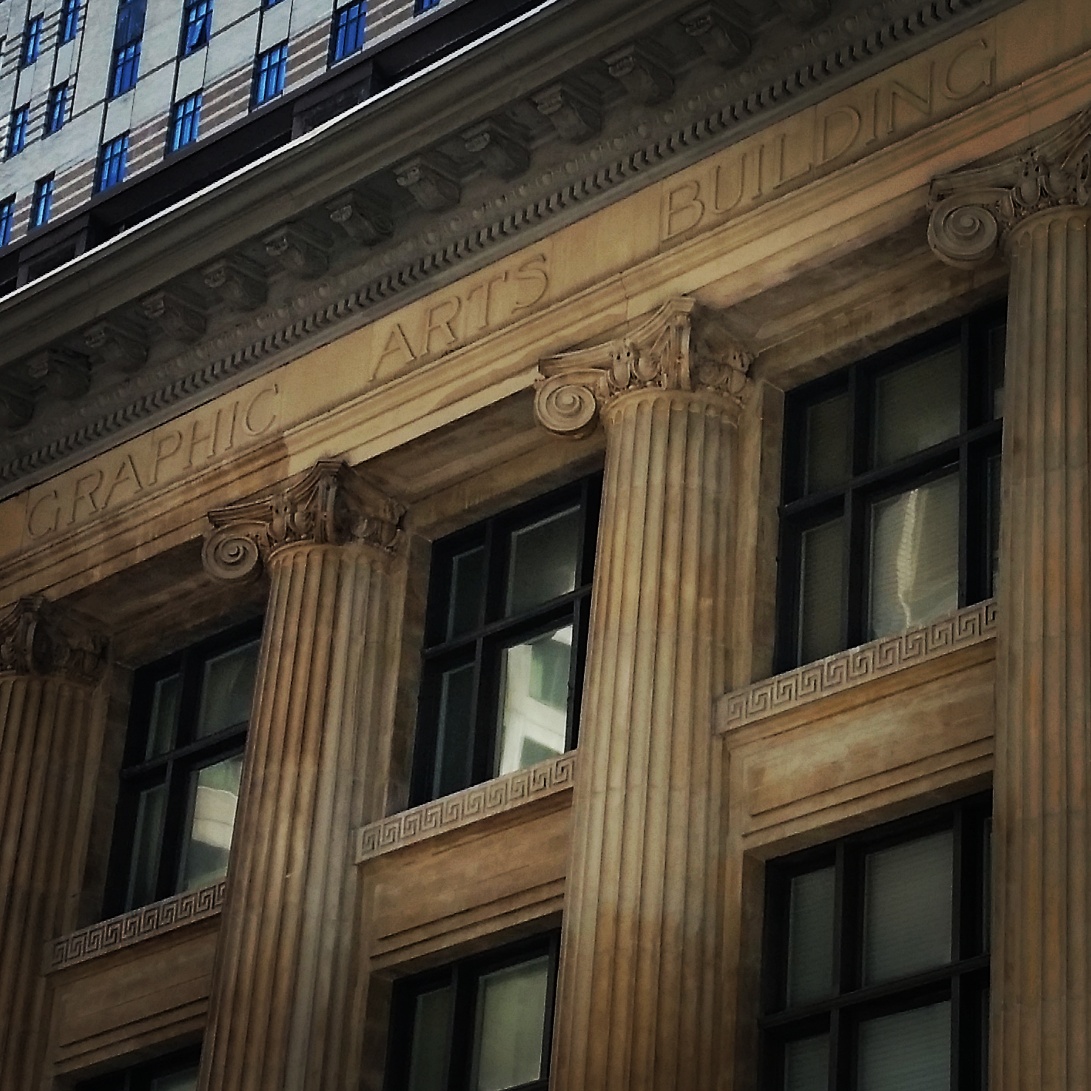
Graphic Arts Building
Toronto Old City Hall Clock Tower
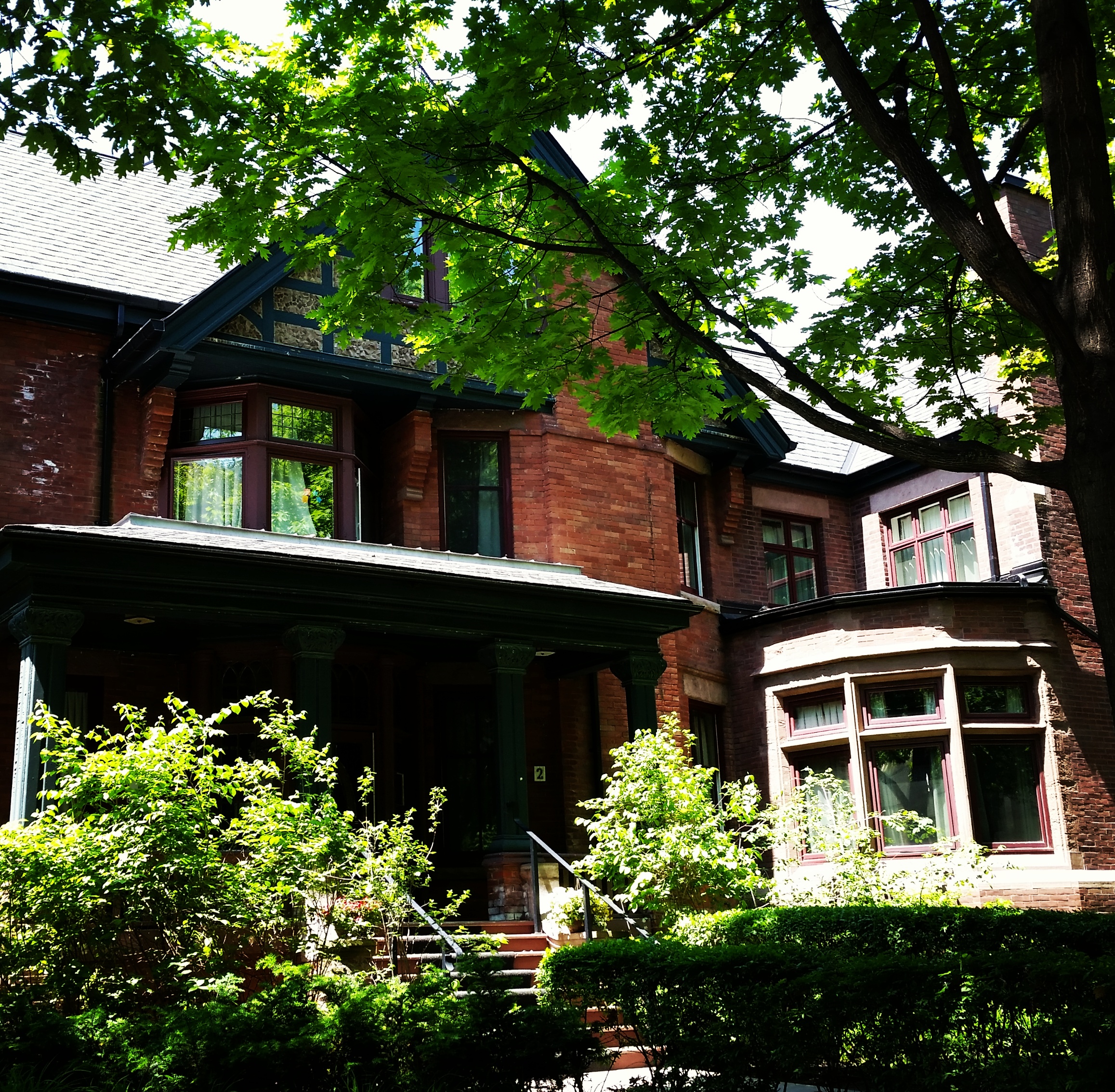
University of Toronto, St. Michael’s College, Elmsley Lane

University of Toronto, St. Michael’s College

Whitney Block, Government of Ontario Building

Lieutenant Governor’s Suite

King Street East
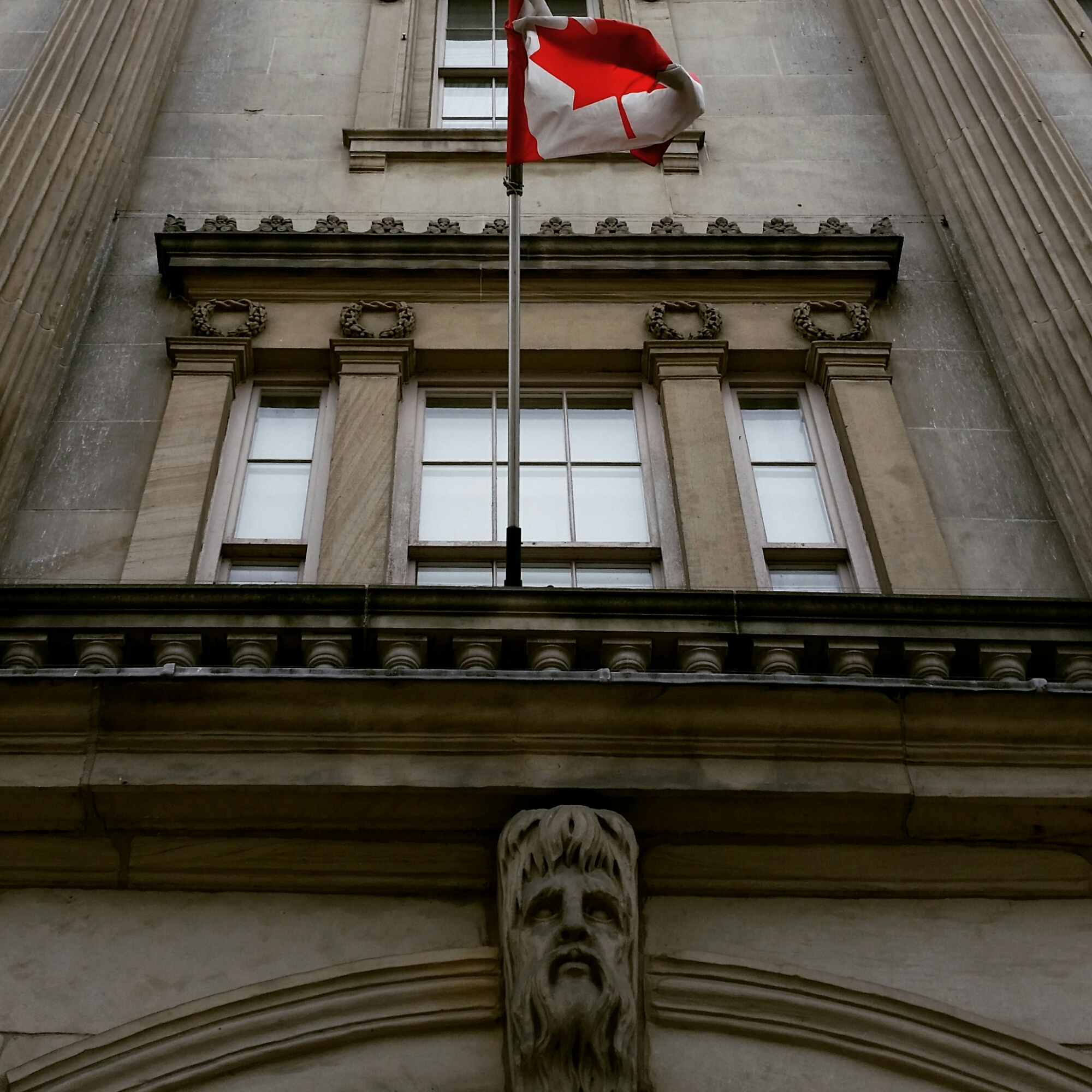
King Street East
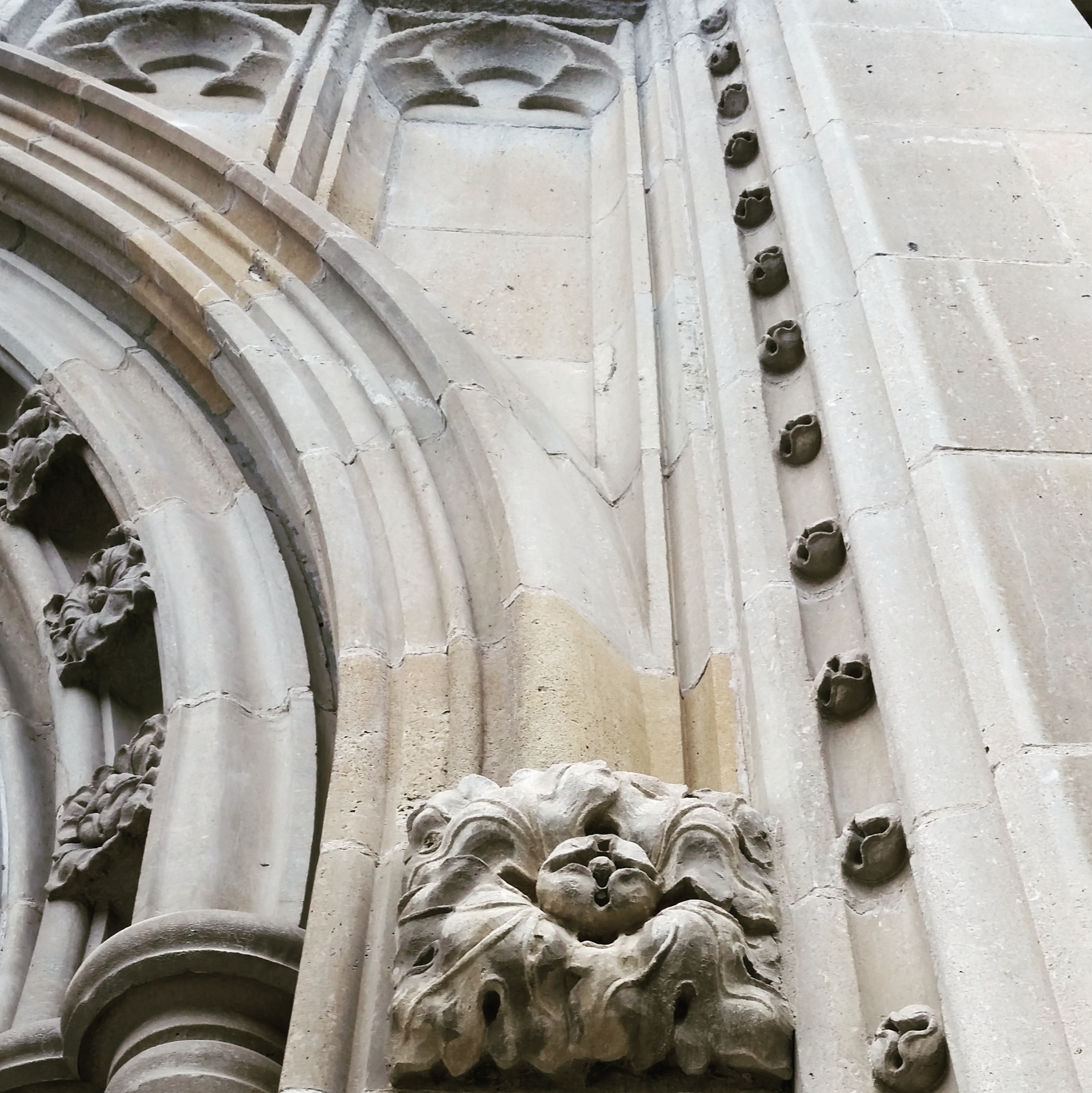
Whitney Block, Government of Ontario Building
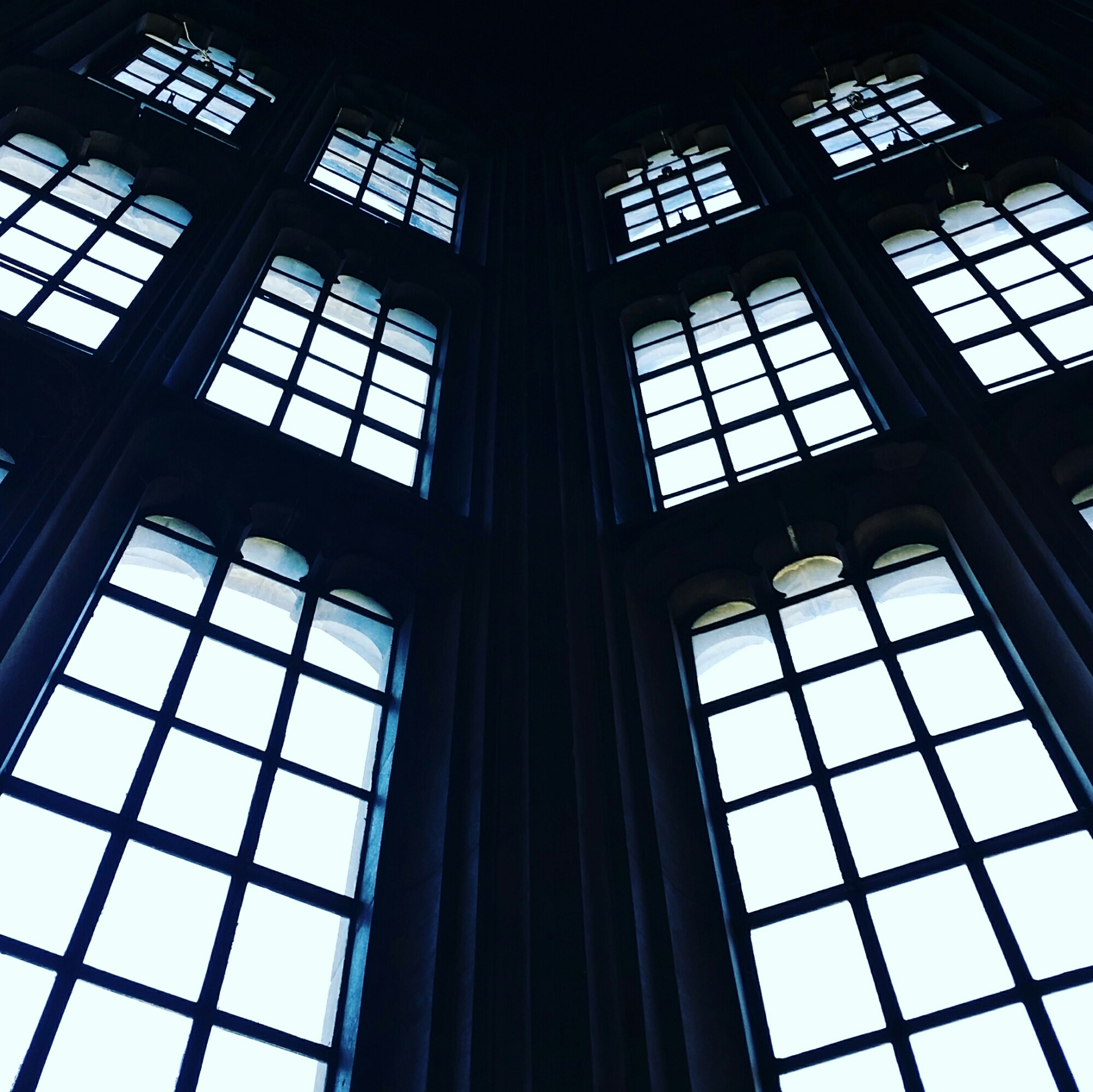
Hart House, University of Toronto
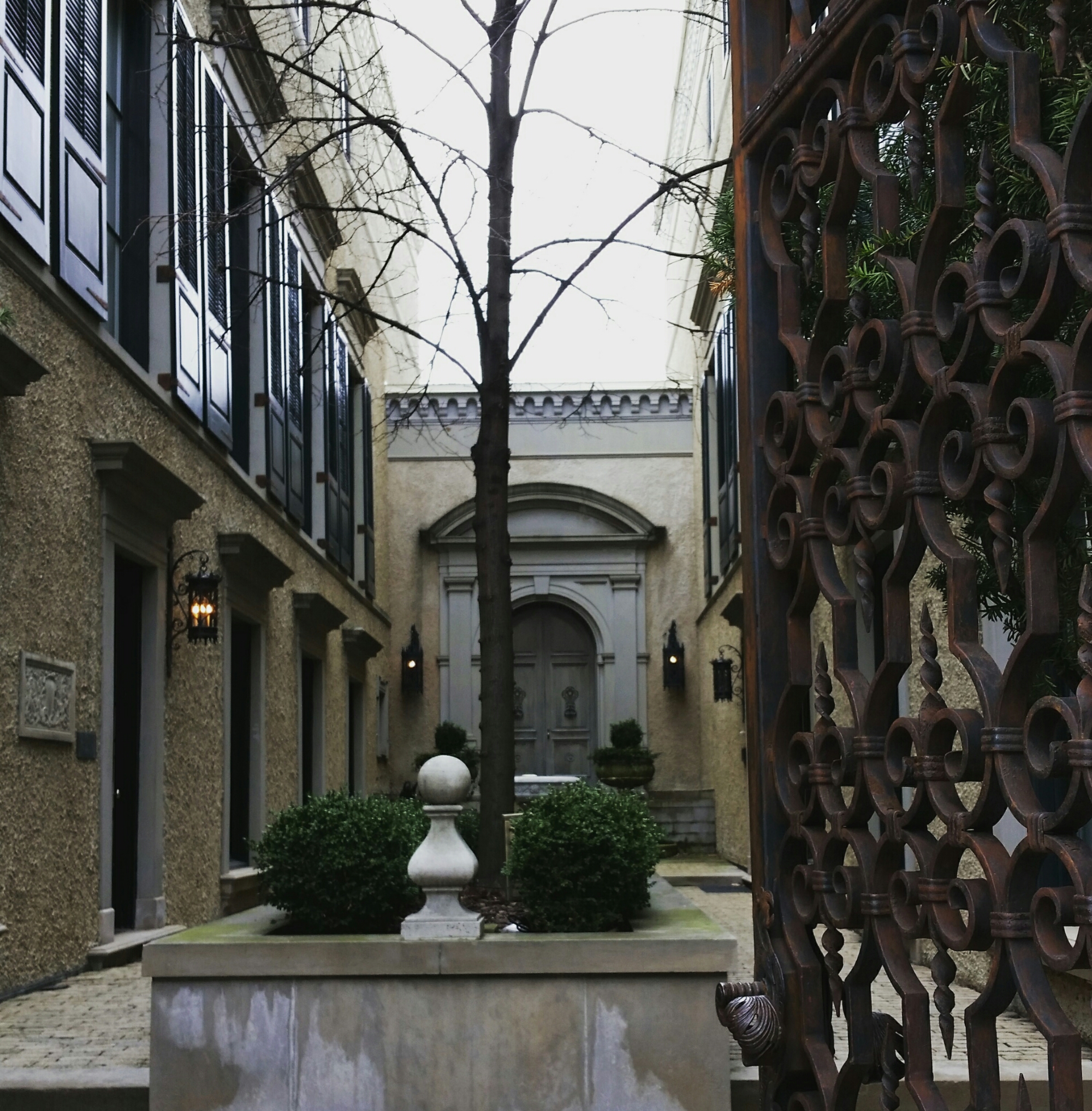
“Provence in Toronto” as I call it (Yonge Street near Rosedale Subway Station)
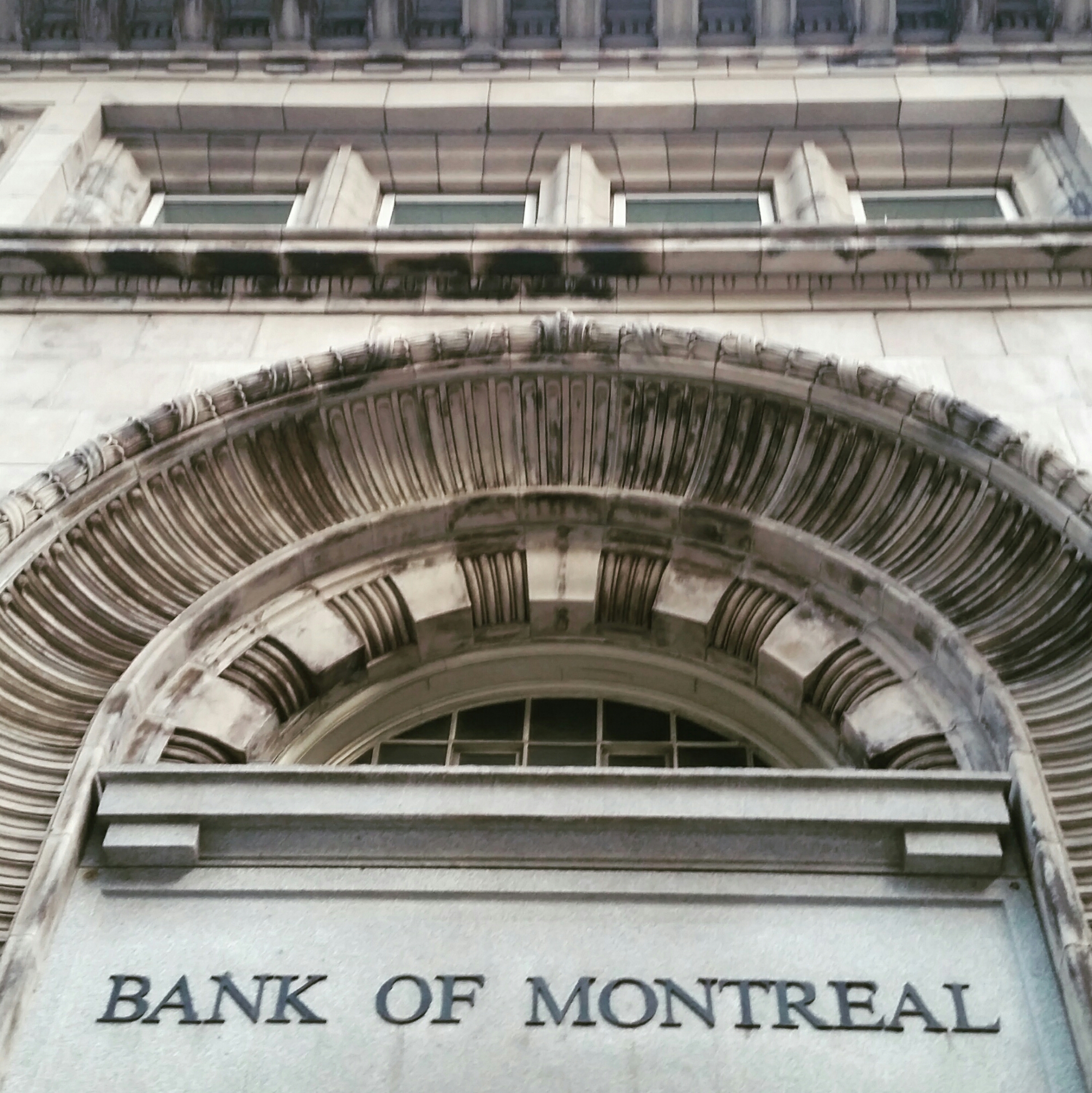
Bank of Montreal Building

Toronto Harbour, as seen from the Centre Island Ferry
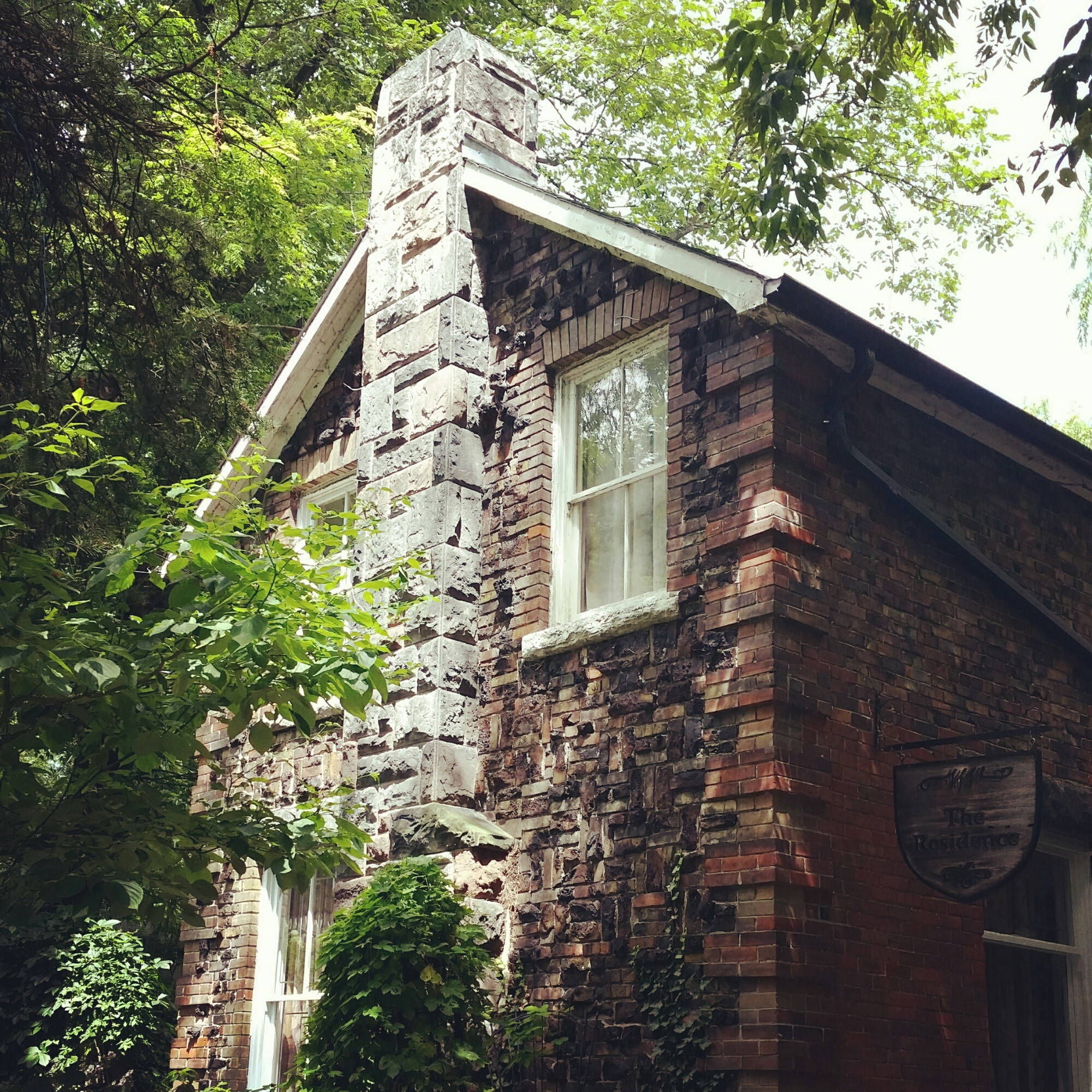
Riverdale Farm
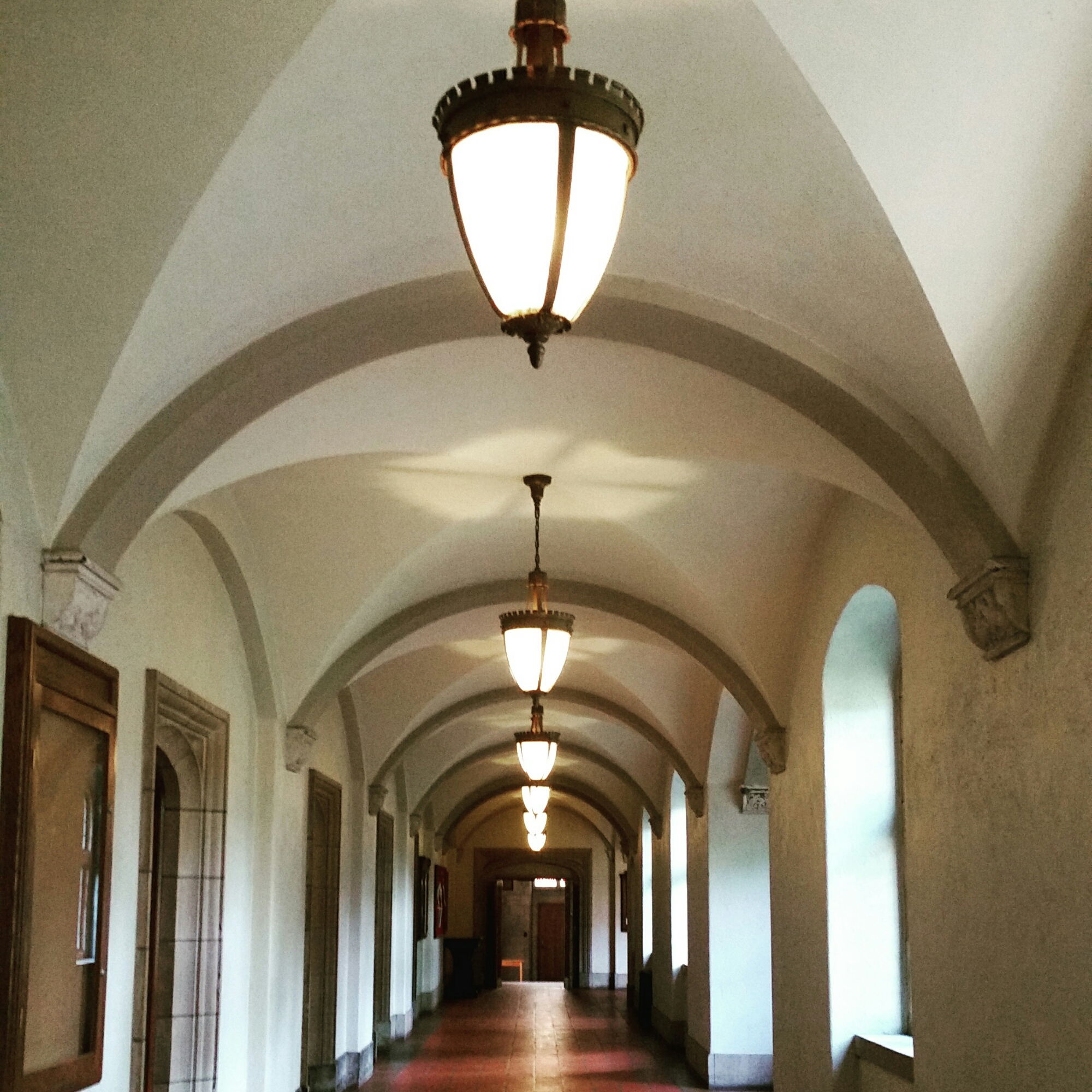
Trinity College, University of Toronto
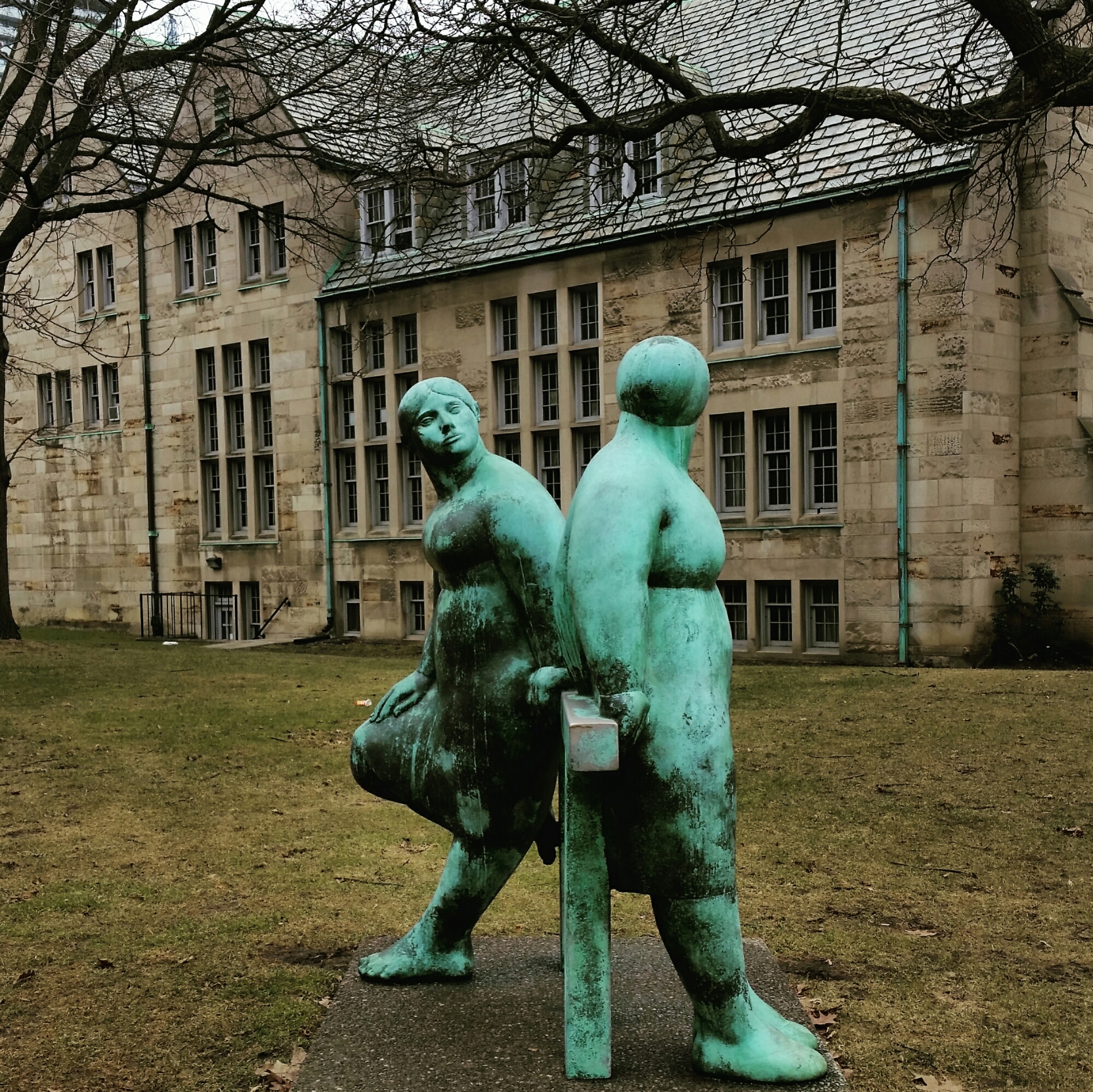
St. Michael’s College, University of Toronto
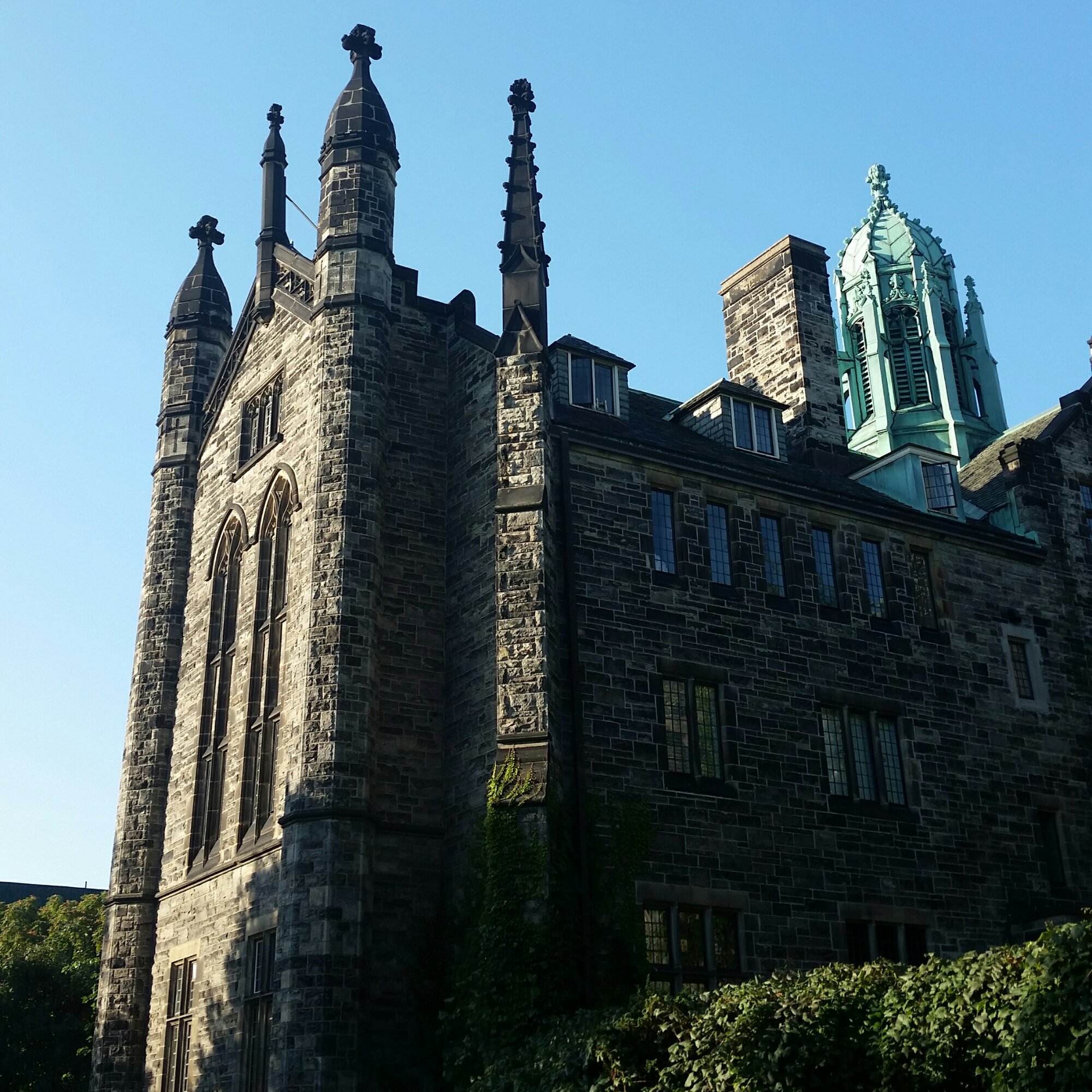
Trinity College, University of Toronto

Trinity College, University of Toronto
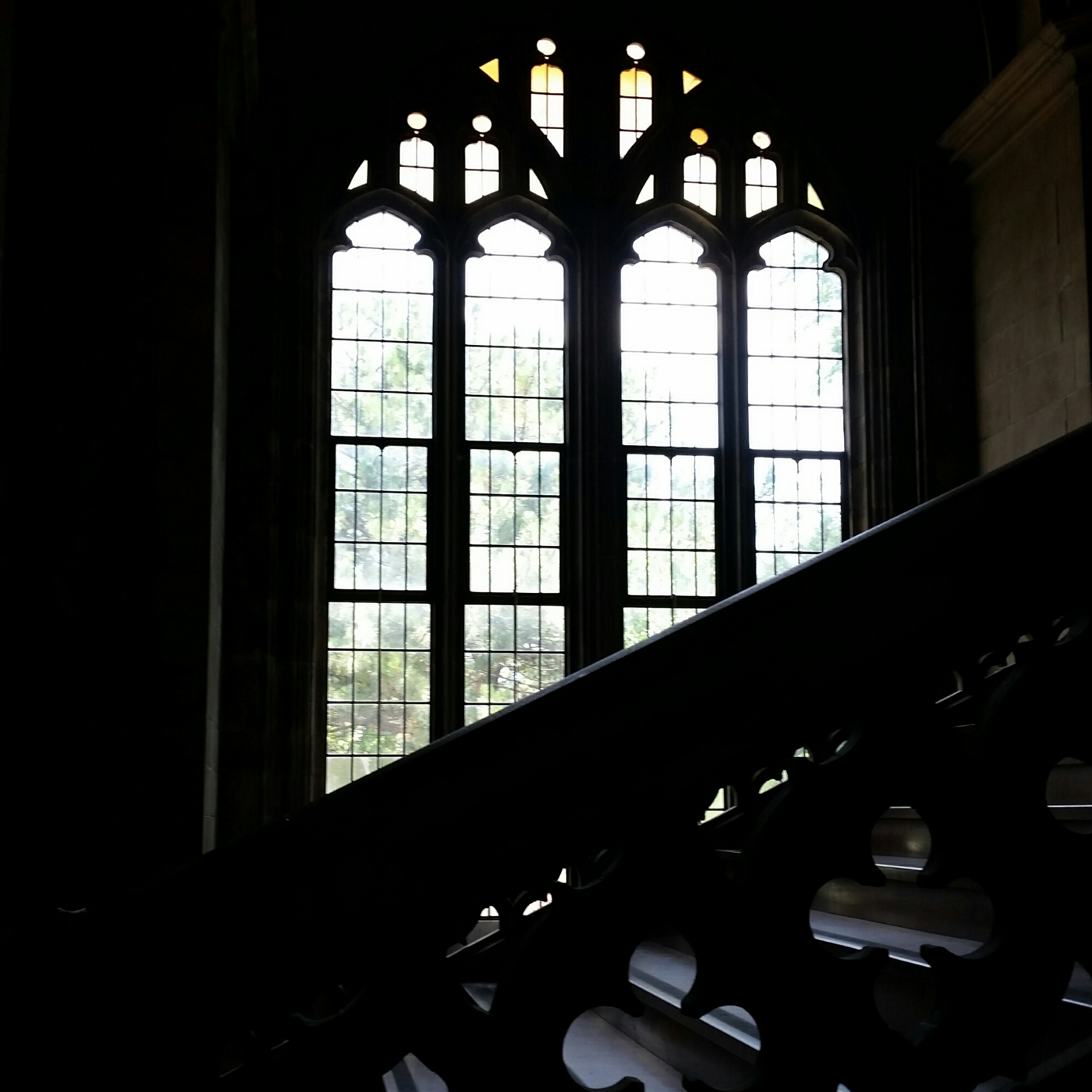
Trinity College, University of Toronto
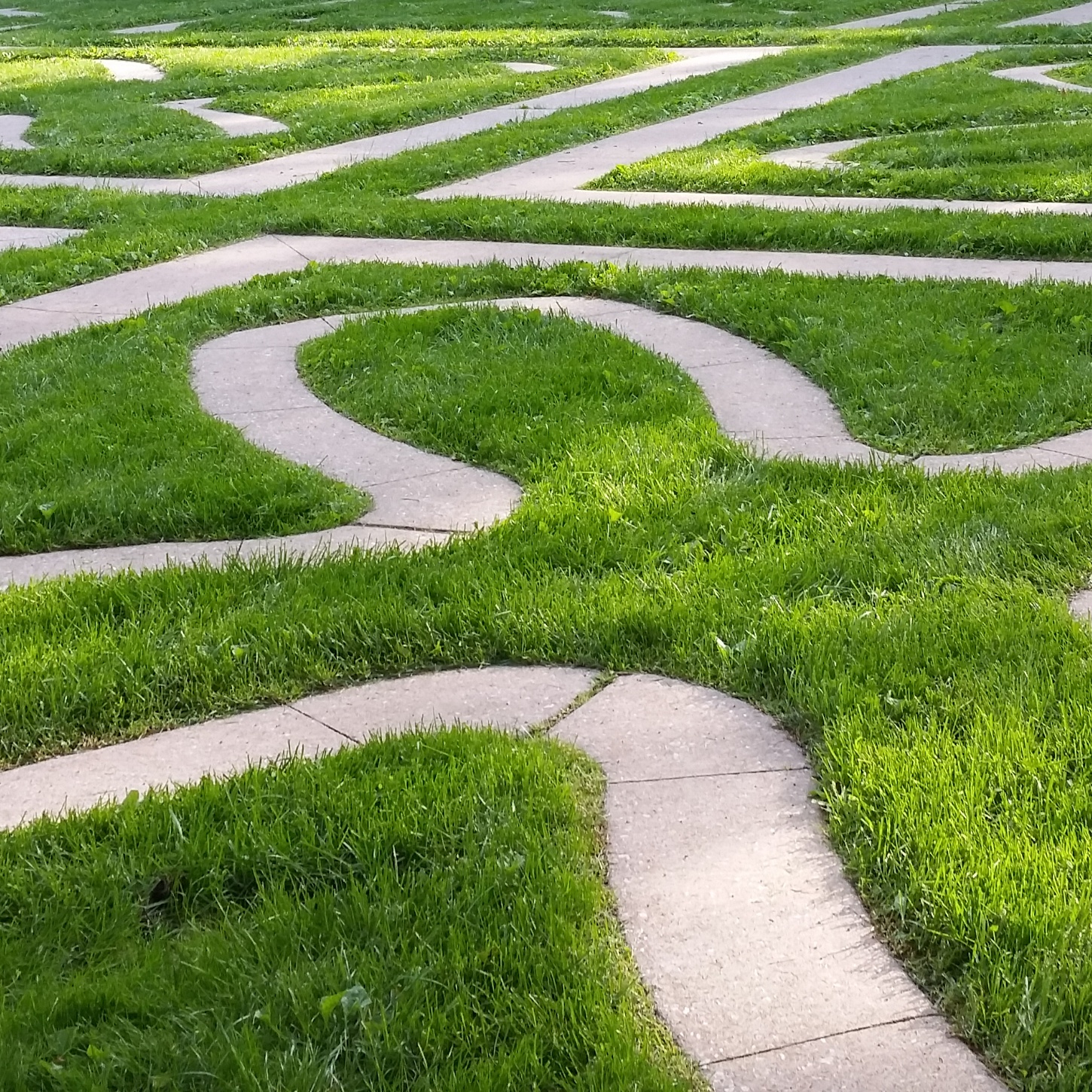
Trinity College Courtyard, University of Toronto

Hart House, University of Toronto
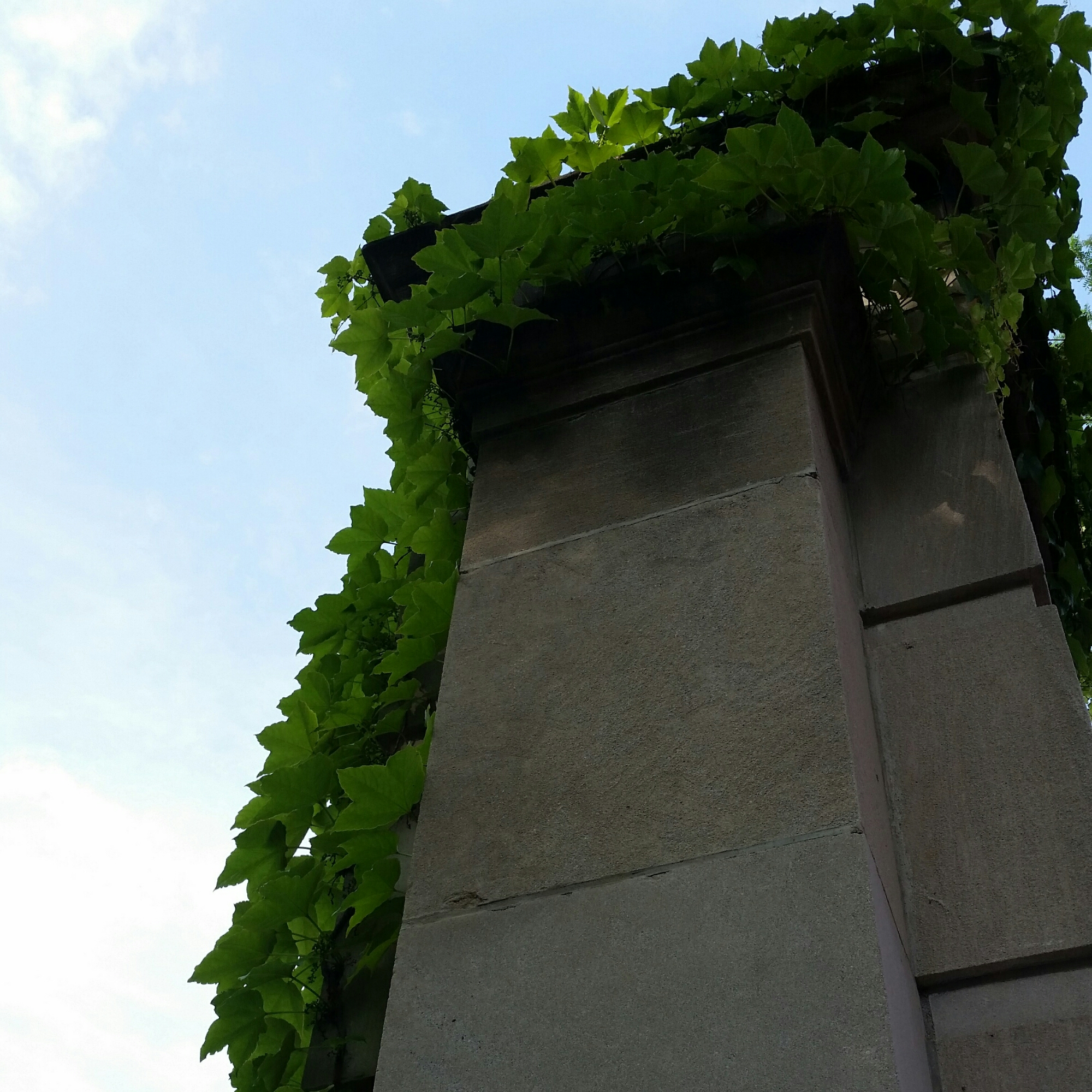
Bennett Gates to Philosopher’s Walk, University of Toronto
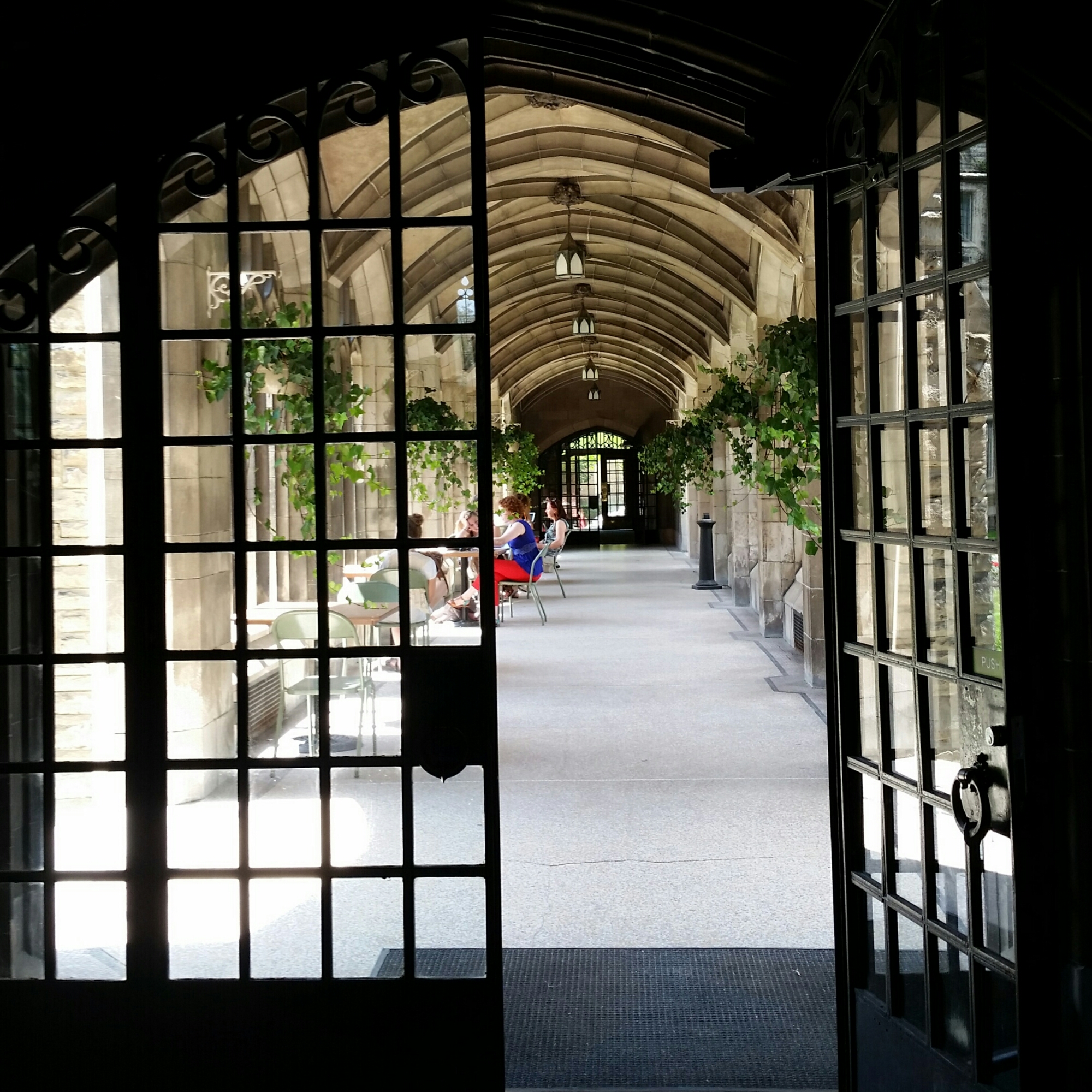
Cloisters, University of Toronto
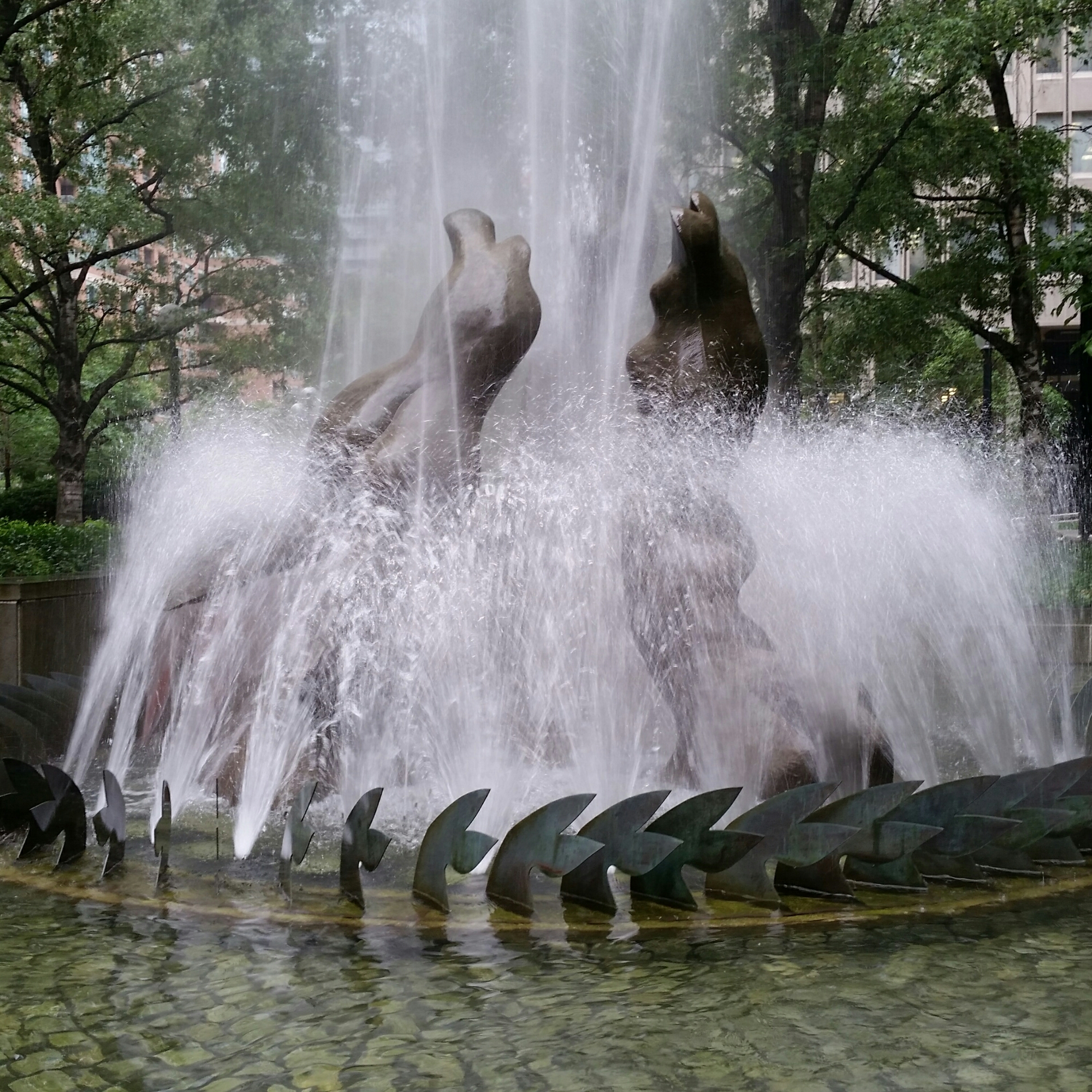
“The Three Graces” by Gerald Gladstone, 1971 (in front of Macdonald Block and part of the Government of Ontario Art Collection)

Royal Ontario Museum

King Edward VII statue in Queen’s Park
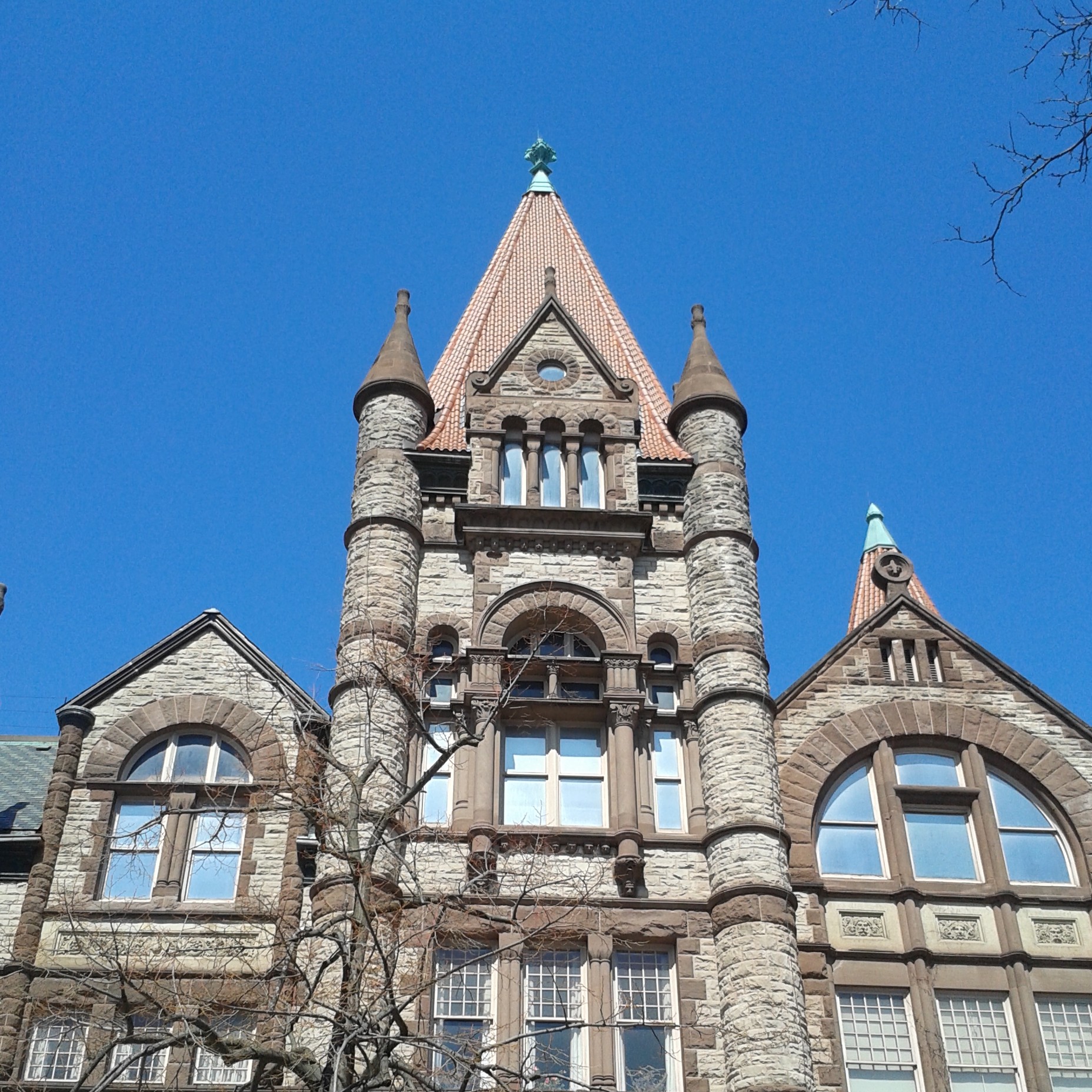
Ontario Legislative Building
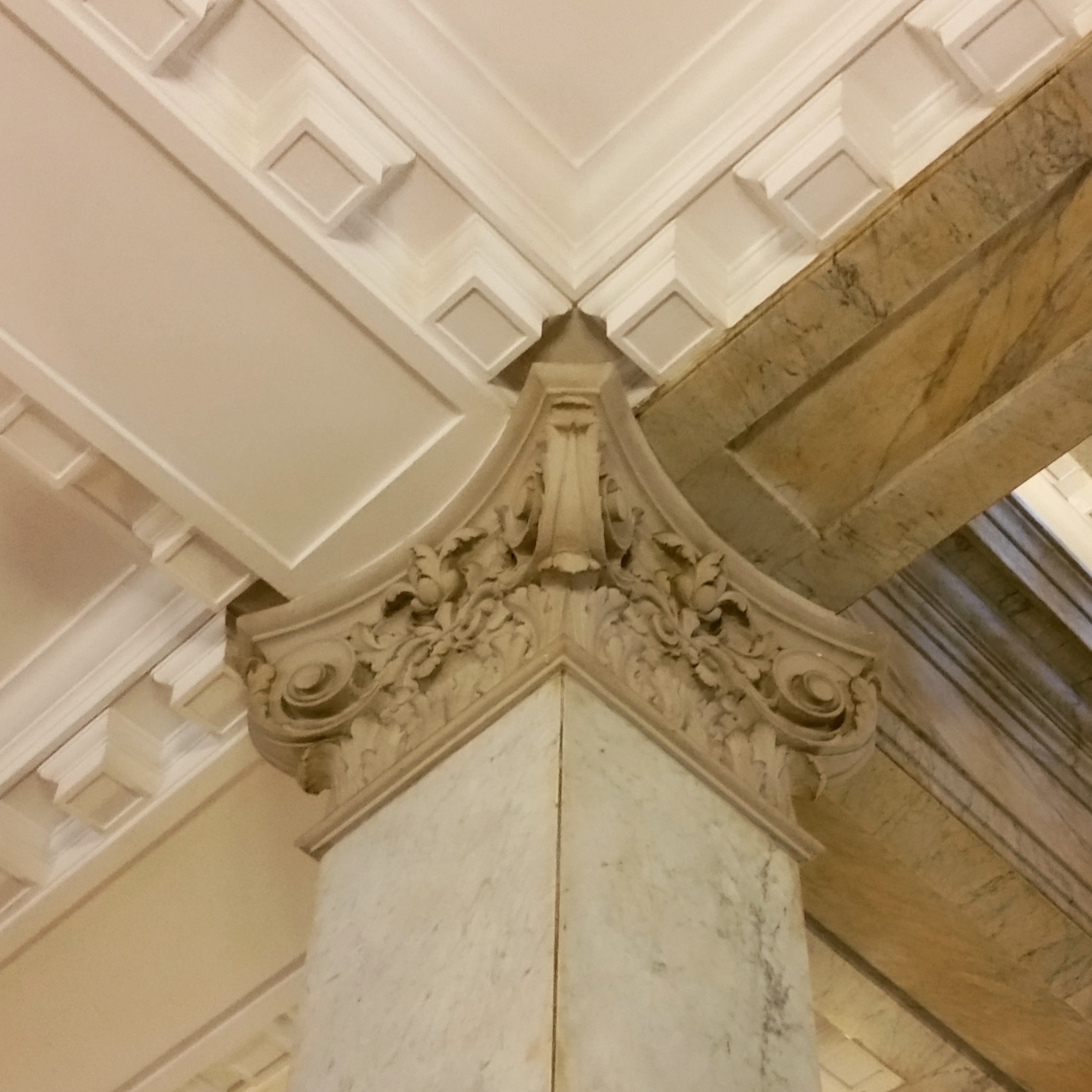
Toronto Old City Hall

Ontario Heritage Centre, Adelaide Street

Rosewater Room facade
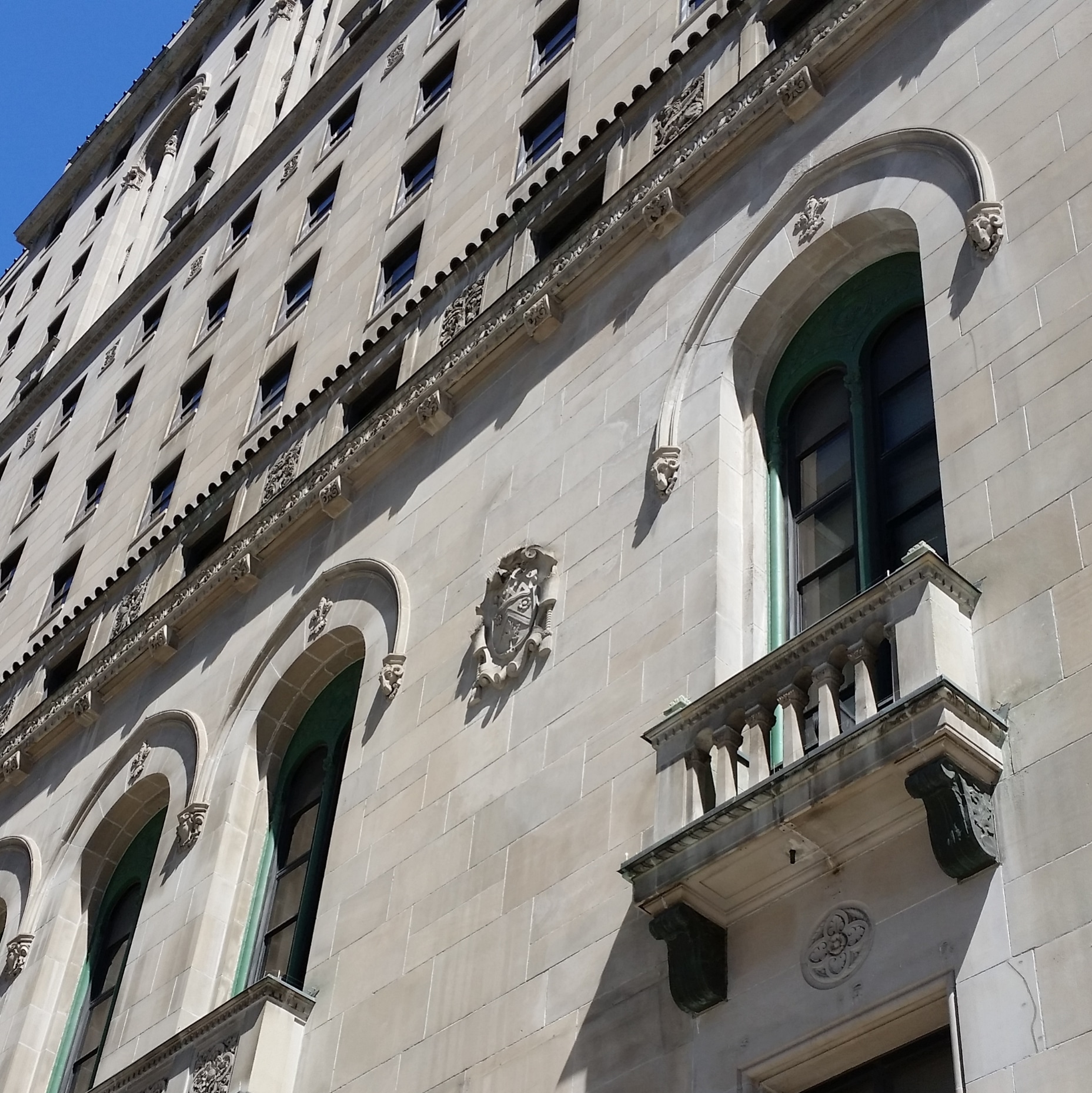
Fairmont Royal York Hotel
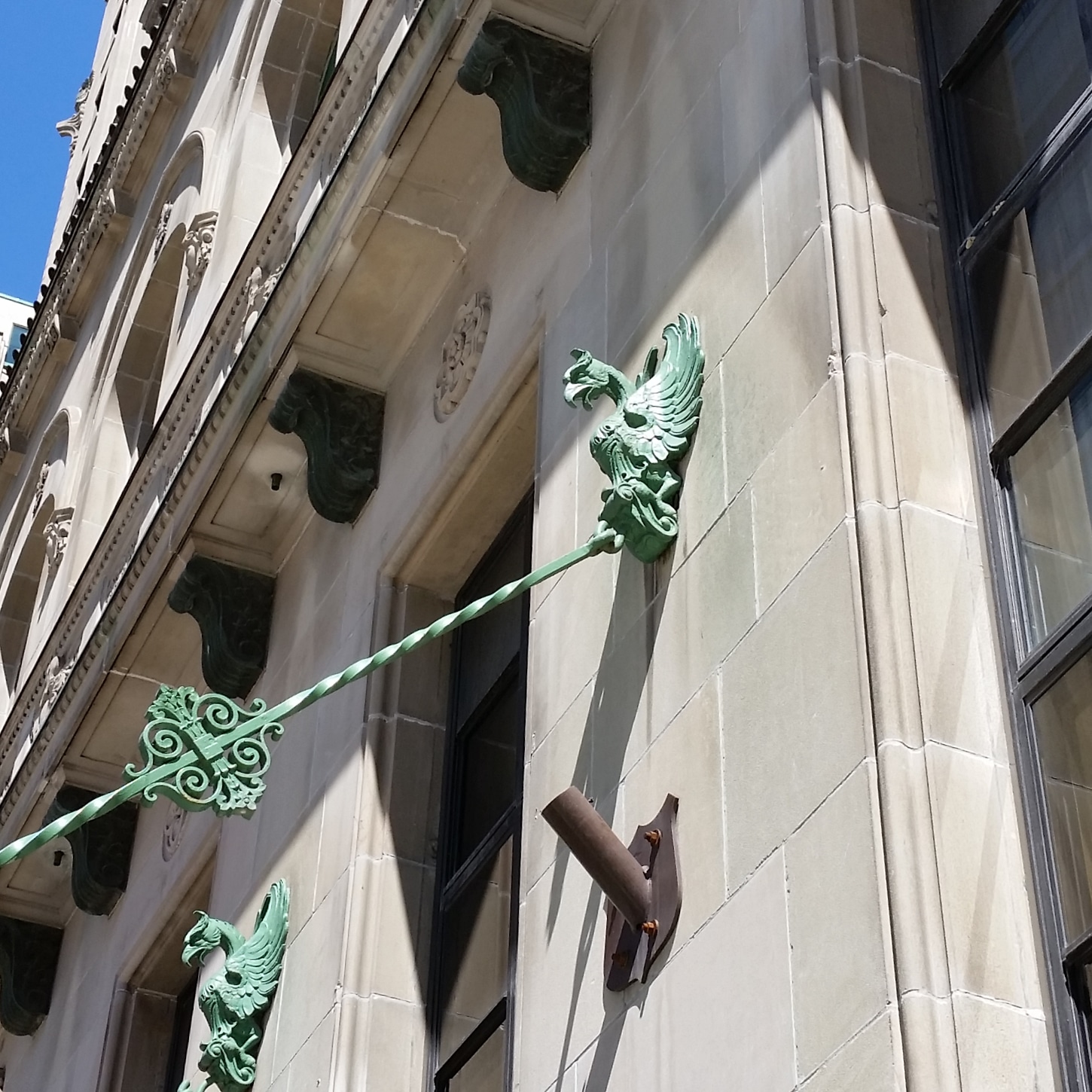
Fairmont Royal York Hotel
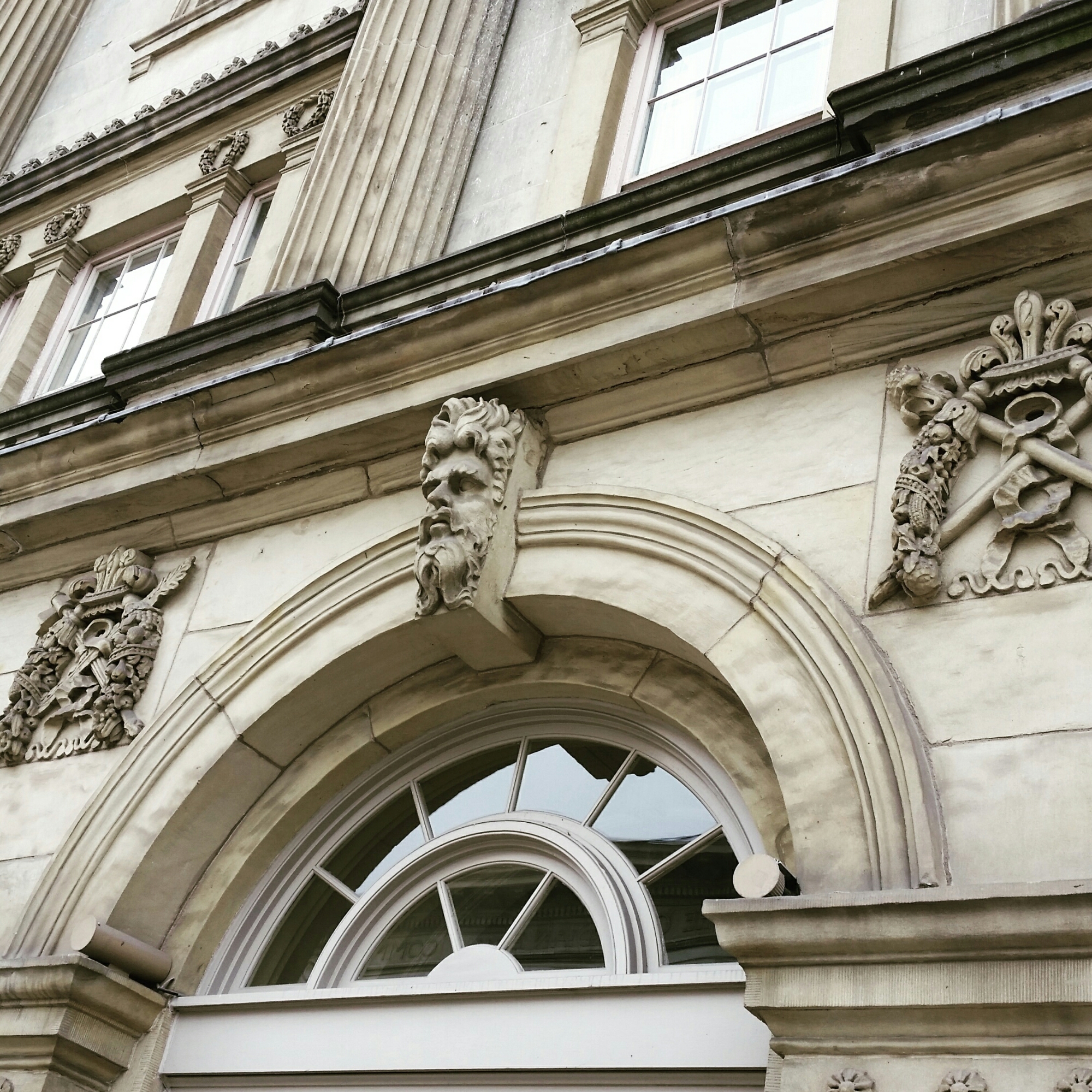
King Street East
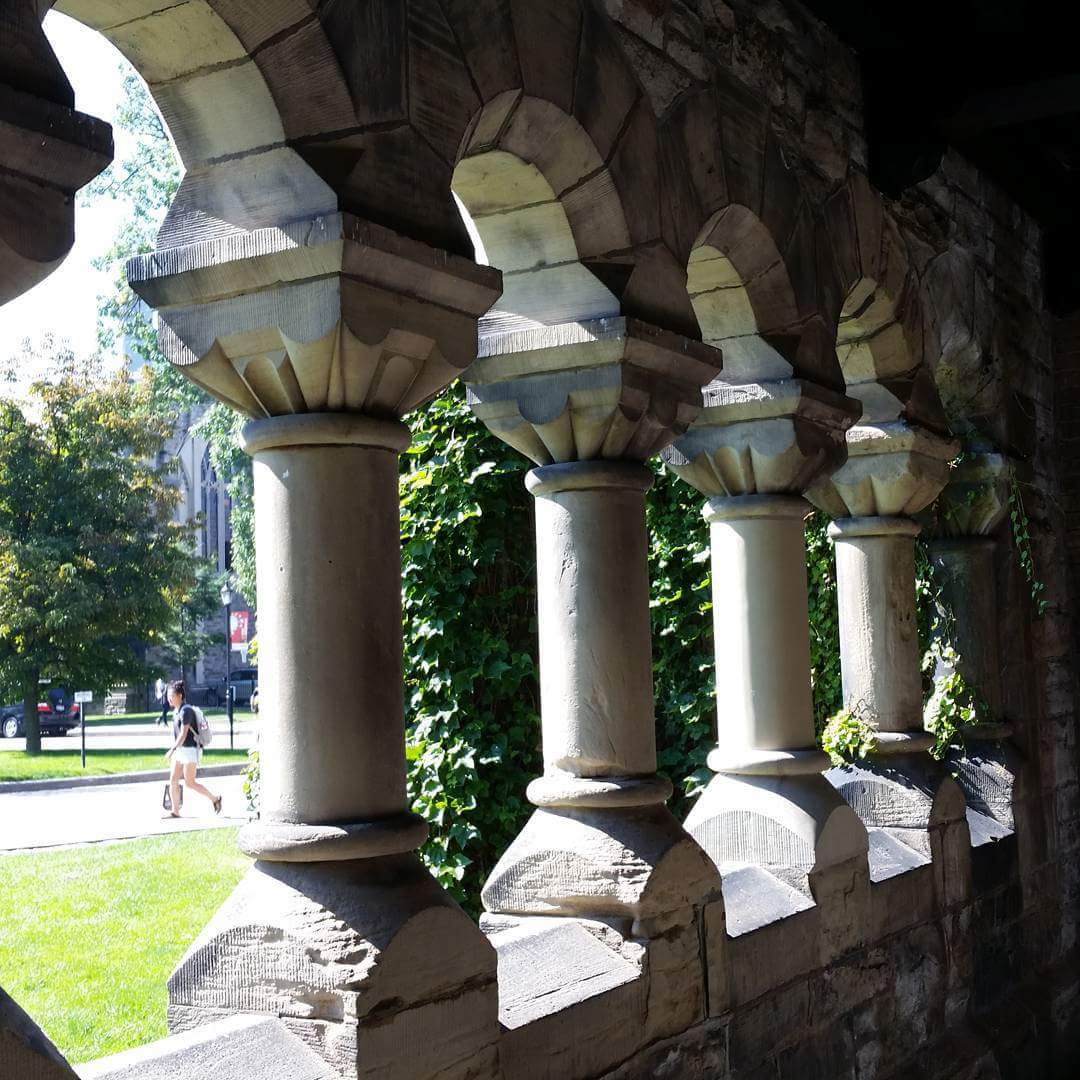
University College, University of Toronto
Philosopher’s Walk, University of Toronto
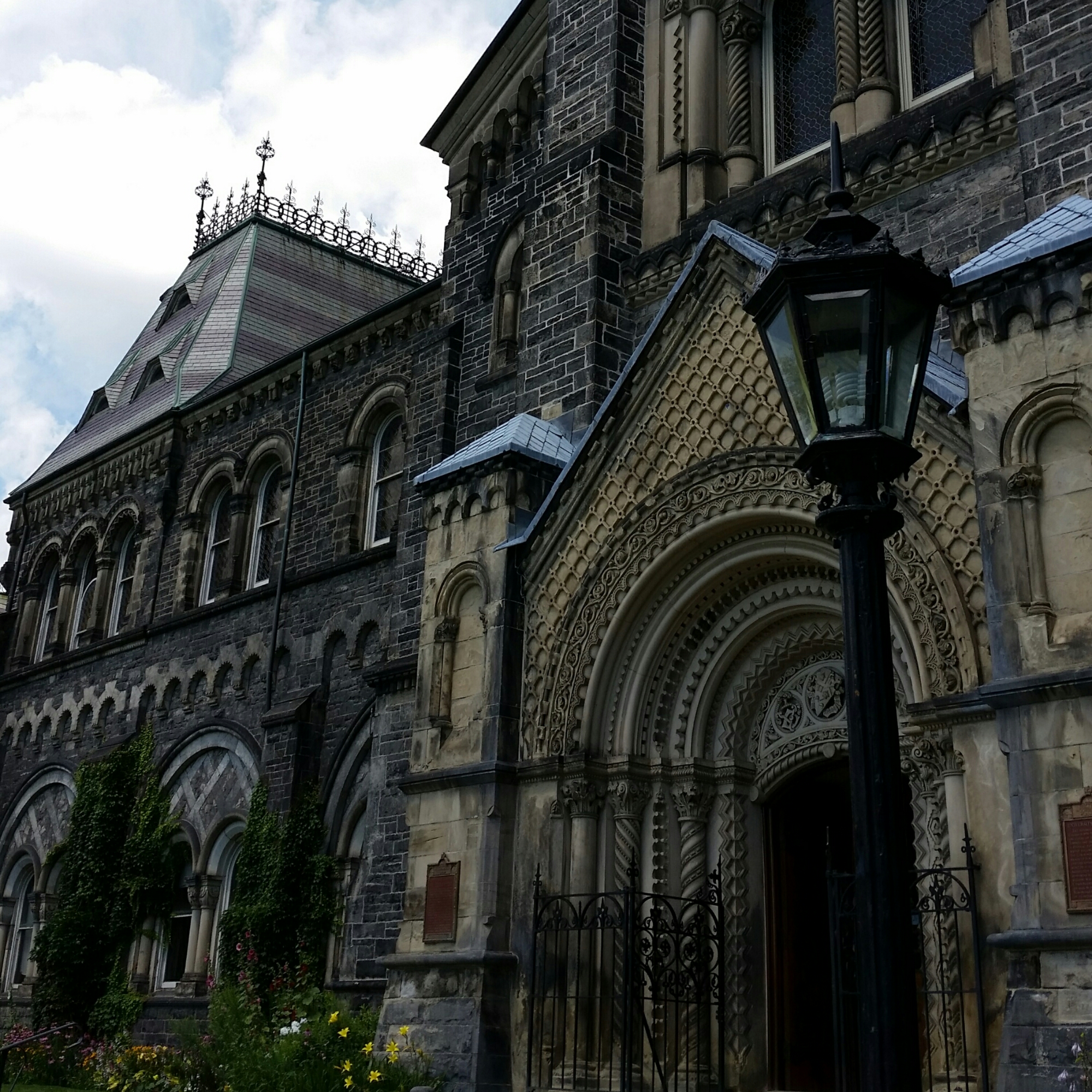
University College, University of Toronto
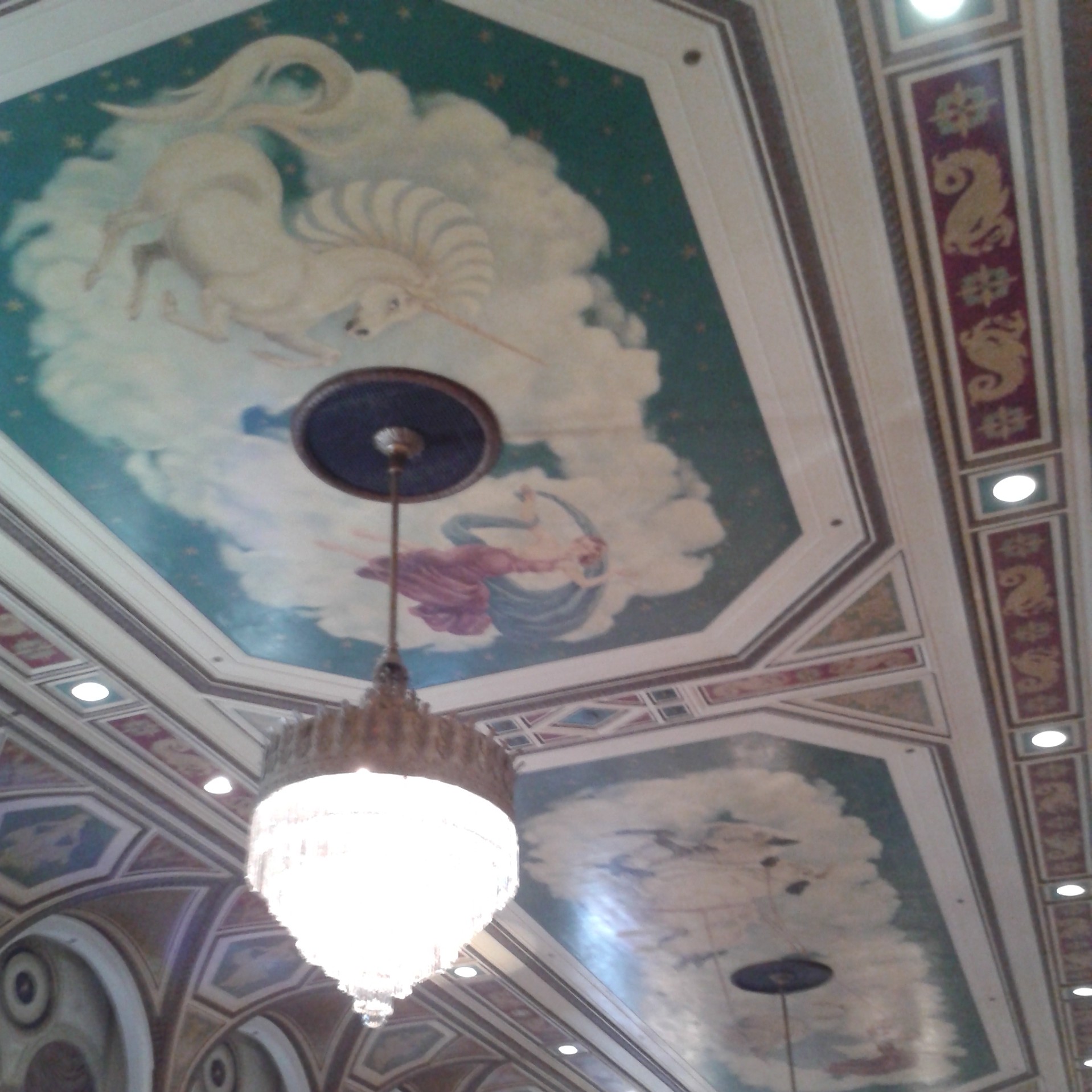
Ballroom ceiling, Fairmont Royal York Hotel

St. Michael’s College, University of Toronto

St Andrew’s Presbyterian Church
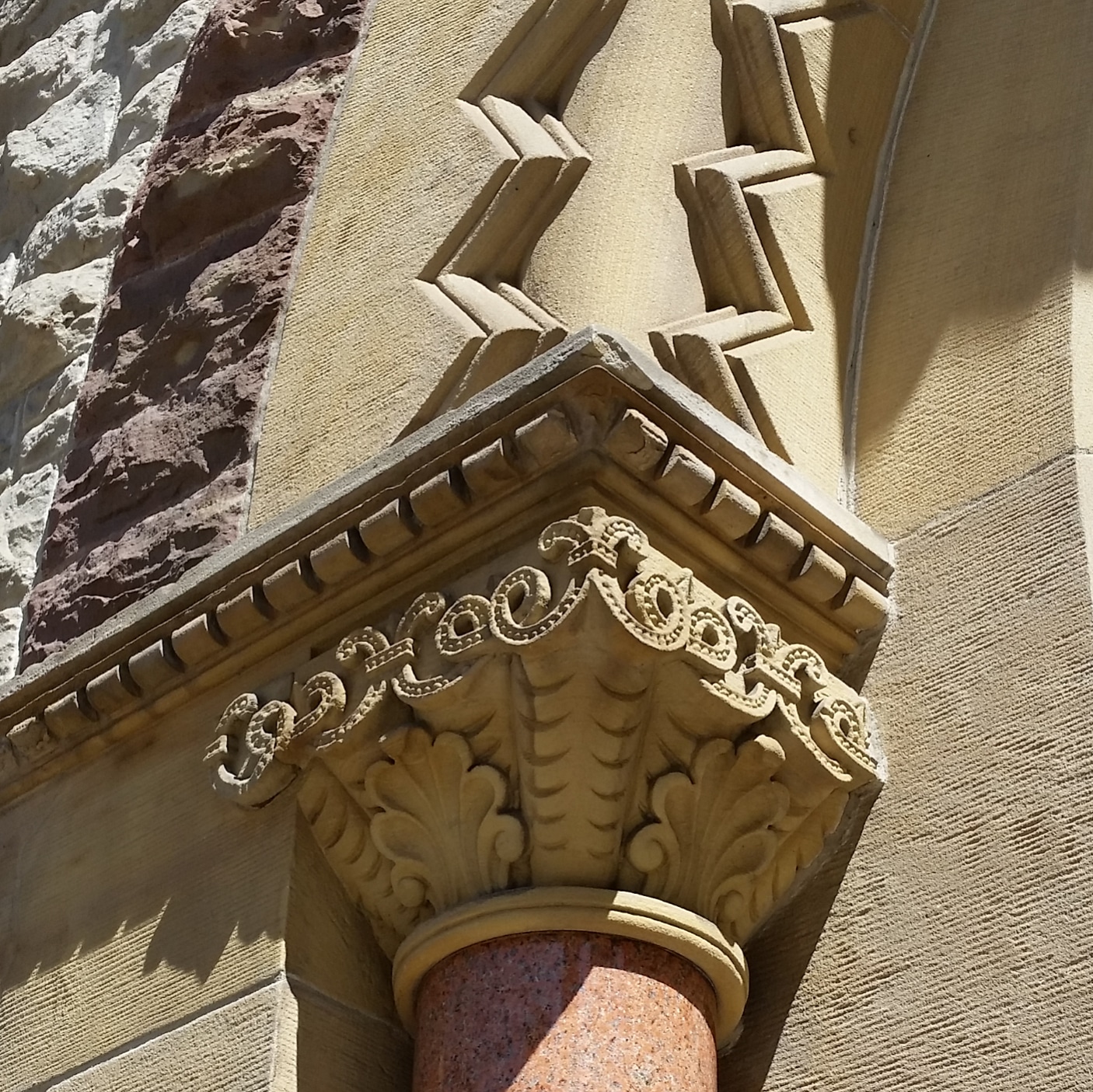
St Andrew’s Presbyterian Church
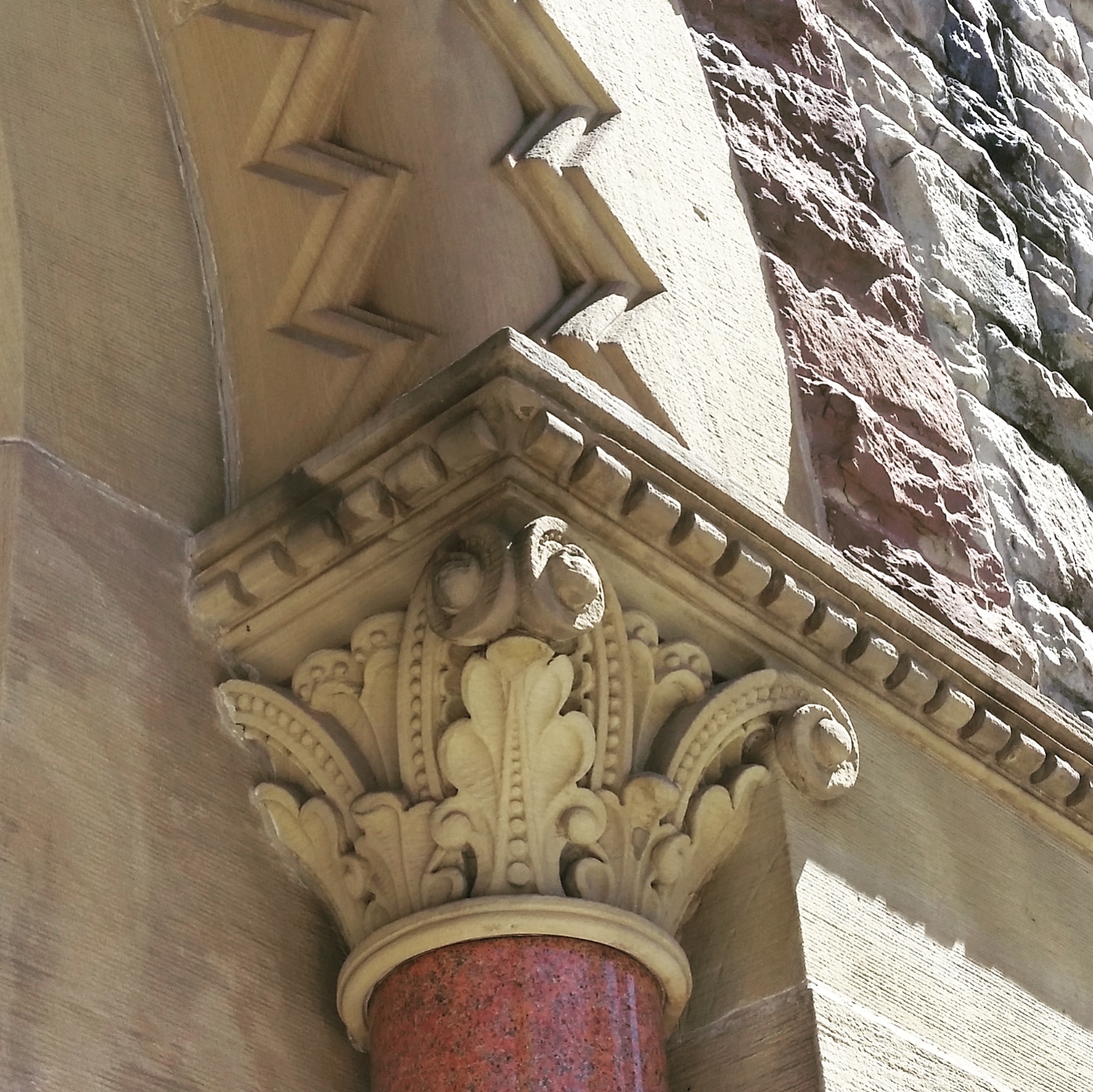
St Andrew’s Presbyterian Church
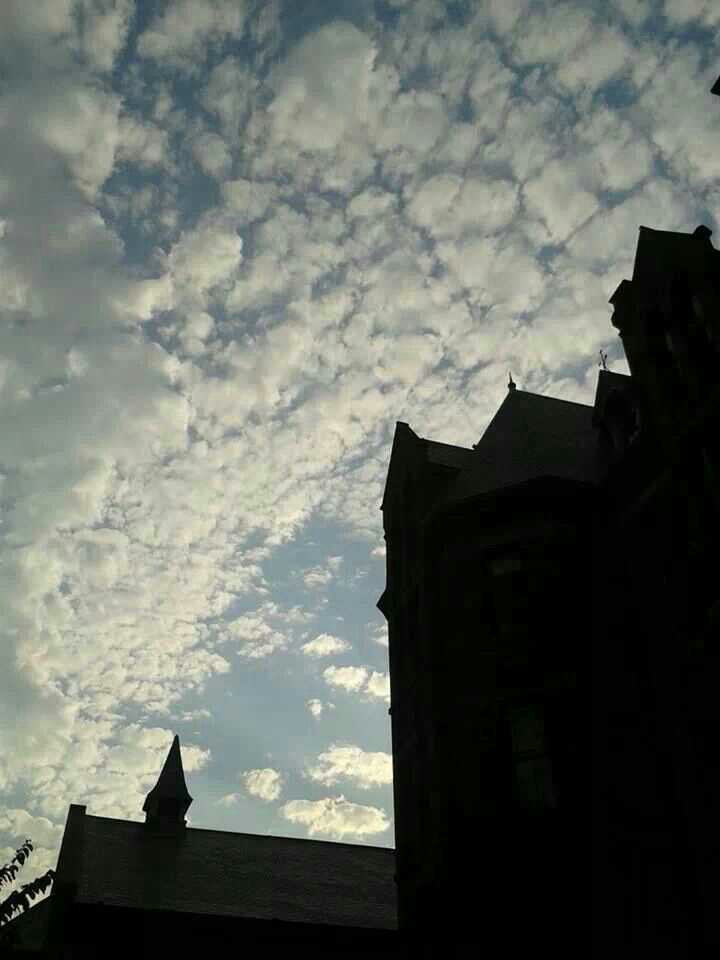
The Royal Conservatory of Music Castle in silhouette
An extraordinary exhibition. Hard not to fall in love in the presence of such beauty…
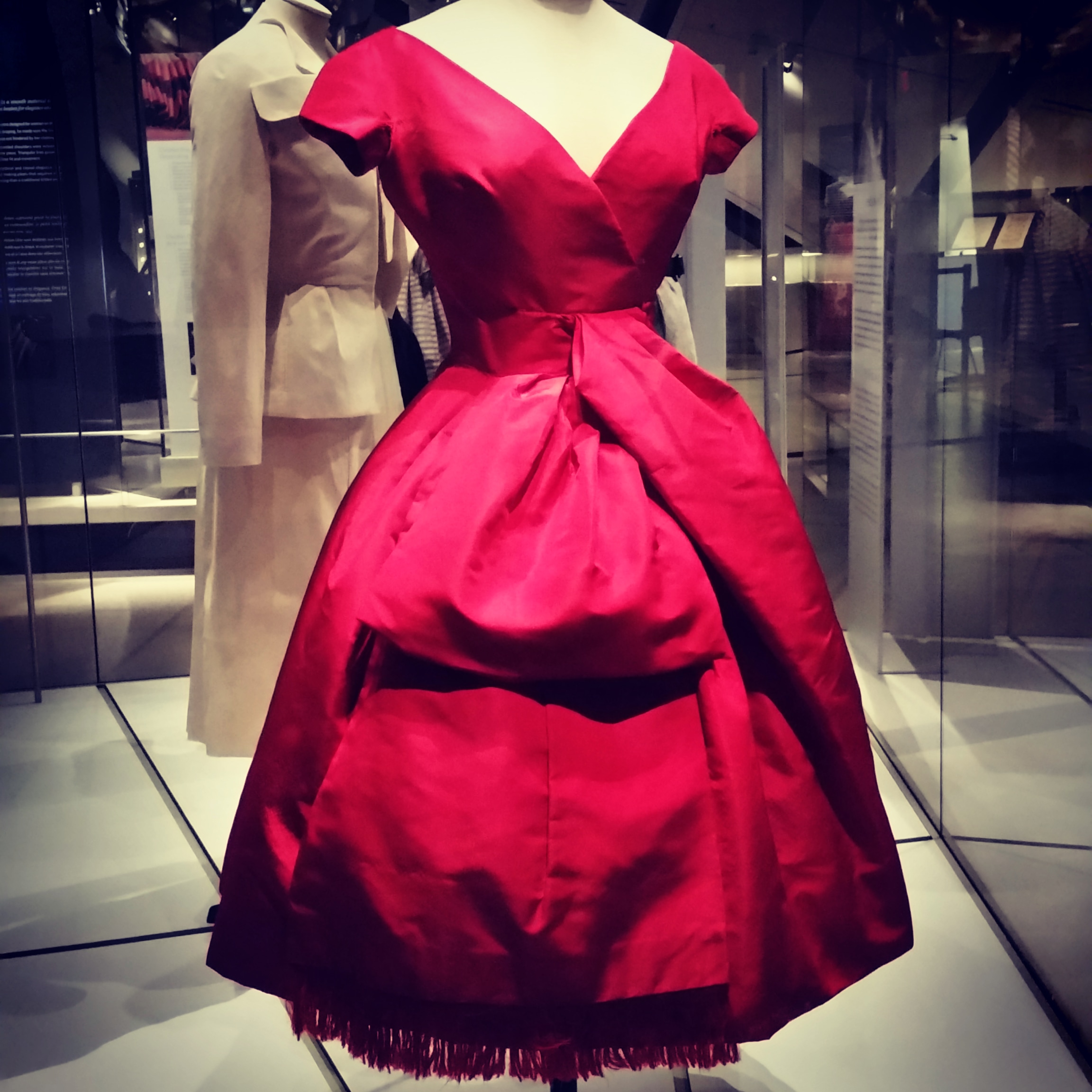
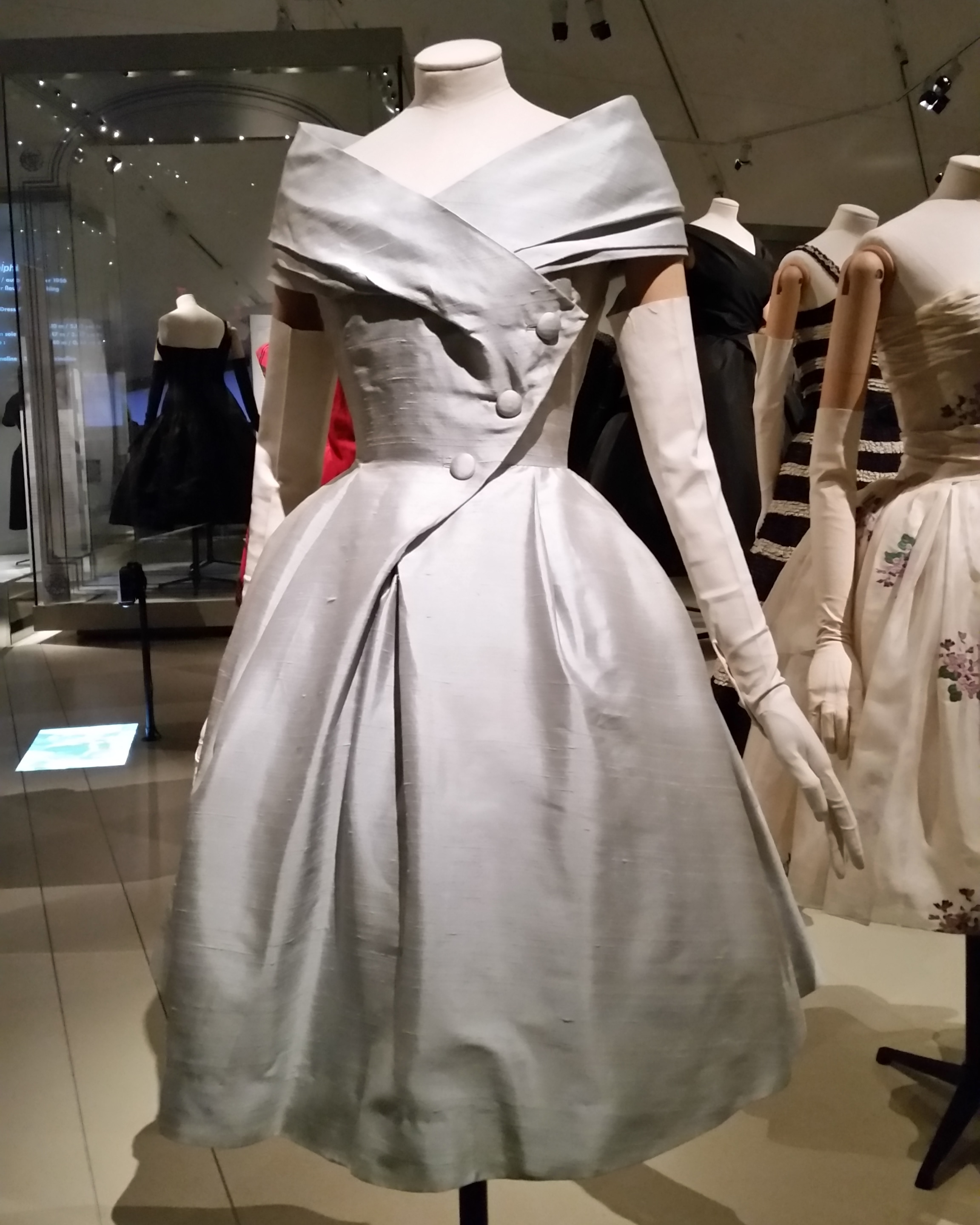
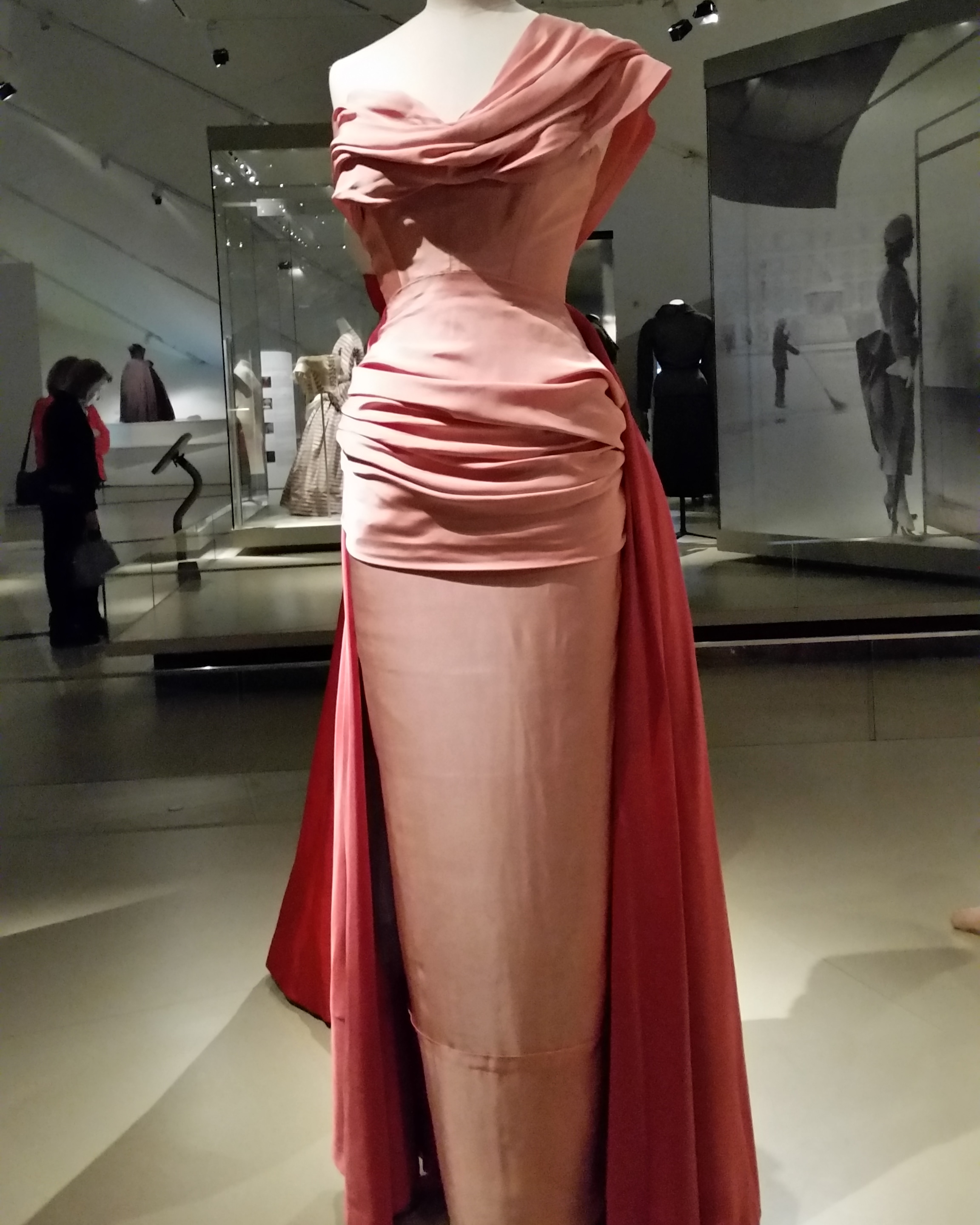
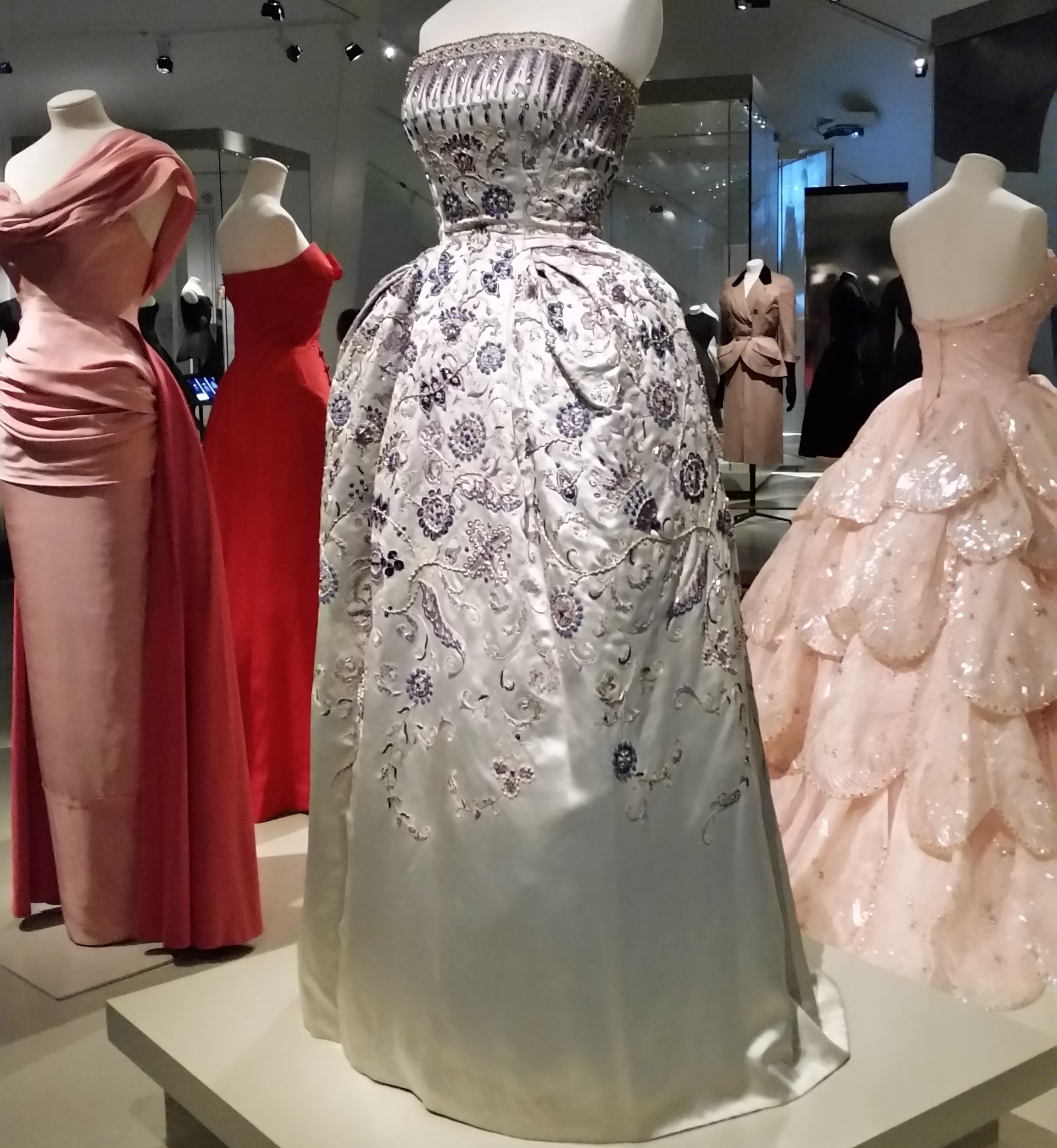
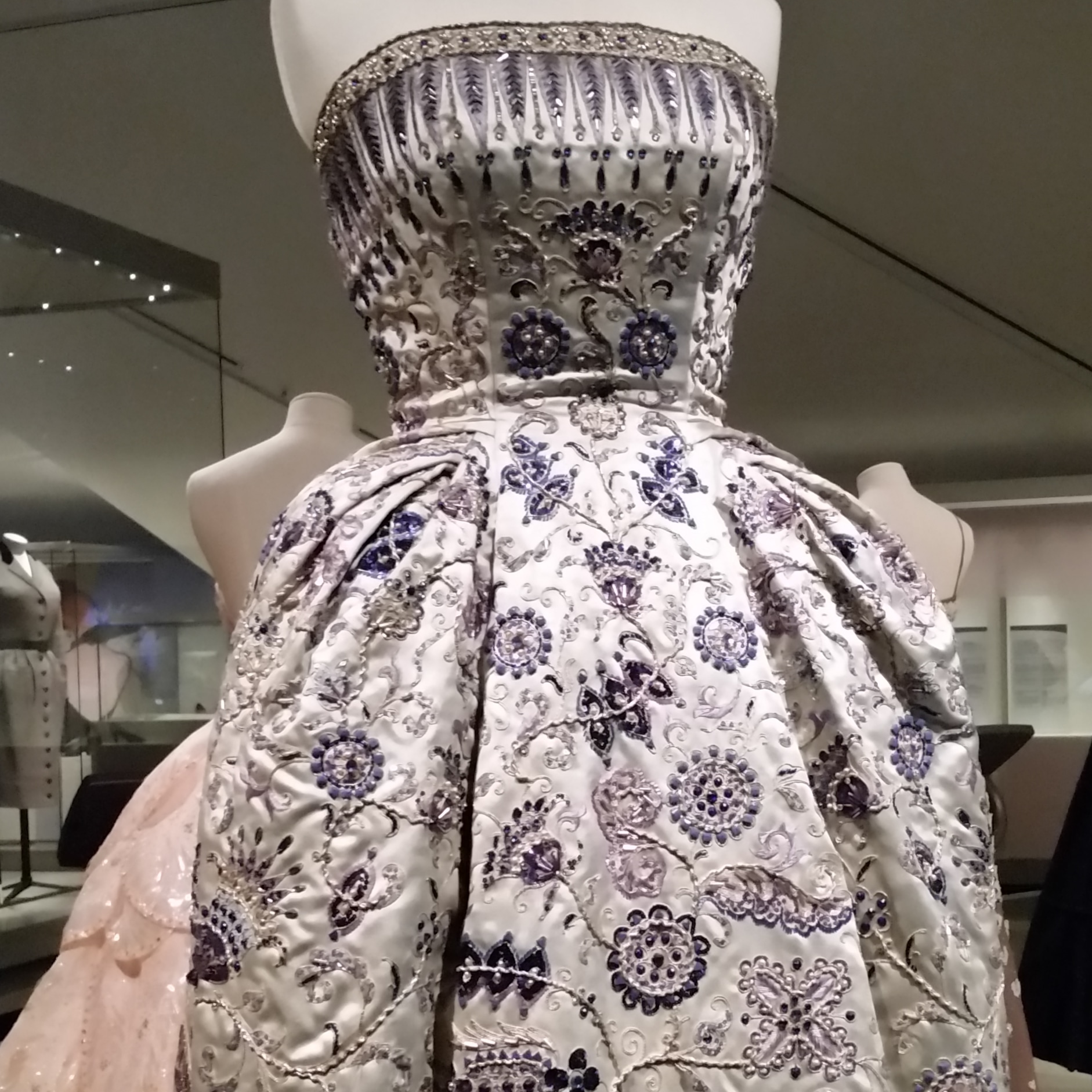
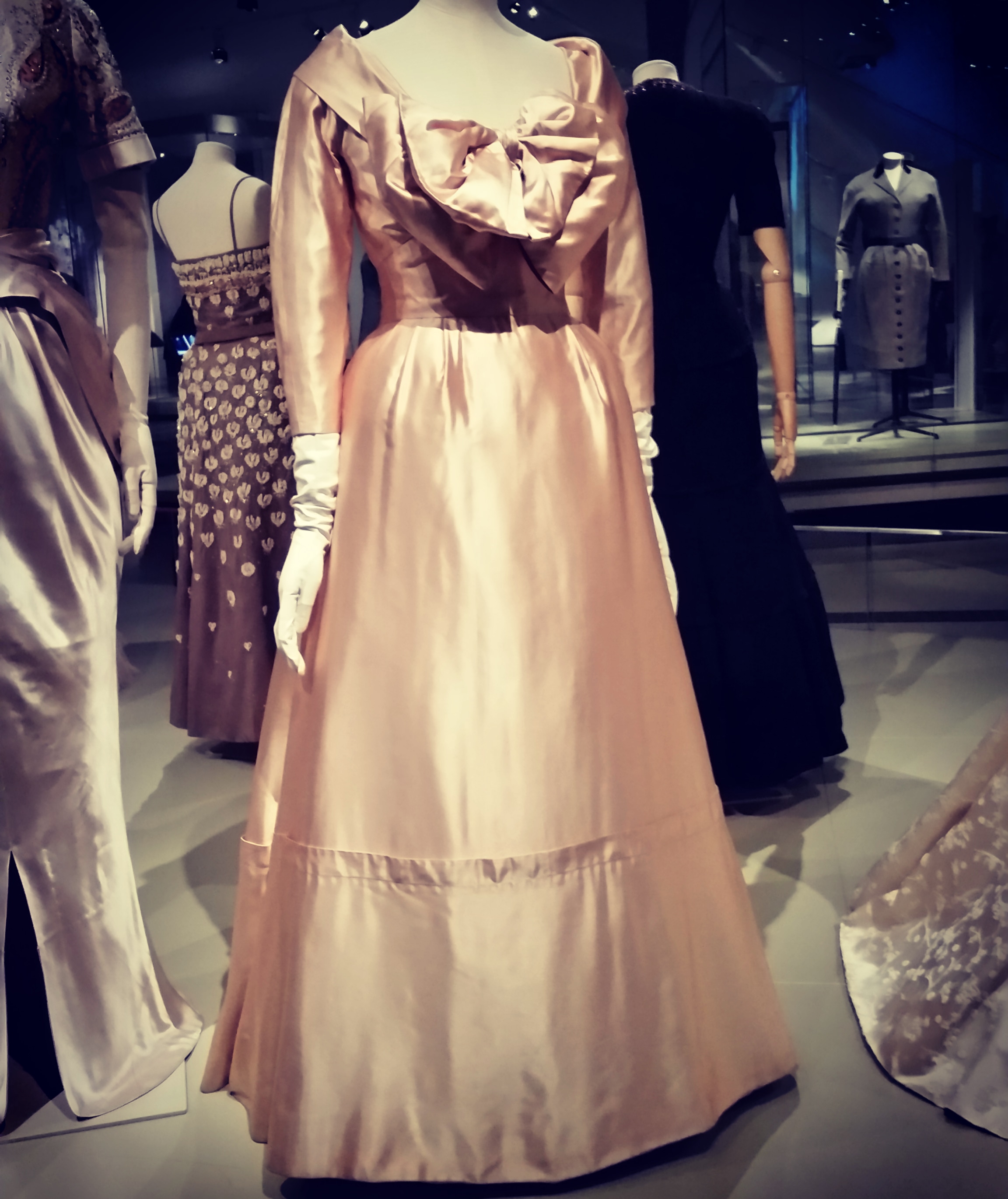
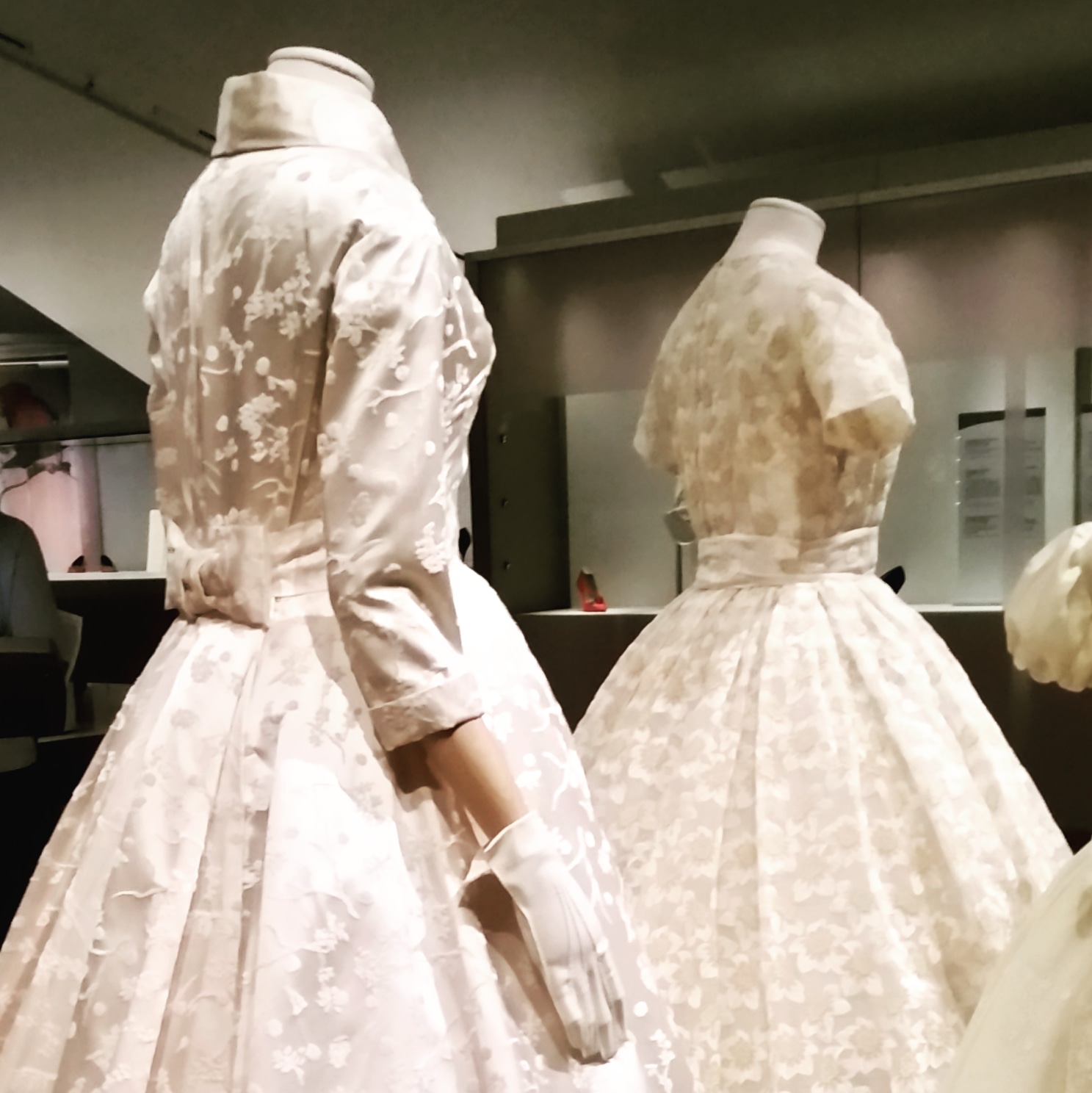
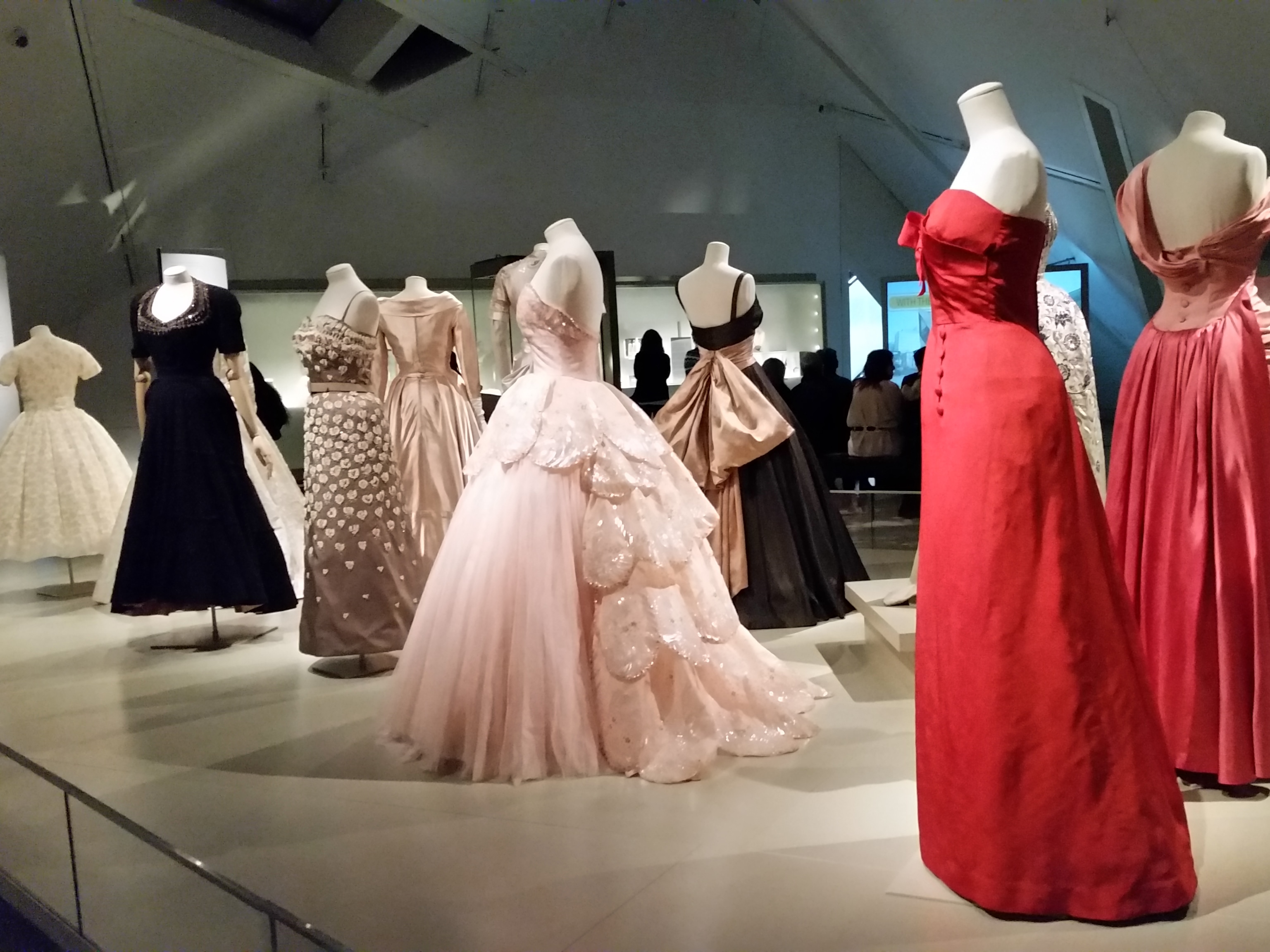
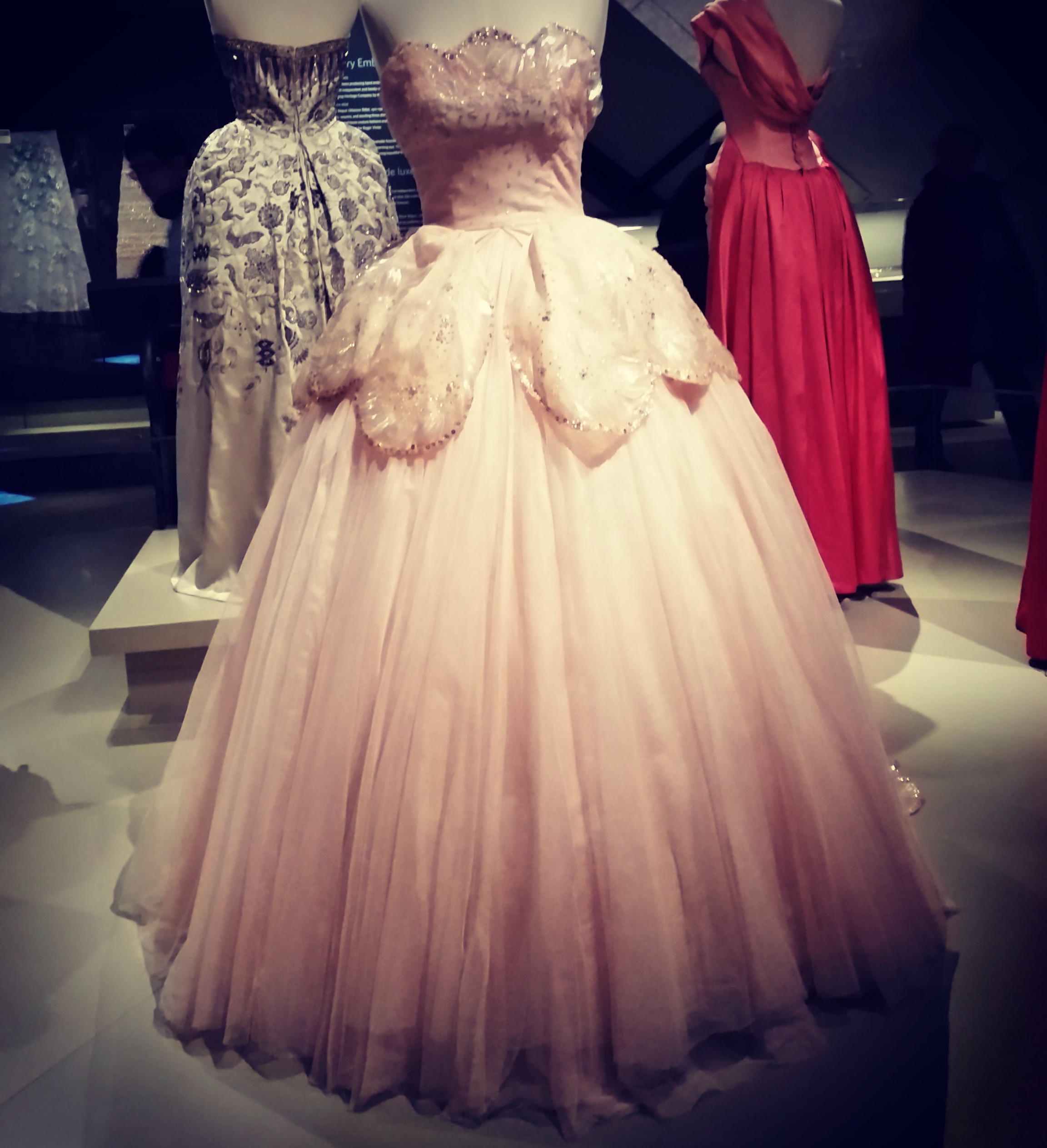
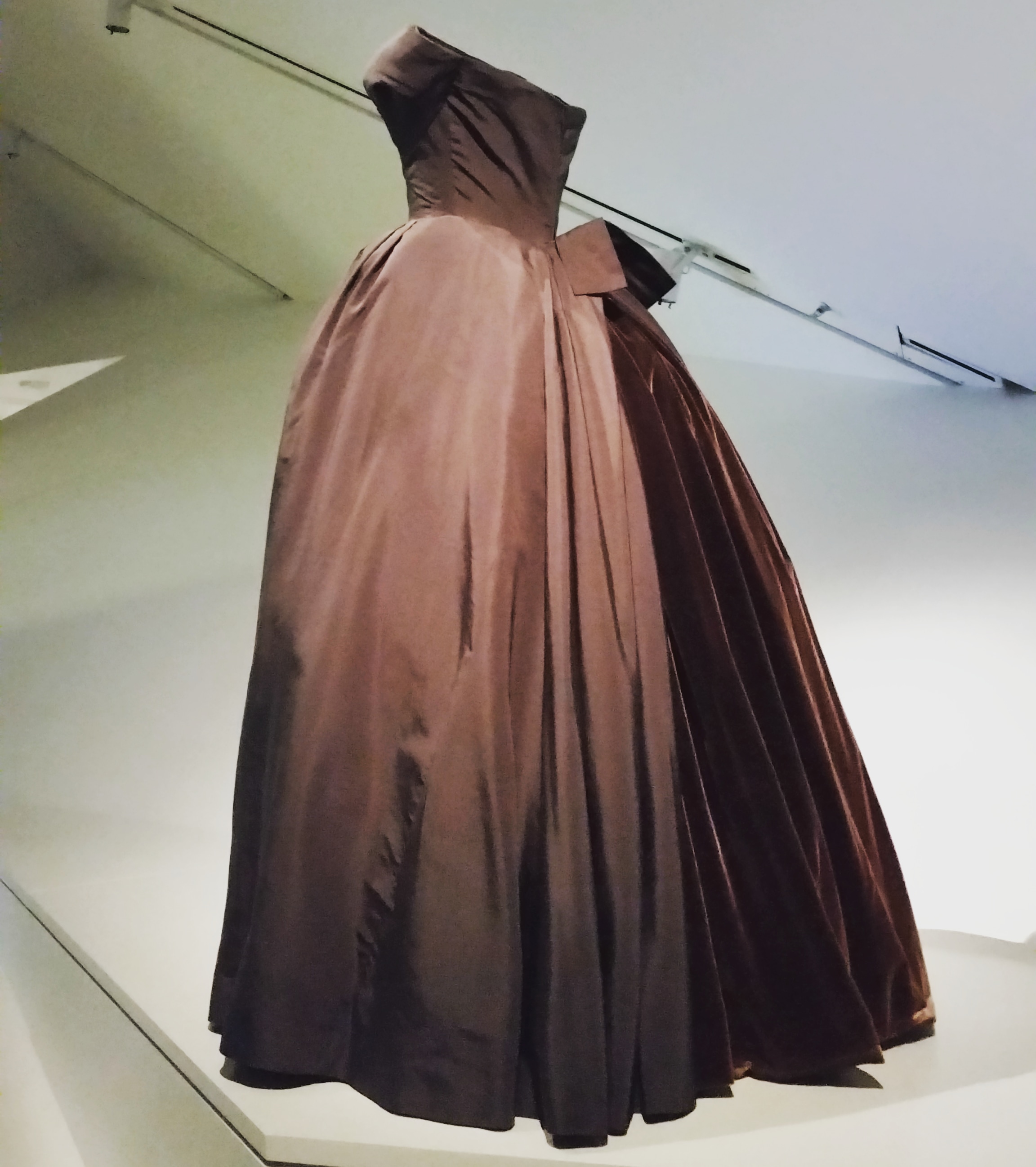
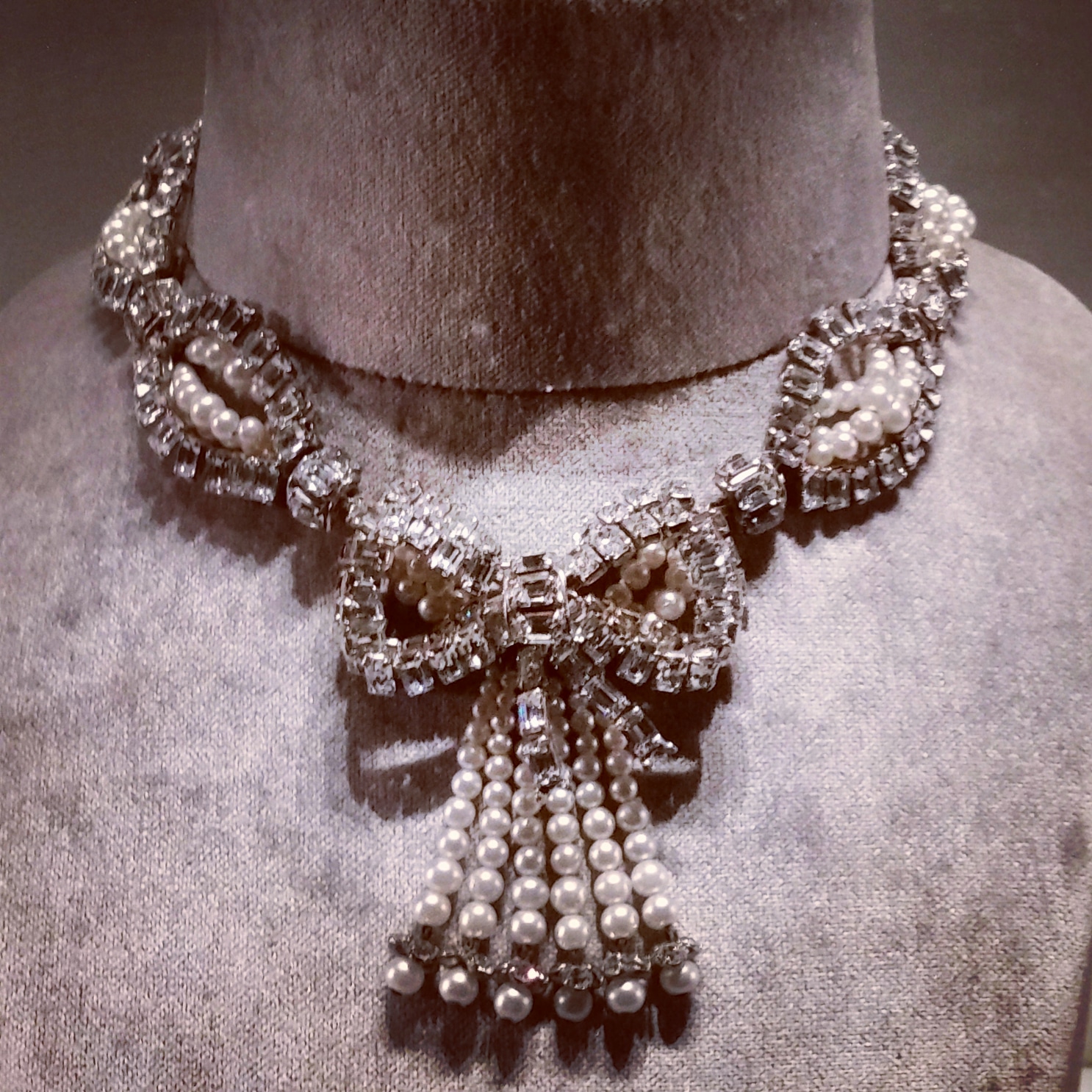
“As a rule, I would say use jewellery generously to get the most out of it.” (Christian Dior, 1954)
You interrupted
our pages of din
lines between stations
your words between lines
We leapt to judgment;
our verdict tension
And yet there it was ~
your ballet of hands ~
as graceful as dawn.

I really ought to put pen to paper and send some thoughtfully composed lines to friends. My handwriting, alas, has deteriorated significantly over the years. These days, I must concentrate to make my scrawl simply decipherable, let alone artistic, though mine never compared to the wondrous curves of one friend’s cursive or the modernist angles of another’s. The latter friend attended school in Switzerland when we were teenagers and I delighted in receiving her well-travelled letters, living vicariously through these chapters of her overseas escapades and eagerly awaiting the next instalment every few weeks. Her personality illuminated the lines on the delicate stationery, the tales coming to life as the blue ink cast a shadow through to the other side, now part of a cinematographic dream sequence in my memory.
Letter-writing has of course long been a literary and film device, with dramatic deliveries of news from afar, invitations to effervescent balls, or kiss-offs sealed dramatically with red wax, which, once broken, forever change the plot and fate of the characters. Imagine a Jane Austen novel without letters! It was the catalyst of understanding between Lizzie and Darcy, for pity’s sake! Or that heartfelt – though dreadfully late – letter of confession from Thomas Hardy’s Tess Durbeyfield to Angel Clare, which stays ominously hidden, quite literally kept under the rug, and becomes a clear harbinger of doom.
There is both a literal and figurative – and certainly tactile – difference in the nature of electronic communications that is dramatically less satisfying, even with stylized fonts. And indeed, a whole generation of young people has never experienced the exquisite pining wait for a piece of personal handwritten correspondence. Nor have they enjoyed the anticipation and elation of unfolding the stationery to reveal the physical beauty of the written word and the romance of the art that someone took the time to create just for them.
The idea of waiting for anything in this world of rapid-fire discourse is perhaps what is really at issue. We’ve become addicted to the immediate gratification of the latest buzz of electronic snippets. When I’m in a cell dead zone or my battery is out of juice, I sometimes feel the adrenaline shoot through me and the fear grow in the pit of my stomach that I must be missing something important, whether relevant to my existence or not.
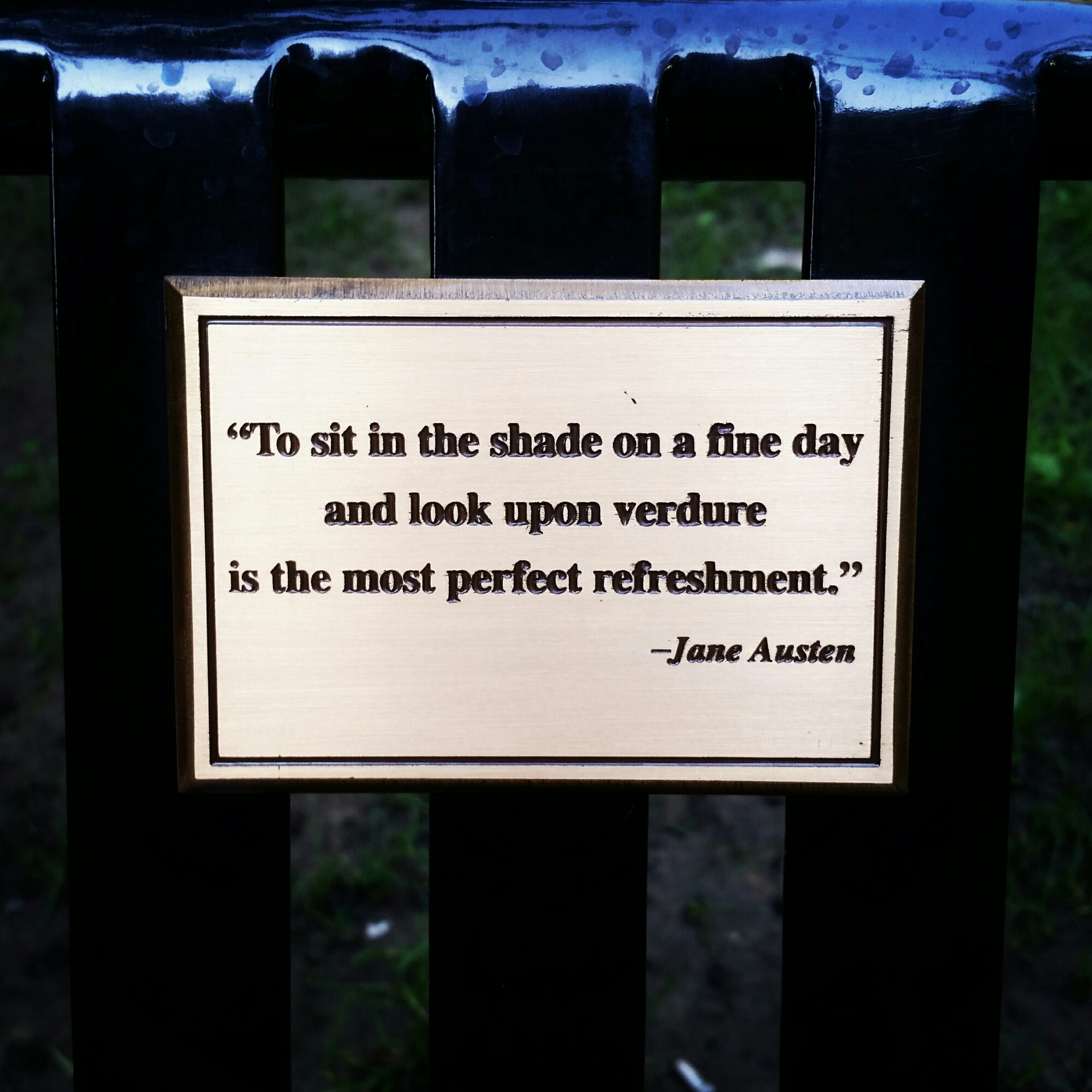
Eventually I succumb and put the phone away, defeated. Next time this happens, I hope that I dig out pen and paper and write a letter about it. Perhaps I’ll even do so in a park under a tree. I know of a bench that has a metal plaque with the apt quote: “To sit in the shade on a fine day and look upon verdure is the most perfect refreshment.” Yes, those are indeed Jane Austen’s words. Who better to inspire a letter?
The words of ancient poets danced and droned as they spun tales of delight and dread about gods and goddesses; fight, flight and plight. Legends were borne brilliantly through metaphors, dreamscapes and visions, illuminated by wit and wonder.
Language was precious then and remains precious now, but for different reasons. In this day of short attention spans and information overload, what place has poetry?
In our glut of words, we need to find a new efficiency; an essential epiphany. Those lines that stay with you – that provide the visceral, evocative, poignant and resonant meaning to create a lasting impression – are the essential epiphanies. This is how poetry can help us cut through the clutter in an art of language that creates understanding and connection.
Here, too, less is often more. It’s not about absence, but intensity; where themes and ideas are expressed through the eloquence of essential meaning. Here are a few reminders from 100, 200 and 450 years ago…


And one from me: Demarcation: A Riddle.