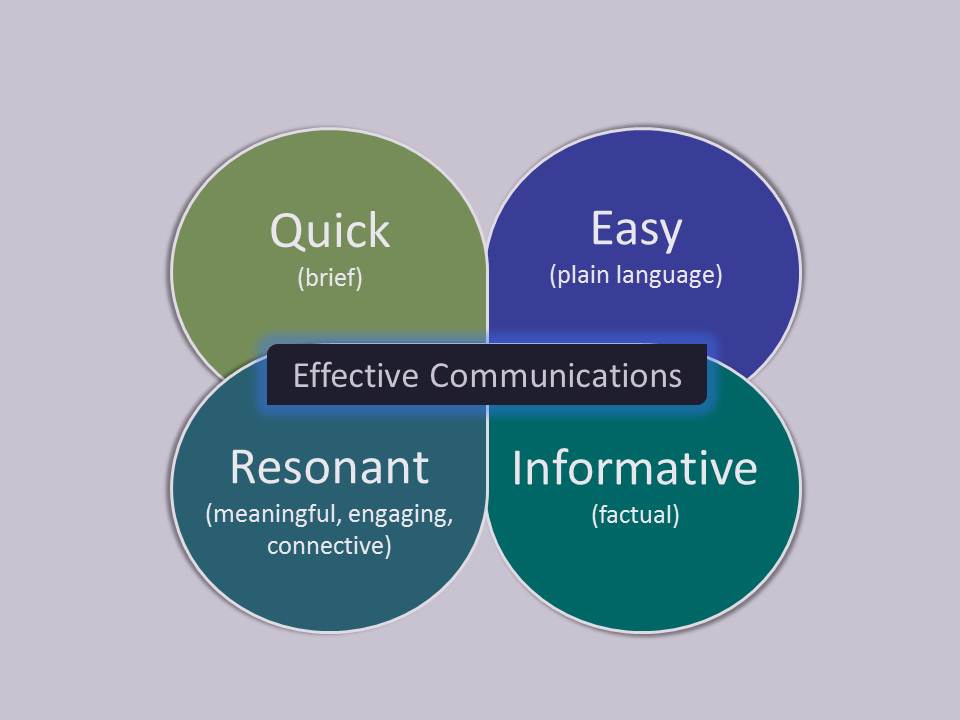
The formula for creating effective communications isn’t a big mystery. Achieving effective communications, however, takes effort. To be effective, you should aim to be affective as well. People want to hear about what matters to them and in a format that is quick (brief), easy (plain language), informative (factual) and resonant (meaningful, connective, engaging). Always keep these elements in mind when crafting content, but most importantly, get to know the nuances of your audience first.
Thunder Bay, Ontario, Canada
Yorkville view of Toronto’s dazzle
The best of the blues
Whatever happened to those perfect jeans? The ones for class as well as for going out dancing? Back then, the latter typically meant “bar with dance floor” and no glittery club apparel was required. They were the “boyfriend-fit” blues; found in vintage stores and worn by someone else’s boyfriend many times before I acquired them.
Nothing could beat those softly distressed darlings that fit with a gentle but firm hug of the hips, loose enough on the waist to require a thick leather belt, and relaxed through the thigh. They left something to the imagination – a key ingredient often lacking in fashion these days – but were still decidedly fetching.
The few contemporary versions that dare to come calling by the same name are either “destroyed” through machine-made rips or very poor replicas of the original. They are not the comfortable-as-pajamas, relax-by-the-fireside variety worthy of a soft drink commercial.
Contrast the jeans of yore with the super-skinny leggings type that sadly continues to saturate the market. These show-it-alls somehow manage to be tighter than a second skin and often create unhappy results (witness the pervasive force of the “muffin-top”). They are truly the most unforgiving garments known to woman. And on men? Oh, please, no.
There are boot-cuts, I suppose, but they lack sit-ability. If you want to be comfortable in these, you’ll be standing. But boot-cuts are still preferable to their predecessor, the mega-flared bell-bottoms wide enough at the ankle to trip over the fabric and barely breatheable everywhere else. If they were boyfriend jeans, they’d be Robert Plant’s in 1974. And it took some serious rock star-quality guts and glory to pull them off – and to get them on in the first place, much like the designer jeans that followed in the early 80s.
The procedure for fastening freshly washed designer jeans was as follows: while flat on the bed, hold in your breath, suck in your gut and apply a metal hanger to hoist the zipper. There was no stretch in denim then, and you had to “break in” your jeans like shoes. Heaven help you if they went too long in the dryer.
But the modern-day 180-degree alternative, o dread, is the high-waist “mommy jeans” style reminiscent of the late-80s fashion blunders some of us barely survived the first time around. Sorry, but no.
I took the debate to my friends and while there was lively dialogue defending boyfriend-fit and boot-cut, there were no passionate nods to the super-skinnies, bell-bottoms or mommies. One woman summed it up nicely, saying she simply wanted something that made her assets look their – uh – its best.
After a multitude of fruitless web searches and in-store disappointments, I followed the proverbial yellow brick road to a certain she-she denim mecca. And there, as if I were a jubilant Dorothy clicking her heels together, I found the way home to my old boyfriend: the “low-rise loose.” Not only are they the perfect boyfriend-fit jeans, they are stonewashed to the point of feeling like silk – silk pajamas, that is. And I’m dancing again, even if it’s just around the kitchen.
A precarious tango
I have great respect for Mother Nature, but I’m not sure that it’s mutual. Opining about my weather nemesis is a favourite pastime. I sometimes tempt fate by mocking her whims, always lured back into a precarious tango where I think I can outwit her. Given her many life lessons to date, I really should know better.
First of all, there is not always method to her madness. It can be raining in the backyard, but sunny in the front; and if you take your umbrella, it won’t rain but if you leave it at home, it will. Thunderstorms have always been her preferred teaching tool with me, especially for lessons of the look-but-don’t-touch variety.
On the small, suburban street where I grew up, nearly every house has had some kind of damage from thunderstorms. Lightning strikes obliterated chimneys, cracked windows, blackened walls, fused dimmer switches, blew electrical outlets, and toasted a truck load of television sets. I observed the frayed nerves of the adults around me and learned to heed the watches and warnings, but sometimes the hubris of the young results in a little defiance.
In third grade, a late spring storm threatened just as the school day ended. My friend and I were determined to beat it home on our bicycles. We’d just unlocked them when an incredible array of lightning erupted. Tearing back inside, we told people we’d seen a fireball in the sky. They thought we were exaggerating until they examined the melted plastic casing on the chain of my friend’s bike lock. It had been around her neck at the time.
A year or two later on an overnight excursion from the main camp, my fellow campers and I held tightly to our sleeping bags as a relentless storm raged all around our droopy canvas tent. And then it hit, shaking the ground and evoking screams from every last one of us. A park ranger evacuated our group to the control station and we shivered together until the camp bus arrived. The next day was spent claiming our waterlogged belongings, sock by sock and shoe by shoe. Legend has it that lightning struck ground within a stone’s throw of the tent.
As a teenager, I played a fair bit of soccer. One weekend tournament was plagued by an unstable air mass with high winds. Just before a game, an eerie calm settled in but distant thunder could be heard. As the referee contemplated what to do, we all started pointing and laughing at each other as our hair stood on end. The game was called and we made it to shelter just in time. We had no idea how close we were to a sudden-death result.
In my 20s, a friend and I experienced a bizarre meteorological phenomenon while vacationing at a cottage. Just as a thunderstorm began, a softball-sized fiery orb appeared a few feet outside the sliding glass doors and then exploded. We hit the deck with ears ringing, shaken but unharmed. For those who doubt the existence of ball lightning, I can assure you that it’s real.
And then last summer, during one of those “special weather statement” kind of days, I glanced out the window to check on the band of storms sweeping through the area. The whole western sky was filled with astonishing cloud formations, lit from the outside in by the emerging sunset behind the dissipating front. Captivated, I went outside for a better look. After several minutes of staring in awe at the dramatic beauty, I noticed my next-door neighbour doing the same thing.
“You don’t see that every day,” he said.
I nodded, smiling.
Long-drawn
First Waltz of Spring
Renoir sky
From learning curve to full circle
Lifelong learning has become a mantra of modern existence, whether to explore passionate interests or enhance workplace skills. Once you hit the mid-career mark, however, it’s increasingly difficult to find good, useful and affordable professional development. Rare indeed are the one- or two-day sessions that actually deliver on what they’re advertising in a practical, transferable way. If not immediately applied, even the most promising models or tools quickly lose their lustre and become the latest additions to that one credenza drawer dedicated to conference swag.
Some argue that these events are more about networking anyway; if so, they should be developed and marketed with agendas better designed for mixing it up. Participants would need to know that ahead of time, of course, so they won’t be peeved that they can’t sit with their work chums and talk about what’s going on back at the office.
But changing organizational behaviour is tough. Early in my career, I had the chance to learn from a business strategist during a major re-engineering project. Through dogged prompting of other options and teasing out of risks, the naysayers were redirected by first-class change management until everyone heeded the boarding call. I admit to my own reticence when first hearing about tactics from their prestigious education, but I applied some of them in later years myself.
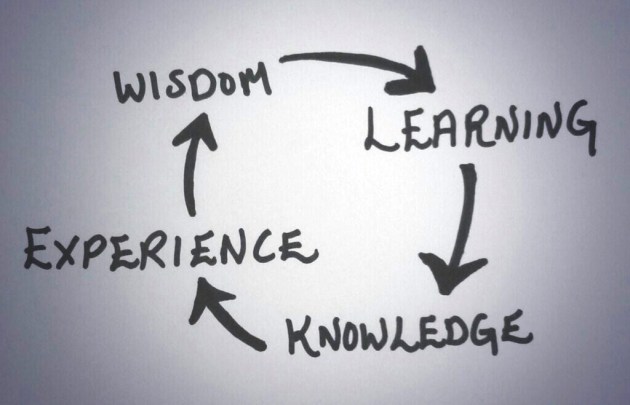
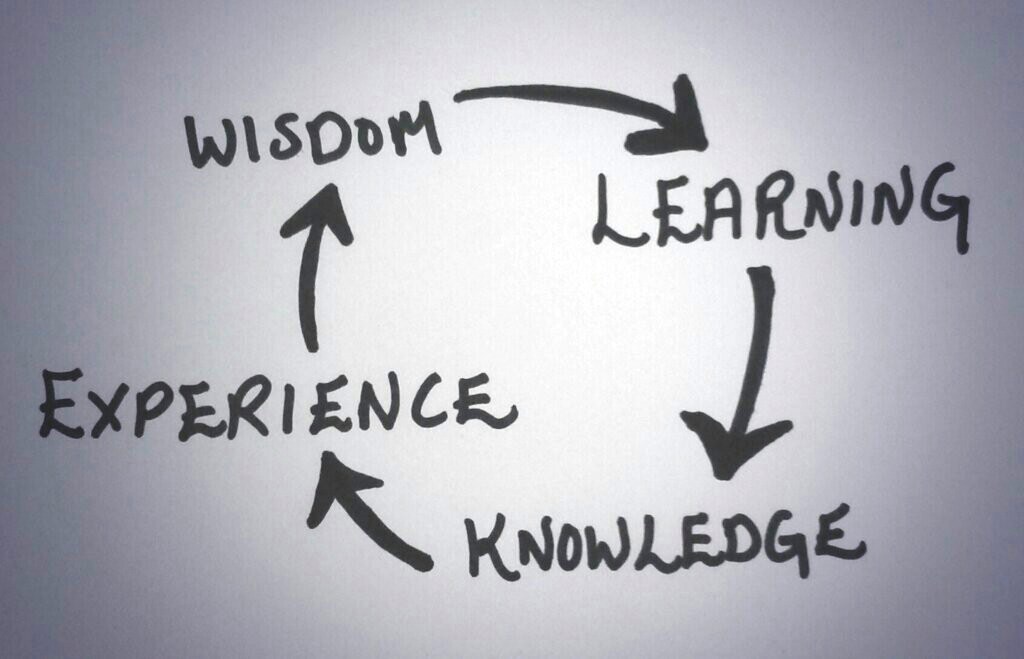
This kind of on-the-job learning, gained by observing and then doing, can be ideal. While you might not know all of the theory behind a certain technique, there is definitely an osmosis factor. Then knowledge turns to experience and wisdom through trial and error, exposure to new people, projects and environments, and zigzagging between roles and sectors.
We all hit the change-weary wall at some point though. I strongly resisted the digital-age machine until I felt the fear of falling out of step. I dove in headfirst, immediately hooked by the snappy headlines and instant gratification of new information. Nevertheless, the superfluous volume of content, along with the repetitive strain of clicking, thumb-typing, sweeping and scanning, made me long for a way to cut through the ambient noise and ambiguous discourse of digital-age mass communication and marketing.
Through a splendid stroke of serendipity, I saw the link for a certain MOOC (massive open online course). MOOCs are designed to connect interested learners with university courses offered at a variety of institutions – complete with lectures, tests and discussion forums – and free of charge other than the investment of your time and energy. You don’t earn a credit per se, but the value proposition can be high.
Critics of these programs note the tension between traditional brick-and-mortar classroom teaching and the so-called impersonal, anonymous online environment, citing issues of depth, quality and other factors both tangible and intangible, such as completion rates. But here’s the thing: MOOCs are ultimately a complement to formal in-class learning, not competition for it. There is a time and a place (and an audience) for both. Further, MOOCs are a safe way to try on a subject area without the drastic financial and life commitments that formal programs entail.
I found the materials in the MOOC I took to be highly engaging, the format readily accessible and the professors absolutely top-notch. There was also a vibrant and diverse community of students actively sharing, debating and connecting. I had to study, once I remembered how, because the quizzes and final exam very much tested whether or not you were paying attention “in class”. But I could immediately apply what I learned – some of the principles even as I was learning them – making the overall experience more beneficial than the aggregate of all of the brief professional development seminars, workshops and conferences I’ve attended over nearly two decades.
Ironically, the sponsoring institution for my course was the same school as that attended by the business strategist who wowed me early in my career. Now there’s a virtuous circle of learning if ever there was one.