There are many splendid architectural creations in Toronto. Here is a small sample of some of my favourites…I think it’s clear that I’m a proud University of Toronto alumna!
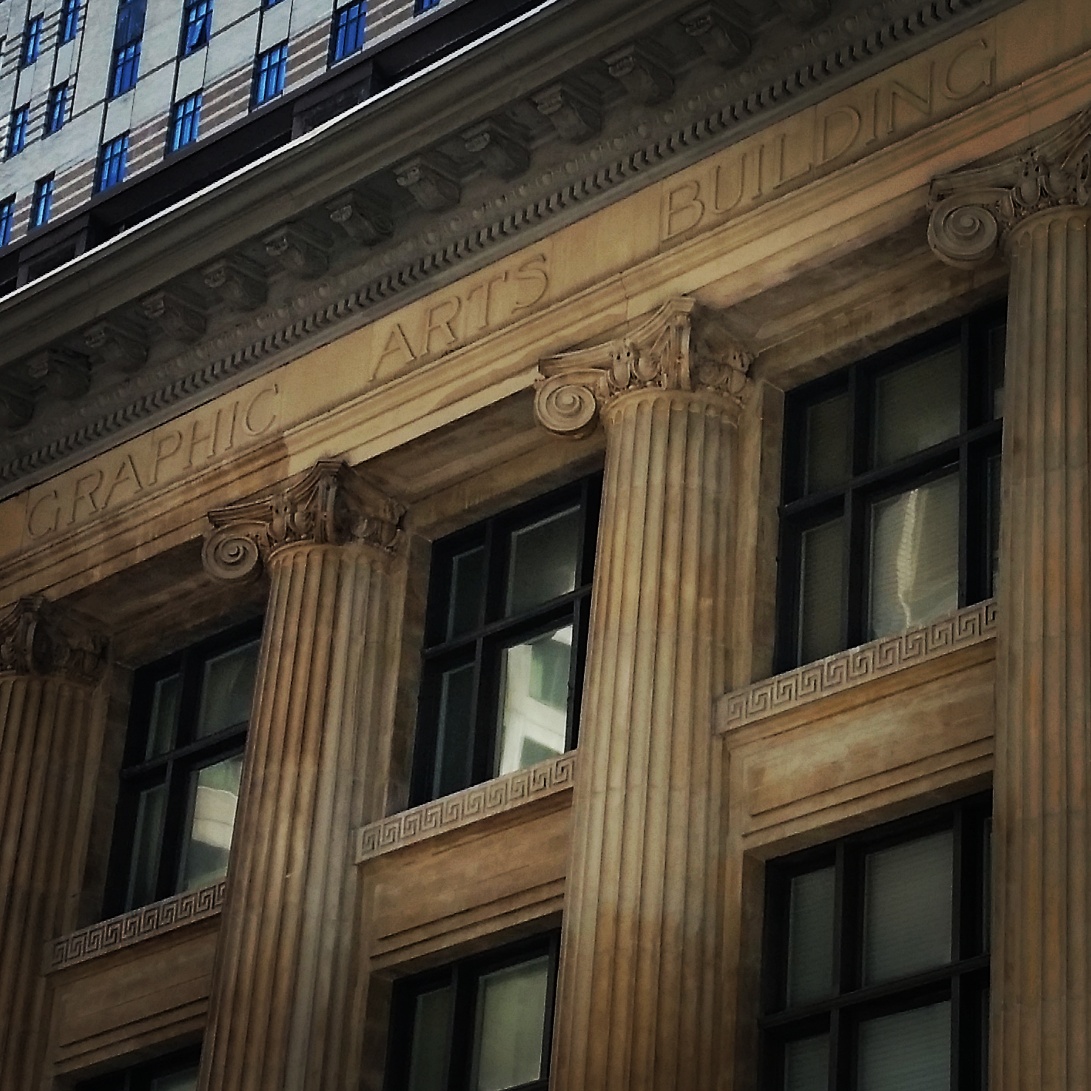
Graphic Arts Building

Toronto Old City Hall Clock Tower
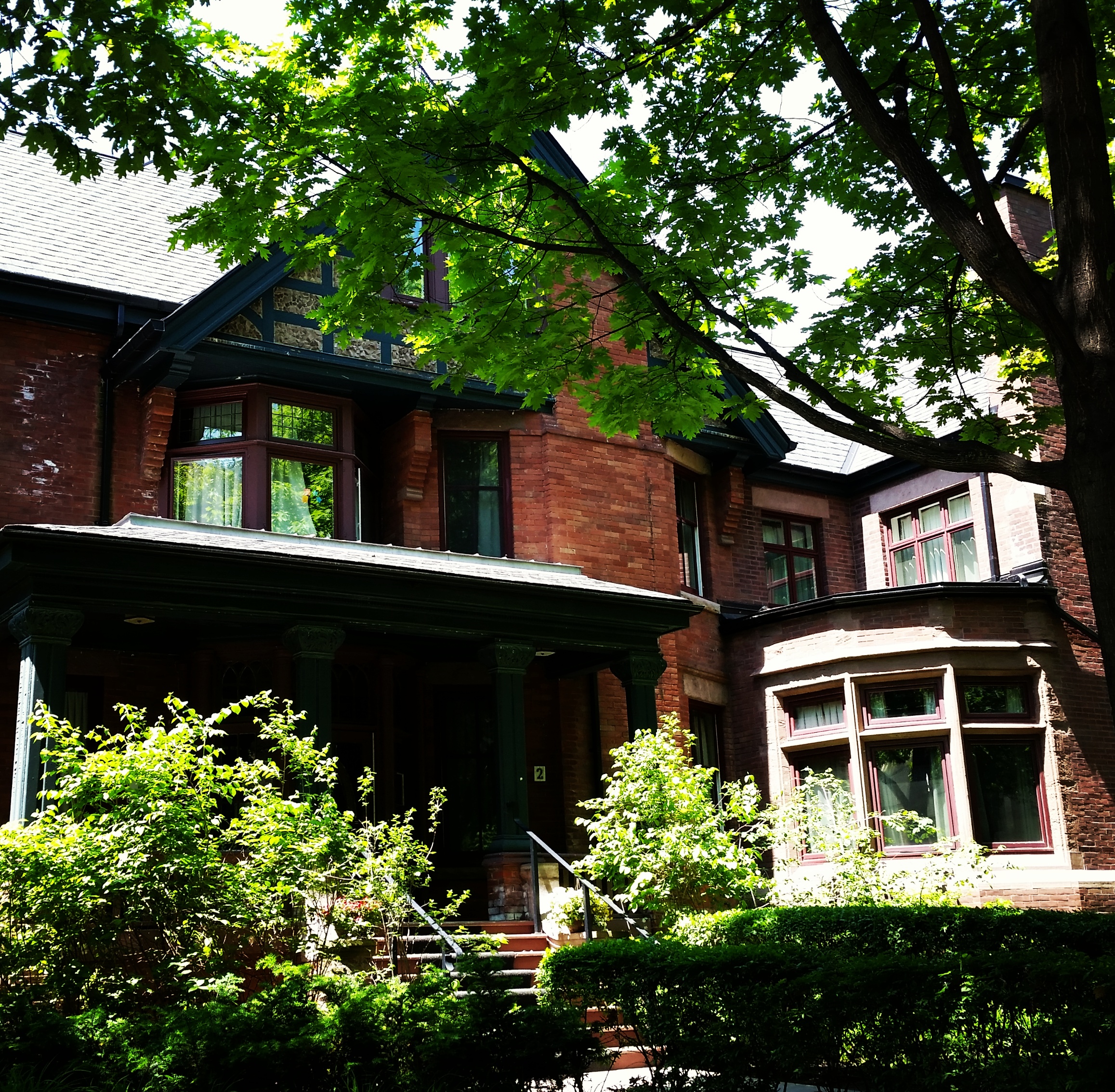
University of Toronto, St. Michael’s College, Elmsley Lane

University of Toronto, St. Michael’s College
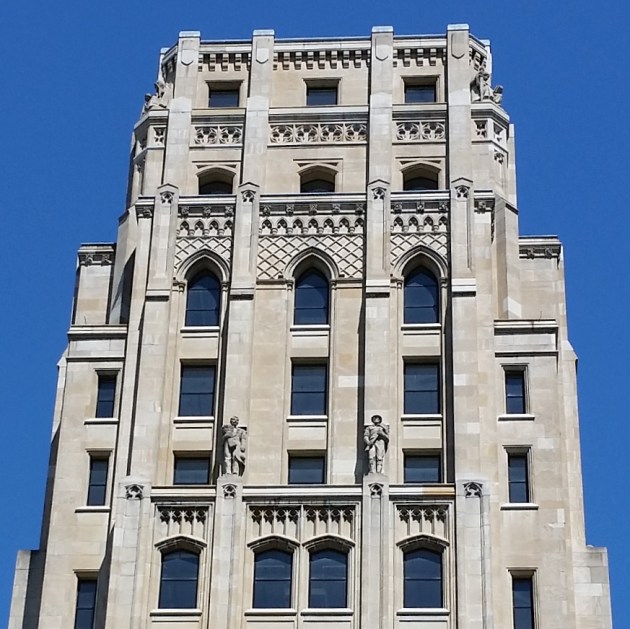
Whitney Block, Government of Ontario Building
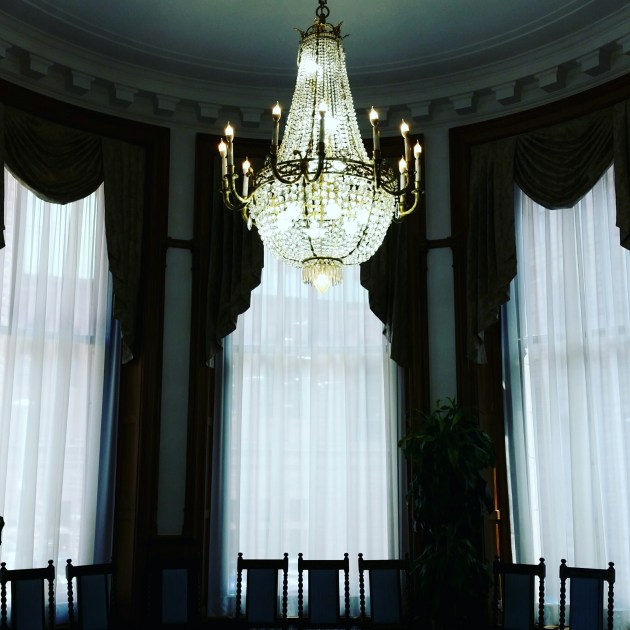
Lieutenant Governor’s Suite
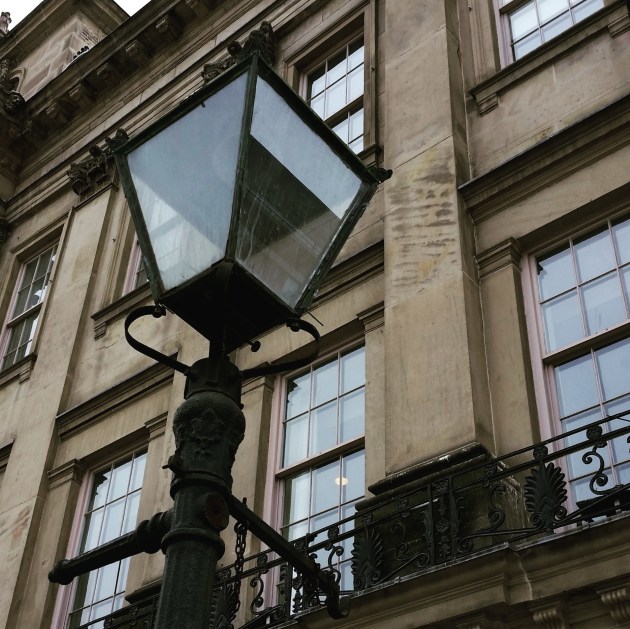
King Street East
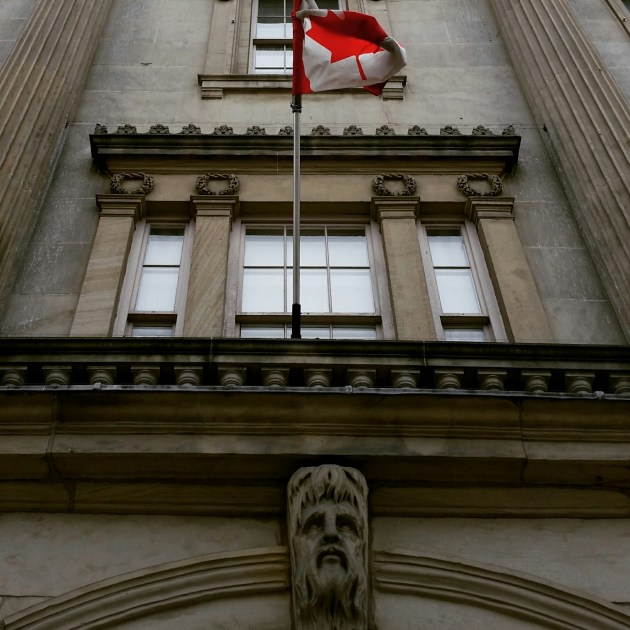
King Street East
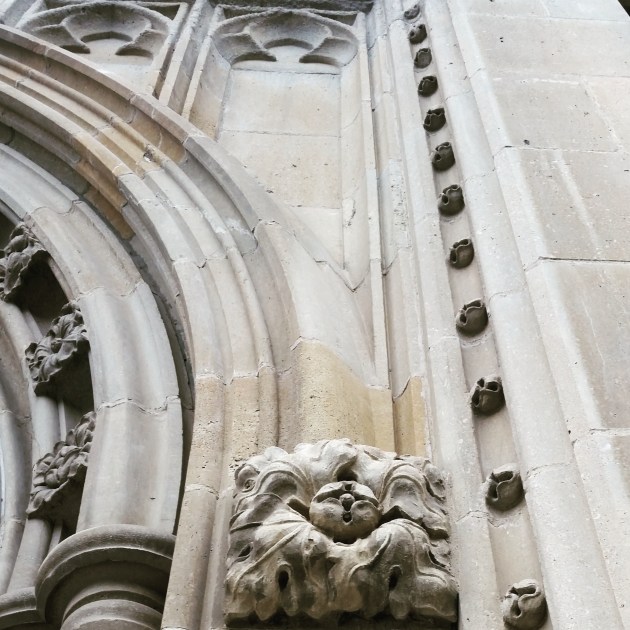
Whitney Block, Government of Ontario Building
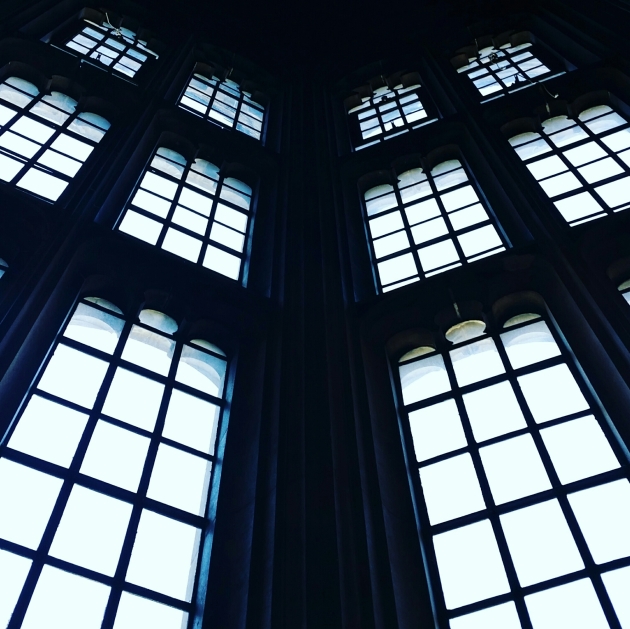
Hart House, University of Toronto
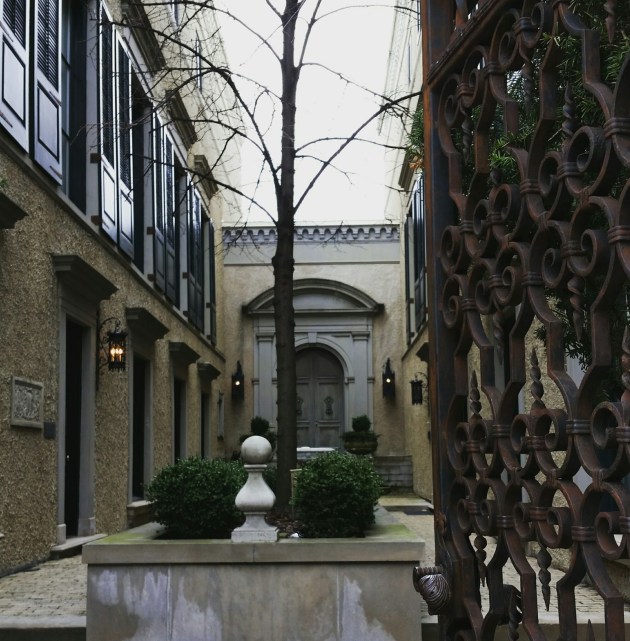
“Provence in Toronto” as I call it (Yonge Street near Rosedale Subway Station)
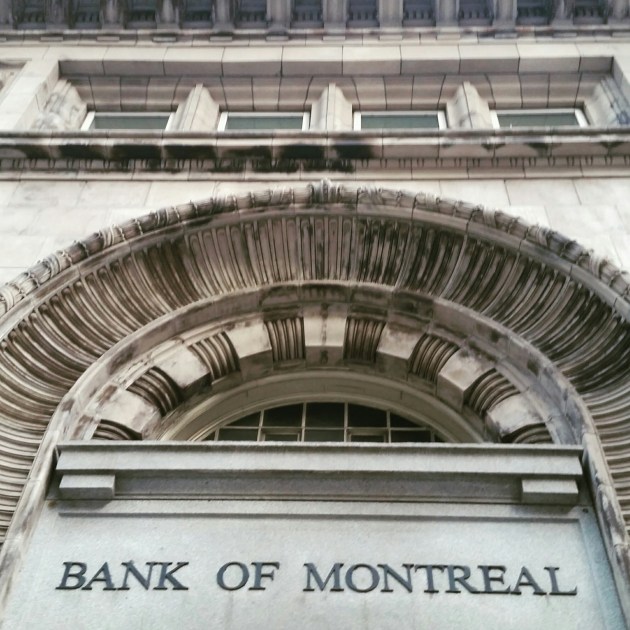
Bank of Montreal Building

Toronto Harbour, as seen from the Centre Island Ferry

Riverdale Farm

Trinity College, University of Toronto

St. Michael’s College, University of Toronto
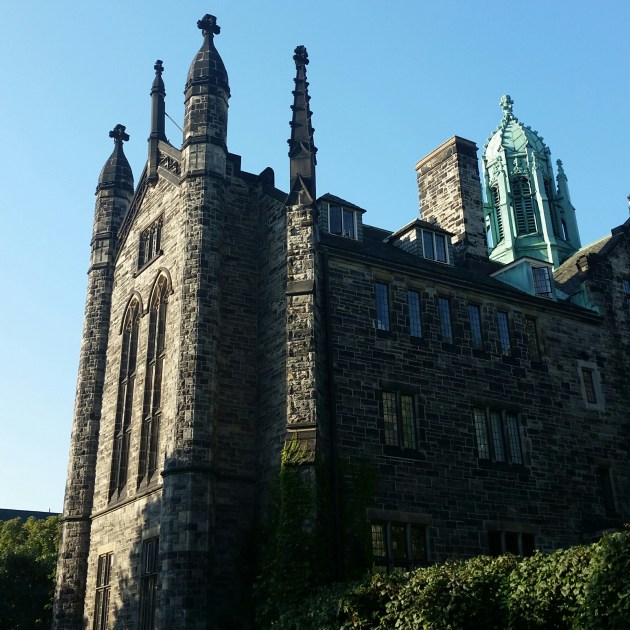
Trinity College, University of Toronto

Trinity College, University of Toronto
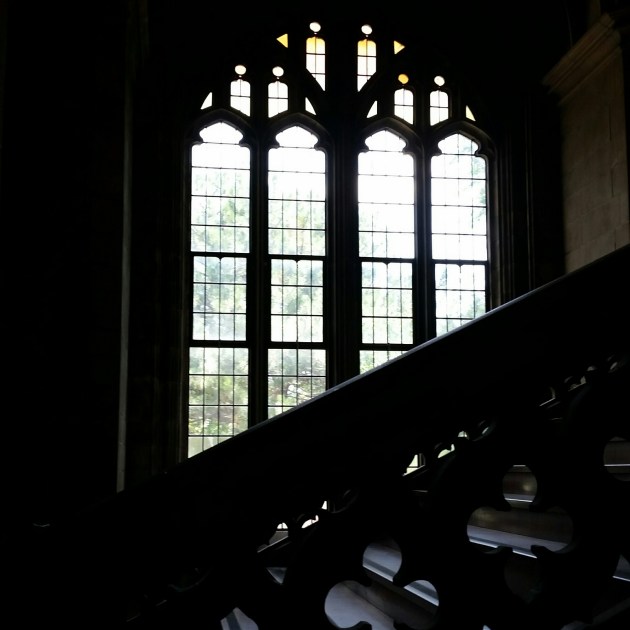
Trinity College, University of Toronto
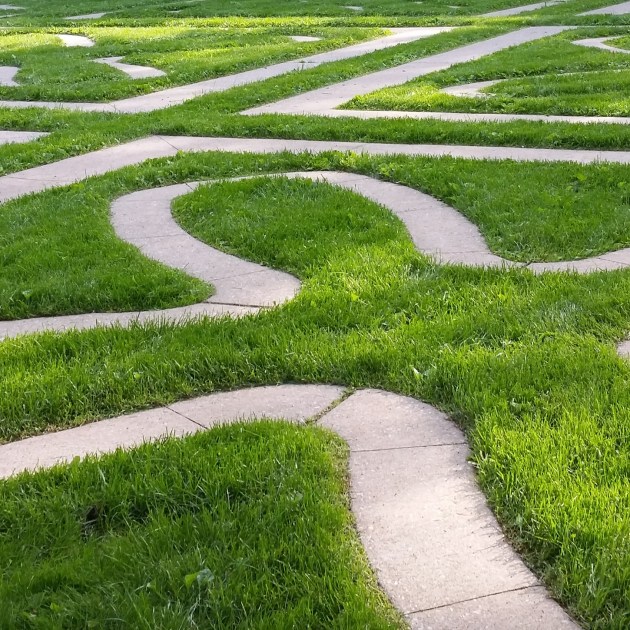
Trinity College Courtyard, University of Toronto
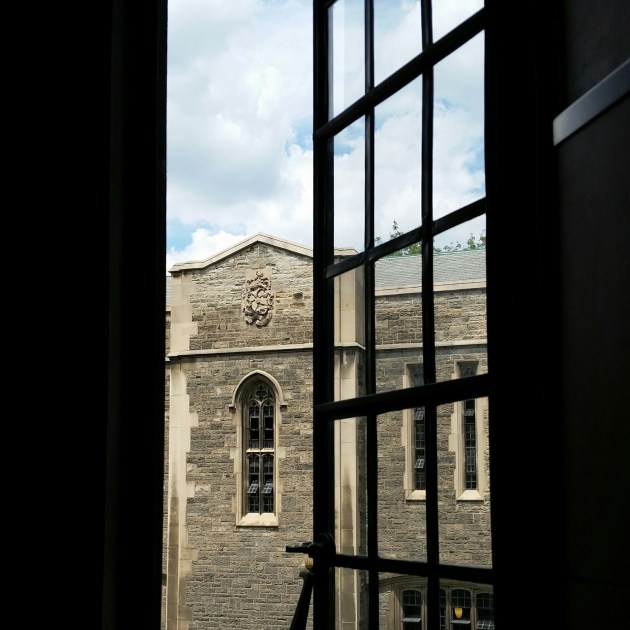
Hart House, University of Toronto
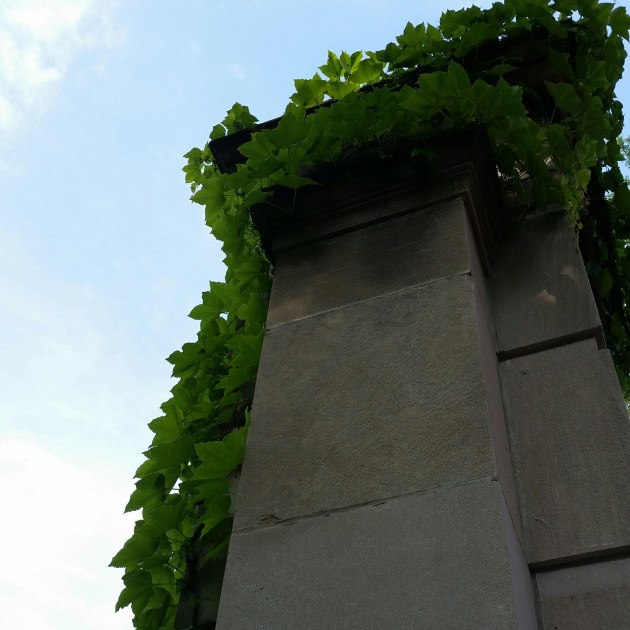
Bennett Gates to Philosopher’s Walk, University of Toronto
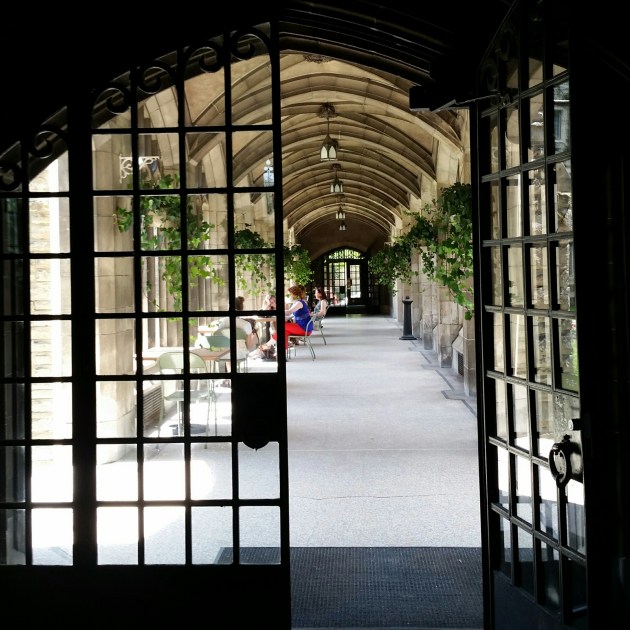
Cloisters, University of Toronto
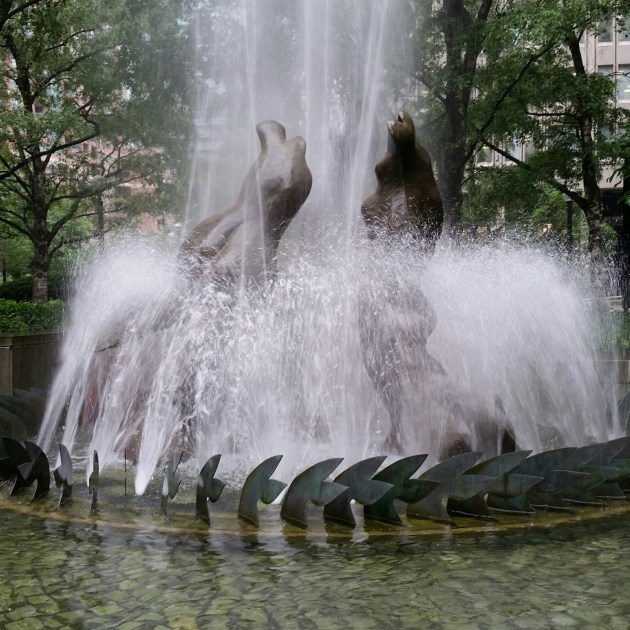
“The Three Graces” by Gerald Gladstone, 1971 (in front of Macdonald Block and part of the Government of Ontario Art Collection)
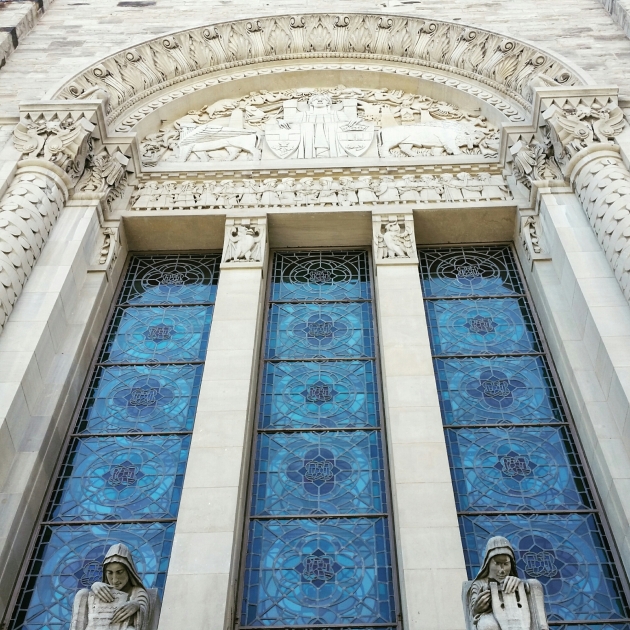
Royal Ontario Museum

King Edward VII statue in Queen’s Park

Ontario Legislative Building

Toronto Old City Hall

Ontario Heritage Centre, Adelaide Street

Rosewater Room facade

Fairmont Royal York Hotel
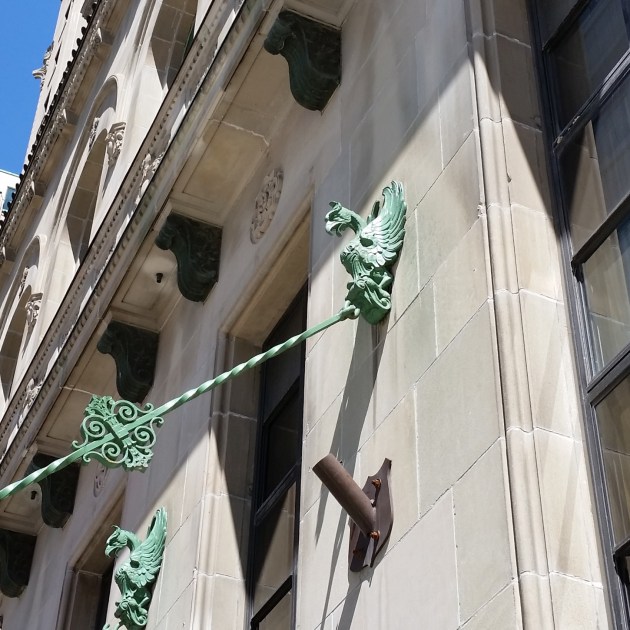
Fairmont Royal York Hotel

King Street East

University College, University of Toronto
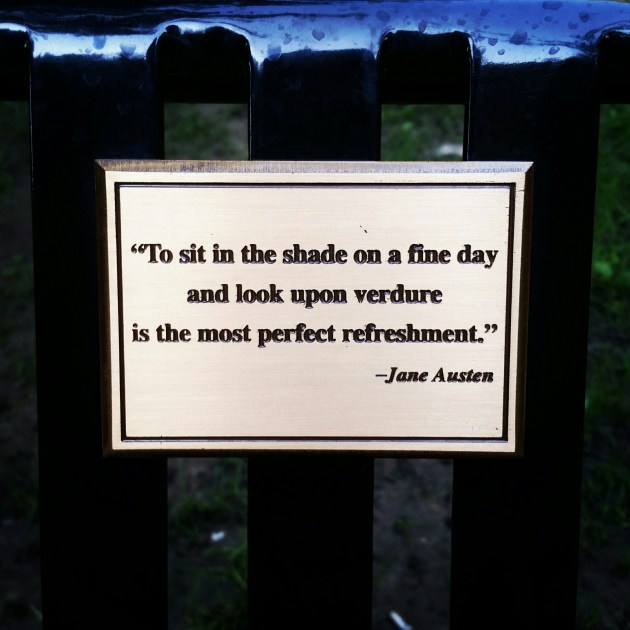
Philosopher’s Walk, University of Toronto
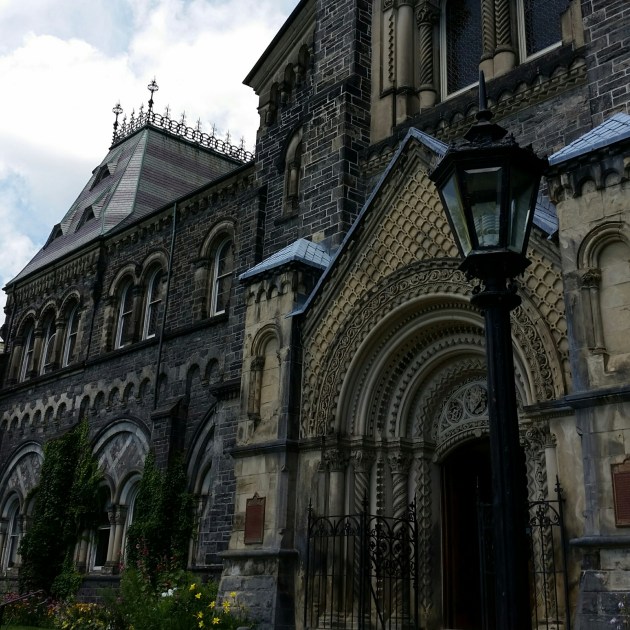
University College, University of Toronto
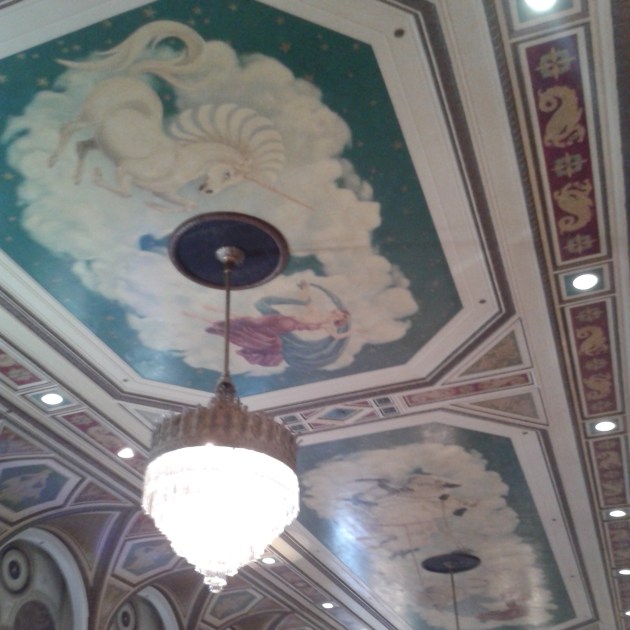
Ballroom ceiling, Fairmont Royal York Hotel
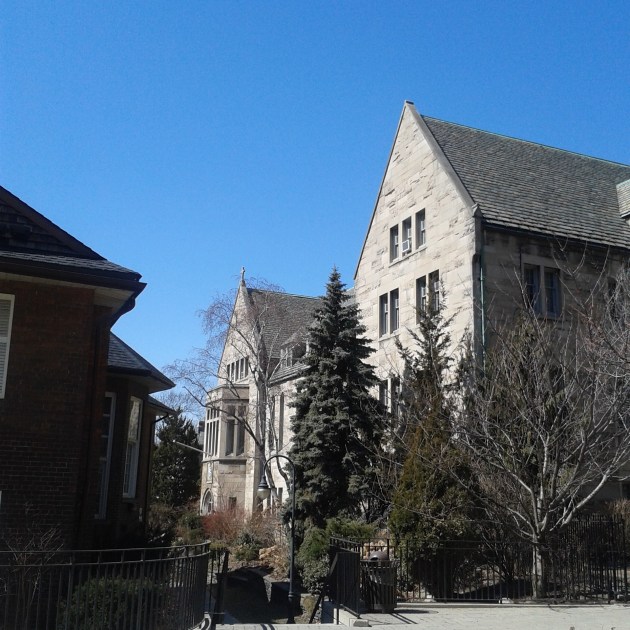
St. Michael’s College, University of Toronto
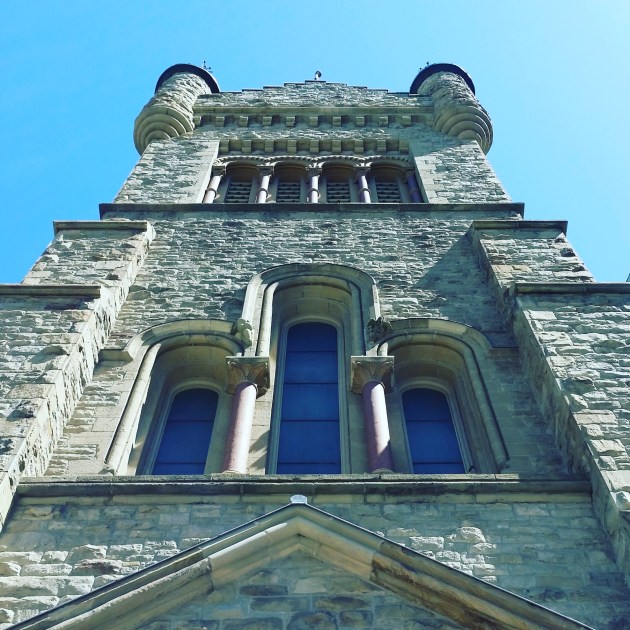
St Andrew’s Presbyterian Church

St Andrew’s Presbyterian Church

St Andrew’s Presbyterian Church
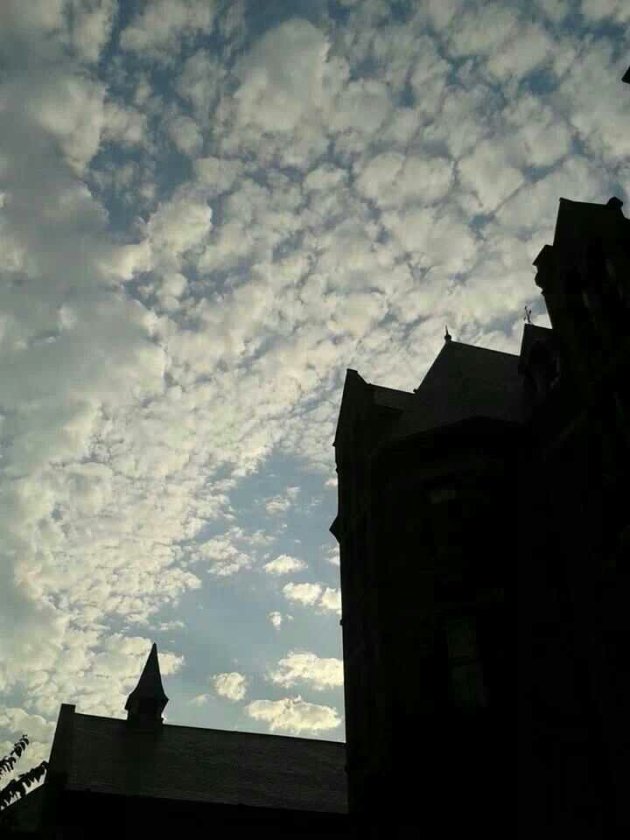
The Royal Conservatory of Music Castle in silhouette