You interrupted
our pages of din
lines between stations
your words between lines
We leapt to judgment;
our verdict tension
And yet there it was ~
your ballet of hands ~
as graceful as dawn.

You interrupted
our pages of din
lines between stations
your words between lines
We leapt to judgment;
our verdict tension
And yet there it was ~
your ballet of hands ~
as graceful as dawn.
The words of ancient poets danced and droned as they spun tales of delight and dread about gods and goddesses; fight, flight and plight. Legends were borne brilliantly through metaphors, dreamscapes and visions, illuminated by wit and wonder.
Language was precious then and remains precious now, but for different reasons. In this day of short attention spans and information overload, what place has poetry?
In our glut of words, we need to find a new efficiency; an essential epiphany. Those lines that stay with you – that provide the visceral, evocative, poignant and resonant meaning to create a lasting impression – are the essential epiphanies. This is how poetry can help us cut through the clutter in an art of language that creates understanding and connection.
Here, too, less is often more. It’s not about absence, but intensity; where themes and ideas are expressed through the eloquence of essential meaning. Here are a few reminders from 100, 200 and 450 years ago…
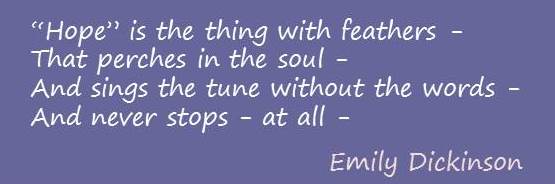
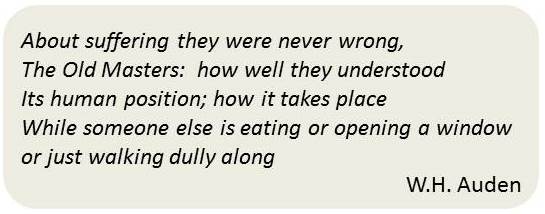


And one from me: Demarcation: A Riddle.

There was a time when people kept up appearances. Things could get a bit stuffy, even. Then along came the great soul-baring revolution of social media, which pretty much obliterated the idea that some things, perhaps, should remain off limits.
Fashion is no stranger to this tell-all aesthetic with its almost competitive sport of hemlines, second-skin cuts and see-through. The once half-smile relish in a certain je ne sais quoi has become a wide-eyed stare of incredulity.
But with the decline of mystery comes the decline of elegance and the unique narratives told through subtlety and charisma. The signature look is going the same way as the cursive signature itself and what a pity.
This is not a plea for Victorian necklines, but for a renaissance of the classy and the smart – a wardrobe that evokes intrigue and allure through tailoring, hints and suggestions, such as ballet-neck styling instead of fashion reminiscent of other kinds of dance. Remember Audrey Hepburn? Grace Kelly? Right.
1. Mini-skirts always seem to be on the menu, but here’s the test: upon sitting, if the fabric of the skirt doesn’t cover your knickers, it is too short. Pencil skirts and A-line midis, on the other hand, are always chic, whether the hemline hits just above the knee or just below.
2. The sheer layer is meant to be worn over another layer, such as a tank or camisole. This trend comes and goes but common sense should not.
3. Tunic shirts are shirts, not dresses, and require some kind of leggings or trousers. Please don’t skip your trousers. Similarly, leggings are meant to be worn under something.
4. Oh, those pesky lines! What you wear underneath should be your own business, regardless of posh brand.
5. What will it take to stop the madness of super-skinny jeans? Slim-fit jeans are one thing, but can we please bid adieu to those that leave seam indentations all the way up your legs and incite other unintentional and unflattering results?
6. Super-short cut-off jeans or shorts? Unseemly, even with tights underneath, and the cause of much personal injury to the hapless souls following up the stairs. A minimum three-inch inseam should be maintained at all times. (Preferably five.)
7. Zippers should serve a functional purpose and for most pieces, be hidden or downplayed (i.e. blend in with the fabric). The look-at-the-giant-zipper-running-down-my-back thing is distracting (not in a good way).
8. Neon should be for signs or for your aquarium, not your wardrobe.
9. There are high heels and there are running shoes; never the twain should meet in a bizarre hybrid.
10. Pyjamas in public? Is it such an ordeal to put on actual clothes?
There are so many phenomenal fashion designers in the world and beautiful, flattering, and yes, elegant pieces to be found at every price point. It takes a bit of effort, but so does getting to know someone. Imagination is so underrated.

During a recent morning commute, I overheard a conversation between what appeared to be two former colleagues. I wasn’t eavesdropping per se, but as their chatter effectively disrupted my usual quiet contemplation of the day past and the day ahead, I lent them an ear. After the usual exchange of pleasantries, they provided some excellent reminders about what’s important for organizations undergoing significant change.
1. Within every larger workplace culture, there are many smaller workplace cultures.
If you want to influence individual groups within the whole, you need to do your homework and find out what matters to each group specifically and help them to understand how their role fits into the bigger picture. Nuances matter (i.e. don’t assume the accounting department is happy with that new electronic-only filing system unless you ask them).
2. Communicate often, both formally and informally.
They discussed a large, all-staff meeting where the delivery of information from certain speakers was far more memorable than what was actually said. How people felt about what was said stuck; not the messages themselves. Integrity and inspiration are essential to formal presentations like these, and in this case, the obvious sales pitch fell flat. If it’s not authentic, it won’t resonate.
Amplifying the message through informal dialogue is also important. People need to know that their ideas are heard and become part of the plan. It bolsters a sense of belonging and ensures that people have a say in determining their own destiny. This leads to engagement and investment in the change, and can turn naysayers to advocates.
3. Don’t underestimate the “contagion effect” of interdependent working groups.
The issues of one team affect others with close, interdependent working relationships even if the impacts are not experienced first-hand. Address emerging issues as they arise and similarly, share the success when milestones are achieved.
4. Expect people to talk publicly about what transpires, whether you want them to or not.
It’s human nature to celebrate and also to gripe. Give them more reasons for the former than the latter so that when the discussions occur in coffee shop lines, at baseball games or on subway trains, a positive narrative is left with bystanders instead of a cautionary tale.

Red Admiral butterfly with a few tales to tell.







You are the master of wit,
storyteller’s storyteller
A rare book of rare words,
impish grin and wily tricks,
quiet lines and lasting looks
But wow, you pissed me off
Then, before I understood;
earned a few greys myself
Devil’s advocate of debate,
you challenge us to think,
to learn and do; create ourselves
to know when joy is enough
And still you imbue wisdom
but now we can as well
we, your protégés, bickering back
egging you on for more.

*For Bill G. and all who knew him.



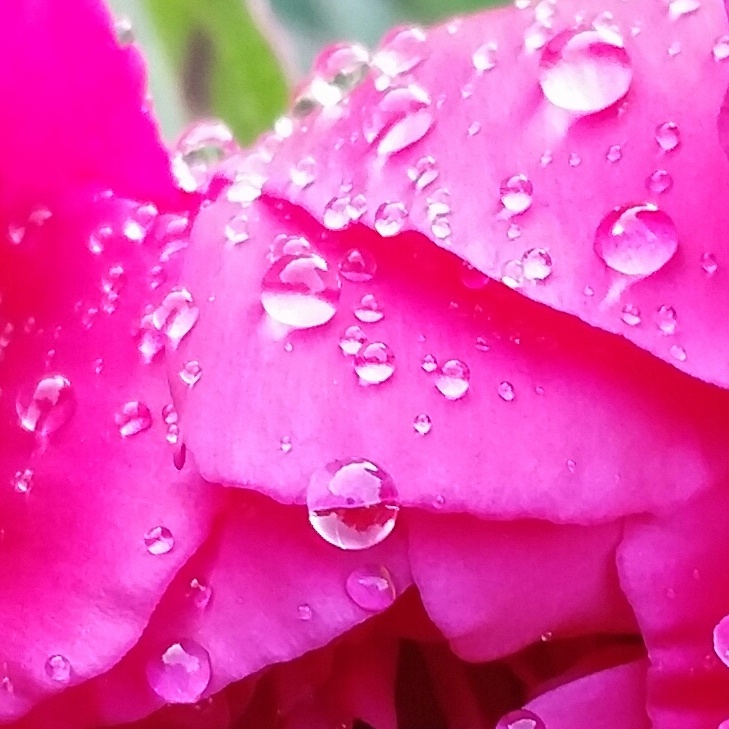
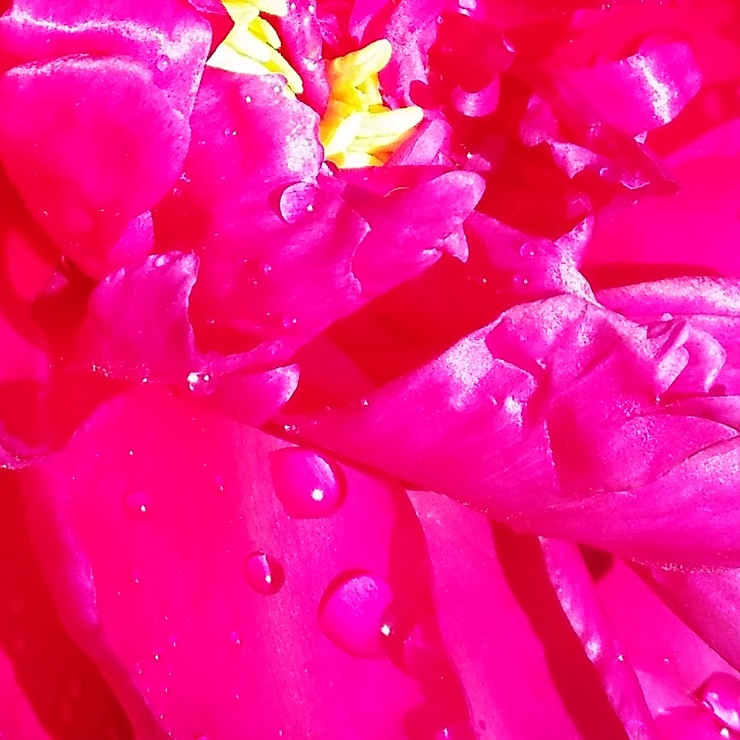





Always wonderful to spend a few moments taking a closer look at the architectural details of the Royal Ontario Museum.











I have great respect for Mother Nature, but I’m not sure that it’s mutual. Opining about my weather nemesis is a favourite pastime. I sometimes tempt fate by mocking her whims, always lured back into a precarious tango where I think I can outwit her. Given her many life lessons to date, I really should know better.
First of all, there is not always method to her madness. It can be raining in the backyard, but sunny in the front; and if you take your umbrella, it won’t rain but if you leave it at home, it will. Thunderstorms have always been her preferred teaching tool with me, especially for lessons of the look-but-don’t-touch variety.
On the small, suburban street where I grew up, nearly every house has had some kind of damage from thunderstorms. Lightning strikes obliterated chimneys, cracked windows, blackened walls, fused dimmer switches, blew electrical outlets, and toasted a truck load of television sets. I observed the frayed nerves of the adults around me and learned to heed the watches and warnings, but sometimes the hubris of the young results in a little defiance.
In third grade, a late spring storm threatened just as the school day ended. My friend and I were determined to beat it home on our bicycles. We’d just unlocked them when an incredible array of lightning erupted. Tearing back inside, we told people we’d seen a fireball in the sky. They thought we were exaggerating until they examined the melted plastic casing on the chain of my friend’s bike lock. It had been around her neck at the time.
A year or two later on an overnight excursion from the main camp, my fellow campers and I held tightly to our sleeping bags as a relentless storm raged all around our droopy canvas tent. And then it hit, shaking the ground and evoking screams from every last one of us. A park ranger evacuated our group to the control station and we shivered together until the camp bus arrived. The next day was spent claiming our waterlogged belongings, sock by sock and shoe by shoe. Legend has it that lightning struck ground within a stone’s throw of the tent.
As a teenager, I played a fair bit of soccer. One weekend tournament was plagued by an unstable air mass with high winds. Just before a game, an eerie calm settled in but distant thunder could be heard. As the referee contemplated what to do, we all started pointing and laughing at each other as our hair stood on end. The game was called and we made it to shelter just in time. We had no idea how close we were to a sudden-death result.
In my 20s, a friend and I experienced a bizarre meteorological phenomenon while vacationing at a cottage. Just as a thunderstorm began, a softball-sized fiery orb appeared a few feet outside the sliding glass doors and then exploded. We hit the deck with ears ringing, shaken but unharmed. For those who doubt the existence of ball lightning, I can assure you that it’s real.
And then last summer, during one of those “special weather statement” kind of days, I glanced out the window to check on the band of storms sweeping through the area. The whole western sky was filled with astonishing cloud formations, lit from the outside in by the emerging sunset behind the dissipating front. Captivated, I went outside for a better look. After several minutes of staring in awe at the dramatic beauty, I noticed my next-door neighbour doing the same thing.
“You don’t see that every day,” he said.
I nodded, smiling.

 labuhrows.com